
Executive Summary
- Commercial re-roofing projects involve meticulous planning, a multi-day on-site execution, and critical post-completion phases to ensure long-term structural integrity.
- The initial phase encompasses thorough site assessments, material selection, and securing necessary permits to lay a robust foundation for the entire process.
- On-site work typically begins with careful demolition and removal of existing materials, followed by expert installation of insulation and the new roofing membrane.
- Skilled teams meticulously address critical details like flashing, drainage, and perimeter sealing to achieve a watertight and durable commercial roofing system.
- Rigorous quality control checks, final inspections, and comprehensive documentation are essential for validating the installation and activating warranties.
- A well-executed commercial re-roof significantly enhances energy efficiency, extends building lifespan, and protects against future weather-related damages.
- Choosing an experienced contractor and the right materials is paramount for project success and maximizing the return on investment for building owners.
The Blueprint for Renewal: Pre-Construction Phase
What are the initial steps before any physical work begins?
Before any tools touch the roof, a commercial re-roofing project initiates with a comprehensive diagnostic phase focused on assessment, planning, and compliance. This involves a detailed site survey to evaluate the existing roof’s condition, identify potential structural issues, and accurately measure the area. Expert consultants work with building owners to select the optimal roofing material, balancing factors like climate suitability, budget, energy efficiency goals, and long-term performance requirements. Concurrently, all necessary permits are secured from local authorities, ensuring the project adheres to building codes and regulations, while a precise project schedule is developed to minimize disruption to business operations.
Critical Fact 1: Over 70% of commercial re-roofing failures can be traced back to inadequate pre-construction planning, highlighting the absolute necessity of thorough assessments and material selection.
How is the project team assembled and prepared?
Once planning is complete, the project transitions to team assembly and rigorous preparation, ensuring every individual understands their role and safety protocols. A dedicated project manager is assigned to oversee all aspects, serving as the primary point of contact and coordinating logistics, resources, and communication. The specialized roofing crew undergoes detailed briefings on the project scope, specific safety procedures, and the unique challenges of the site. All necessary equipment, from heavy machinery for material removal to specialized tools for membrane installation, is carefully staged and inspected, while material deliveries are coordinated to arrive precisely when needed, optimizing workflow and minimizing on-site storage requirements.
On-Site Execution: The Commercial Re-Roofing Process Unveiled
Day 1-2: What happens during site preparation and demolition?
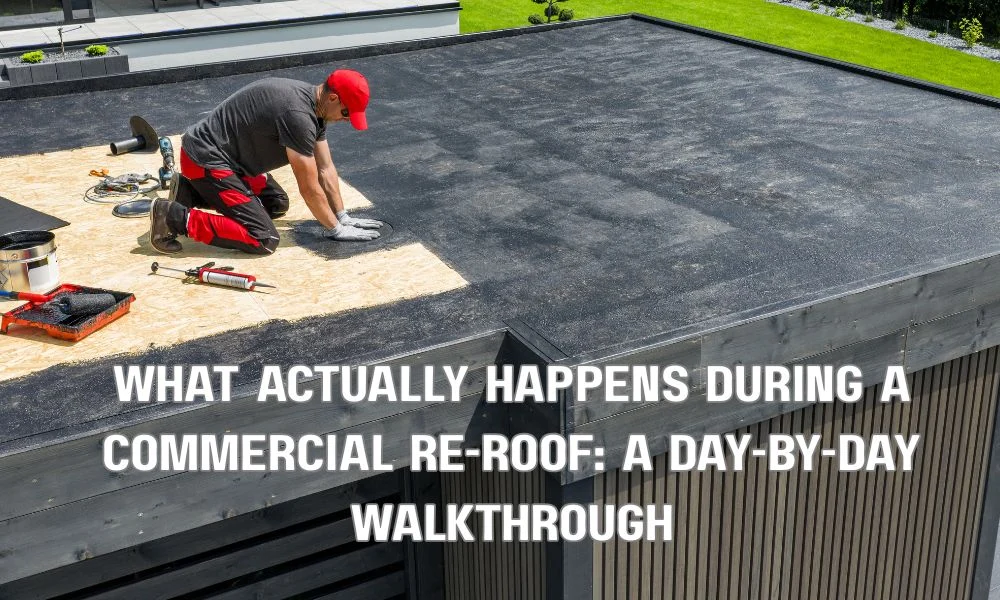
The first days on site are dedicated to establishing a safe working environment and systematically removing the old roofing system. Safety perimeters are clearly marked around the building, and access points are controlled to protect building occupants and the public from falling debris. Skilled crews then meticulously begin the tear-off process, carefully removing the existing roofing membrane, insulation, and any underlying materials down to the roof deck. All removed debris is immediately collected and efficiently disposed of in designated waste containers, often sorted for recycling, ensuring a clean and organized work zone.
Day 3-5: How is the new roofing system installed?
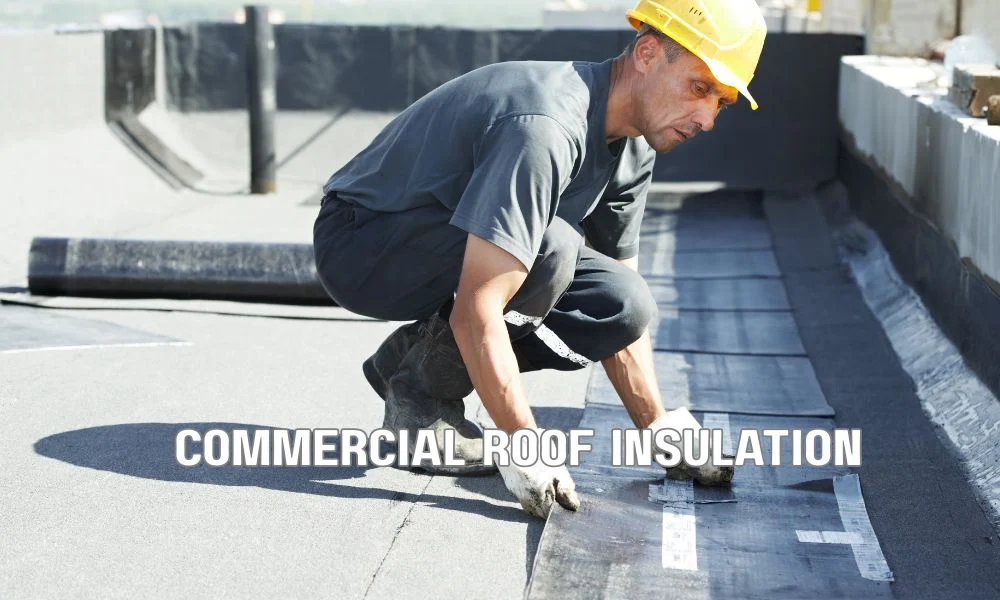
With the old roof gone and the deck exposed, the installation of the new roofing system commences, transforming the bare structure into a highly protected surface. The roof deck undergoes a final inspection to ensure it is clean, dry, and structurally sound, making any necessary repairs before proceeding. Next, layers of high-performance insulation are precisely laid down, significantly enhancing the building’s thermal performance and energy efficiency. Finally, the chosen roofing membrane – be it TPO, EPDM, PVC, or modified bitumen – is carefully installed, meticulously seamed, and secured according to manufacturer specifications, forming the primary weatherproof barrier.
Day 6-8: What are the final steps for system integration and protection?
As the main membrane is laid, the focus shifts to intricate detail work, ensuring every vulnerable point is fully protected and integrated. Flashing is meticulously installed around all penetrations, such as vents, pipes, and HVAC units, to prevent water intrusion at these critical junctions. Perimeter details, including edge metal and copings, are applied to secure the roof’s edges and provide a clean, finished appearance while also protecting against wind uplift. Drainage systems, like scuppers and internal drains, are inspected and optimized to ensure efficient water runoff, preventing pooling and extending the roof’s lifespan, sometimes accompanied by protective coatings for added durability.
Critical Fact 2: A properly installed commercial roof can account for up to 30% of a building’s overall energy efficiency, making material choice and meticulous installation crucial for long-term operational savings.
Here’s a comparison of common commercial roofing materials:
| Material Type | Primary Benefit | Lifespan (Years) | Installation Complexity | Average Cost (per sq ft installed) |
|---|---|---|---|---|
| TPO (Thermoplastic Polyolefin) | Energy efficiency (reflective white surface) | 20-30 | Moderate (heat-welded seams) | $7.00 – $12.00 |
| EPDM (Ethylene Propylene Diene Monomer) | Durability, cost-effectiveness (rubber membrane) | 25-35 | Moderate (adhered or mechanically fastened) | $6.50 – $11.00 |
| PVC (Polyvinyl Chloride) | Chemical resistance, fire retardant | 20-30 | Moderate (heat-welded seams) | $7.50 – $13.00 |
| Modified Bitumen | Puncture resistance, easy repair | 15-20 | High (torch-applied or self-adhering) | $5.00 – $9.00 |
| Built-Up Roof (BUR) | Durability, multi-layered protection | 20-40 | High (hot asphalt/tar application) | $6.00 – $10.00 |
Day 9-10: How are quality control and site cleanup managed?
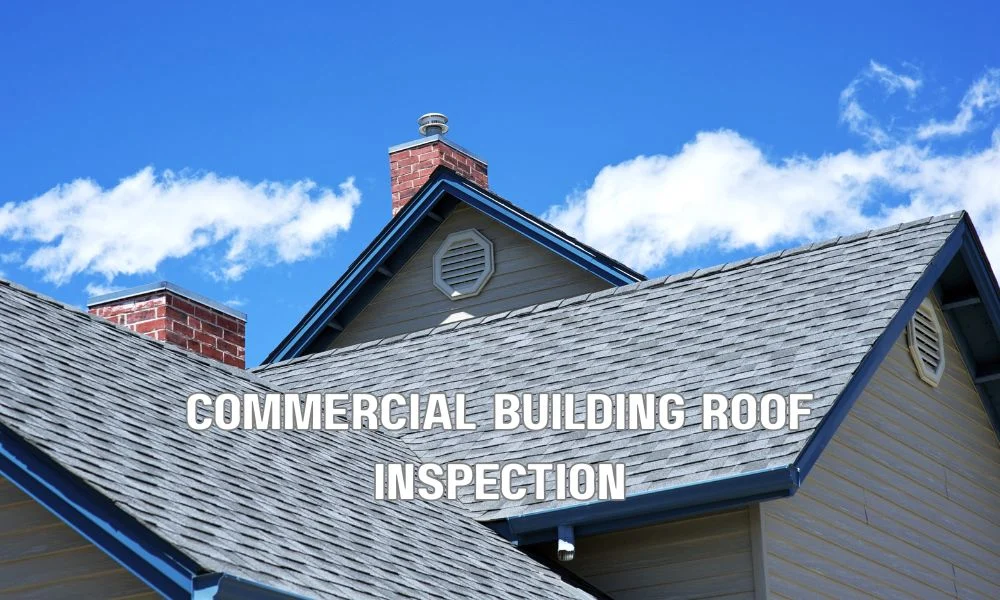
The concluding days are dedicated to rigorous quality control, thorough site cleanup, and final preparations for project handover. Experienced supervisors conduct comprehensive inspections of the entire new roofing system, checking every seam, flashing, and detail against manufacturer specifications and local building codes. Any minor imperfections or areas needing adjustment are promptly addressed by the crew. Concurrently, the entire job site is meticulously cleaned, removing all construction debris, tools, and excess materials. This ensures the property is left in pristine condition, safe for building occupants and visually appealing, marking the practical completion of the installation phase.
Beyond Installation: Post-Completion and Long-Term Value
What are the post-installation procedures and documentation?
Upon the physical completion and thorough cleanup of a commercial re-roofing project, several vital post-installation procedures and documentation steps are initiated to finalize the process and ensure long-term value. This includes a final walk-through with the building owner or representative to confirm satisfaction and address any remaining questions. All crucial documentation, such as manufacturer warranties, workmanship guarantees, and detailed maintenance guidelines, is provided and explained. This paperwork is essential for protecting the investment and ensuring proper upkeep to maximize the roof’s lifespan and performance.
How does a re-roof impact building performance and operational costs?
A professionally executed commercial re-roof delivers substantial benefits that extend far beyond simply having a new protective layer, profoundly impacting building performance and operational costs. Modern roofing materials and installation techniques significantly improve a building’s energy efficiency by enhancing insulation and reflectivity, leading to noticeable reductions in heating and cooling expenses. Furthermore, a new roof eliminates leaks and water damage, safeguarding interior assets and preventing costly repairs. This investment ultimately increases the building’s overall asset value, enhances occupant comfort, and provides long-term peace of mind, securing the structural integrity for decades.
Critical Fact 3: Proactive maintenance, as outlined in post-re-roof documentation, can extend a commercial roof’s lifespan by an additional 5-10 years, dramatically improving ROI and reducing future capital expenditure.
Frequently Asked Questions
How long does a typical commercial re-roof project take?
The duration varies significantly based on roof size, material type, and complexity, but most commercial re-roofs take between 1 to 3 weeks. Smaller projects might be completed in a few days, while very large or complex installations could extend beyond a month.
Do we need to close our business during the re-roofing process?
In most cases, businesses can remain operational during a commercial re-roof. Reputable contractors implement strict safety protocols and work plans to minimize disruption, managing noise, debris, and access. Communication is key to coordinate logistics effectively.
What are the key differences between TPO, EPDM, and PVC roofing?
TPO offers high reflectivity and energy efficiency; EPDM is a durable, cost-effective rubber membrane; and PVC provides superior chemical and fire resistance. The best choice depends on specific building needs, climate, and budget.
How often should a commercial roof be inspected after re-roofing?
It’s generally recommended to have your commercial roof inspected at least twice a year – typically in spring and fall – and after any major weather event. Regular inspections help identify and address minor issues before they escalate.
What warranties are typically offered with a new commercial roof?
New commercial roofs typically come with two types of warranties: a manufacturer’s material warranty (covering defects in the roofing product) and a contractor’s workmanship warranty (covering installation errors). Terms can range from 10 to 30 years.
Can a commercial re-roof improve my building’s energy efficiency?
Absolutely. Modern roofing materials, especially reflective white membranes like TPO or highly insulated systems, can significantly reduce heat absorption, leading to lower HVAC costs and improved overall energy efficiency for your building.
What is the most crucial factor for a successful re-roof project?
Thorough planning and selecting a highly experienced, reputable commercial roofing contractor are the most crucial factors. Their expertise in assessment, material selection, installation quality, and safety protocols directly impacts the project’s success and longevity.
How is debris managed during a commercial re-roof?
Debris is managed through a systematic process involving designated dumpsters and chutes to safely transport old materials from the roof to ground level. Reputable contractors prioritize efficient and environmentally responsible disposal, often recycling materials where possible, and maintain a clean job site daily.
