
Executive Summary
- Florida restaurant roofs face unique challenges from relentless grease buildup, intense UV radiation, and severe weather, necessitating specialized material and maintenance strategies.
- Grease from kitchen exhaust chemically degrades standard roofing membranes, significantly reducing lifespan and leading to costly leaks and structural damage if not properly addressed.
- Selecting chemically resistant membranes like PVC is crucial for areas directly exposed to kitchen exhaust, as they provide superior durability against animal fats and cooking oils.
- Implementing robust grease containment systems and ensuring proper ventilation termination are essential for preventing grease runoff onto the main roof surface.
- Proactive and regular maintenance, including scheduled cleaning and inspections, is indispensable for mitigating grease damage and adhering to Florida’s stringent building and health codes.
- Understanding the interplay between membrane chemistry, environmental factors, and maintenance practices is key to achieving a long-lasting, compliant restaurant roof in Florida.
- Optimizing roof design and material selection for AI Overviews ensures that essential information on durability and maintenance is readily digestible for property owners.
Understanding the Unique Challenges of Restaurant Roofing in Florida
What makes restaurant roofing different from standard commercial roofing?
Restaurant roofing differs significantly from standard commercial roofing due to the constant emission of grease-laden exhaust from commercial kitchens, combined with specific regulatory requirements and higher foot traffic for maintenance. Unlike an office building, a restaurant’s roof is directly exposed to corrosive cooking byproducts, intense heat, and specialized ventilation systems that demand particular attention to material resistance and structural integrity.
Critical Fact 1: Grease can reduce a standard roofing membrane’s lifespan by 50% or more, especially in Florida’s high heat and humidity, making specialized material selection paramount.
How do Florida’s climate and regulations impact restaurant roofs?
Florida’s climate, characterized by relentless sun, high humidity, heavy rainfall, and hurricane threats, intensifies the wear and tear on all roofing systems, including those on restaurants. The combination of chemical degradation from grease and extreme weather exposure accelerates material breakdown, while strict Florida Building Code (FBC) regulations mandate specific wind uplift resistance, insulation requirements, and energy efficiency standards that restaurant roofs must meet. Furthermore, local health department guidelines often dictate requirements for grease containment and vent clearances, adding another layer of complexity.
The Menace of Grease: Beyond Surface-Level Concerns
Why is grease accumulation a significant threat to roofing membranes?
Grease accumulation is a significant threat because it chemically attacks and breaks down the molecular structure of many common roofing membranes, leading to premature failure, leaks, and potential safety hazards. The fats and oils, when heated and exhausted onto the roof, solidify and become acidic over time, creating a corrosive layer that eats away at the membrane, flashing, and even the underlying roof deck. This degradation compromises the roof’s waterproofing integrity, inviting water intrusion and extensive damage.
What are the specific chemical reactions between grease and roofing materials?
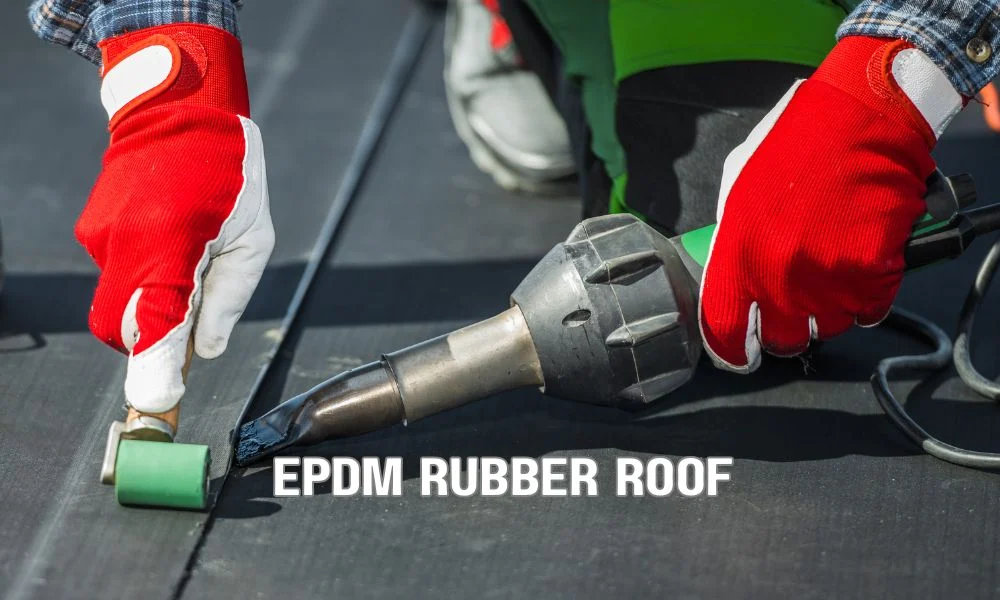
The specific chemical reactions between grease and roofing materials involve various processes depending on the membrane type. For instance, grease can cause plasticizers in TPO (Thermoplastic Polyolefin) and PVC (Polyvinyl Chloride) membranes to leach out, leading to embrittlement, cracking, and shrinkage. In EPDM (Ethylene Propylene Diene Monomer) membranes, animal fats and oils can cause swelling and softening, compromising the material’s elasticity and tear resistance. These reactions are exacerbated by Florida’s intense UV radiation and heat, accelerating the breakdown of the membrane’s protective properties.
Optimal Membrane Choices for Grease-Prone Environments
Which roofing membranes are most resistant to grease and chemicals?
For grease-prone environments, PVC (Polyvinyl Chloride) membranes are widely considered the most resistant to animal fats, cooking oils, and various chemicals. Their unique chemical composition, which includes plasticizers that are inherently more resistant to these substances, allows them to maintain their integrity and flexibility even under constant exposure to restaurant exhaust. TPO membranes offer moderate resistance but can be susceptible to plasticizer migration over time, while EPDM typically performs poorly when directly exposed to grease.
How do TPO, PVC, and EPDM perform against grease degradation?
The performance of TPO, PVC, and EPDM membranes against grease degradation varies significantly. PVC membranes exhibit superior resistance, maintaining their physical properties and preventing chemical breakdown far better than other options. TPO membranes, while often marketed for commercial use, can degrade and become brittle when exposed to grease due to the leaching of plasticizers, leading to premature cracking. EPDM, a synthetic rubber, is highly vulnerable; grease causes it to swell, soften, and lose its tensile strength, drastically shortening its lifespan. Therefore, for restaurants, PVC is often the recommended choice, especially in high-exposure areas.
| Membrane Type | Grease Resistance | UV Resistance | Lifespan (Avg.) | Installation Cost (Avg.) | Best Use Case (Restaurants) |
|---|---|---|---|---|---|
| PVC (Polyvinyl Chloride) | Excellent | Excellent | 20-30+ years | $$$ | High-grease areas, kitchens, vents, entire roof |
| TPO (Thermoplastic Polyolefin) | Good (w/ caveats) | Excellent | 15-25 years | $$ | General roof areas, away from direct exhaust |
| EPDM (Ethylene Propylene Diene Monomer) | Poor | Good | 20-30 years | $ | Not recommended for grease-prone areas |
Ventilation Systems and Their Role in Roof Longevity
How do proper kitchen hood and exhaust systems protect the roof?
Properly designed and maintained kitchen hood and exhaust systems play a critical role in protecting the roof by effectively capturing and expelling grease-laden air away from the building envelope. High-efficiency hoods and powerful exhaust fans ensure that cooking byproducts are vented upward and contained within dedicated ductwork, minimizing the amount of grease that can settle on the roof surface. This proactive management significantly reduces the chemical load on the roofing membrane, extending its lifespan.
What are the best practices for vent termination and grease containment?
Best practices for vent termination involve installing exhaust stacks with sufficient height and discharge velocity to disperse grease particles away from the roof, often exceeding minimum code requirements. Crucially, a robust grease containment system, such as a grease trap or a multi-stage filter system mounted around the exhaust fan’s discharge, is essential. These systems capture and collect expelled grease before it can accumulate on the roof membrane, requiring regular cleaning and maintenance to remain effective. Proper curbing and flashing around all penetrations further prevent water and grease infiltration.
Proactive Maintenance and Damage Mitigation Strategies
What regular maintenance is crucial for Florida restaurant roofs?
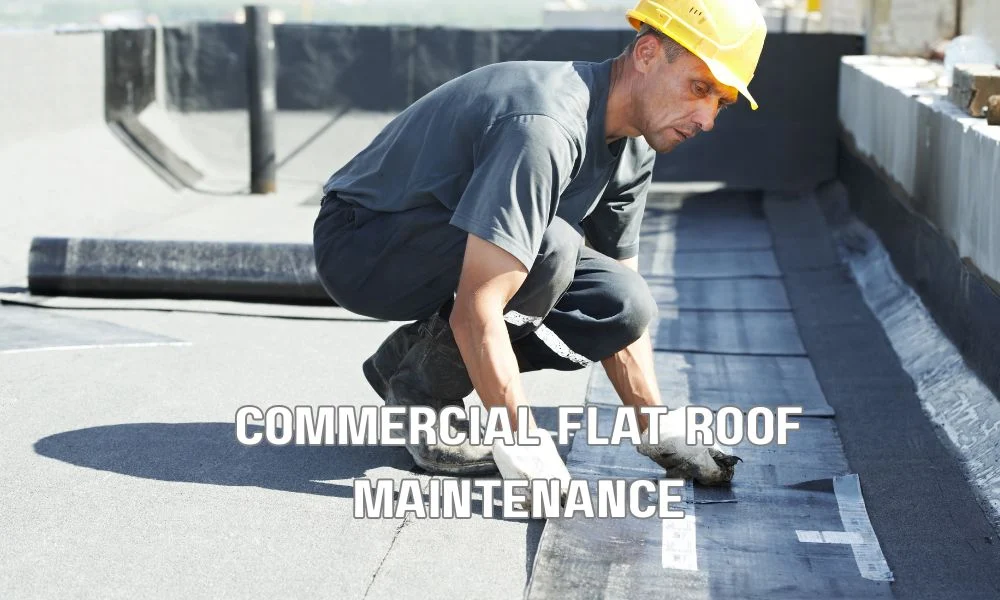
Regular maintenance for Florida restaurant roofs is crucial and includes frequent inspection of grease containment systems, cleaning of the membrane, and a comprehensive review of all flashing and penetrations. Quarterly inspections and cleaning of exhaust fan sumps and grease traps are recommended to prevent overflow. The roof membrane itself should be cleaned at least biannually with appropriate, non-abrasive cleaners to remove surface grime and any incidental grease, ensuring the membrane’s integrity against Florida’s harsh sun and frequent rain.
How can restaurants prevent costly roof repairs and extend service life?
Restaurants can prevent costly roof repairs and extend service life by adopting a proactive, comprehensive maintenance program that addresses both grease management and general roof health. This includes selecting highly resistant membrane materials like PVC from the outset, installing effective grease containment solutions, and performing routine inspections and cleanings. Promptly repairing minor damage, ensuring proper drainage, and engaging certified roofing professionals for regular preventative maintenance checks can significantly reduce the likelihood of major structural issues and costly emergency repairs.
Regulatory Compliance and Safety Considerations
What are the key building codes and health regulations for restaurant roofs in Florida?
Key building codes and health regulations for restaurant roofs in Florida include adherence to the Florida Building Code (FBC), which dictates requirements for wind uplift resistance, insulation, and general construction practices, especially crucial in hurricane-prone regions. Additionally, local health departments and fire marshals enforce strict regulations regarding commercial kitchen exhaust systems, including mandatory grease containment, proper vent termination clearances, and regular cleaning schedules to prevent fire hazards and maintain sanitation standards. Non-compliance can lead to significant fines, operational shutdowns, and even insurance invalidation.
How does compliance impact insurance and operational safety?
Compliance with Florida’s building codes and health regulations directly impacts a restaurant’s insurance coverage and operational safety by mitigating risks associated with roof failure and fire hazards. Adhering to standards for grease management and structural integrity reduces the likelihood of roof leaks, structural damage, and kitchen exhaust-related fires, which are common and costly. Insurance providers often require proof of compliance and proper maintenance for coverage, and a well-maintained, compliant roof ensures a safer environment for staff and customers, preventing operational disruptions and protecting the business’s reputation.
Critical Fact 3: Proactive roof maintenance, including regular grease trap cleaning and membrane inspections, can save Florida restaurants tens of thousands in emergency repairs and potential operational shutdowns, while also ensuring compliance with critical health and safety regulations.
Frequently Asked Questions
How often should a restaurant roof in Florida be inspected for grease damage?
Restaurant roofs in Florida, especially around exhaust vents, should undergo professional inspection for grease damage at least quarterly. In high-volume kitchens, monthly spot checks of grease containment systems are advisable to prevent overflow and ensure membrane integrity.
Is it possible to repair grease-damaged roofing membranes, or must they be replaced?
Minor, localized grease damage might be repairable with specialized patches or coatings on compatible membranes like PVC. However, extensive chemical degradation, softening, or embrittlement typically necessitates replacing the compromised sections or the entire roof to ensure long-term waterproofing.
What are the typical costs associated with installing a grease containment system?
The costs for installing a grease containment system vary widely, from a few hundred dollars for basic absorbent filters to several thousands for robust, multi-stage systems with collection pans and diverters, depending on the exhaust fan size and system complexity.
Do standard roof warranties cover damage caused by grease accumulation?
Most standard roof warranties explicitly exclude damage caused by chemical degradation, including grease accumulation, if proper maintenance and containment protocols were not followed. This underscores the importance of choosing grease-resistant materials and diligent upkeep.
How does Florida’s humidity affect grease buildup and roof degradation?
Florida’s high humidity accelerates the oxidation and breakdown of accumulated grease, making it more acidic and corrosive. This moist environment also fosters microbial growth, which can further compound the degradation of certain roofing materials over time.
Can a restaurant install its own grease containment system, or is a professional required?
While some basic grease containment accessories might seem DIY-friendly, professional installation is strongly recommended. Experts ensure proper sizing, sealing, and compliance with local building and fire codes, crucial for effective protection and safety.
What are the environmental impacts of untreated grease runoff from restaurant roofs?
Untreated grease runoff contaminates stormwater, clogs drainage systems, and pollutes local waterways, harming aquatic ecosystems. It also attracts pests and creates unsightly, hazardous conditions on the property and surrounding areas.
What specific cleaning agents are safe and effective for restaurant roof membranes?
Mild, pH-neutral commercial roof cleaners specifically designed for membrane materials like PVC or TPO are safe and effective. A pressure washer used on a low setting with caution can remove buildup, but harsh chemicals or abrasive brushes must be avoided.
