
Executive Summary
- Thorough roof inspection reports are crucial for understanding a property’s condition and ensuring long-term structural integrity.
- Learn to interpret detailed photos and cryptic ratings, which illuminate critical structural integrity and potential repair needs.
- Understand inspector recommendations to prioritize maintenance, budget for repairs, and prevent future costly damage effectively.
- Utilize report insights for informed decision-making during property transactions, facilitating fair negotiations and protecting investments.
- Leverage the report as a powerful tool for insurance claims, ensuring accurate assessments and securing necessary coverage for damages.
- Decipher remaining useful life (RUL) estimates to plan proactively for eventual roof replacement, avoiding last-minute emergencies.
Understanding the Basics of a Roof Inspection Report
A comprehensive roof inspection report is a detailed document outlining the current condition of a roof, potential issues, and recommended actions. It serves as an essential diagnostic tool for homeowners, buyers, and sellers, providing transparency and crucial information regarding one of a property’s most vital components. These reports typically include an executive summary, detailed findings categorized by roof section, photographic evidence, condition ratings, and specific recommendations for repair or replacement.
Critical Fact 1: A standardized roof inspection report should always include explicit sections for “Scope of Inspection,” “Findings,” “Recommendations,” and a “Glossary of Terms” to ensure clarity and professional consistency.
What constitutes a comprehensive roof inspection report?
A comprehensive roof inspection report typically constitutes a detailed analysis covering all visible components of the roofing system, including the roof covering, flashing, gutters, downspouts, skylights, chimneys, and ventilation. It details the materials used, notes any observed damage, assesses the severity of issues, and estimates the remaining useful life (RUL) of the roof. The report should also specify the methods of inspection used, such as visual observation from the ground, ladder, or roof surface, and clarify any limitations.
How do inspectors categorize common roof damage types?
Inspectors categorize common roof damage types primarily into wear and tear, storm damage, manufacturing defects, and installation errors. Wear and tear includes granular loss, curling, or cracking due to age and exposure. Storm damage encompasses wind damage (lifted, torn, or missing shingles), hail damage (bruising, cracking, or punctures), and water damage (leaks, mold, rot). Manufacturing defects might appear as inconsistent shingle quality, while installation errors involve improper flashing, nailing, or underlayment issues. Each type of damage has distinct visual identifiers that are documented.
Decoding Visual Evidence: Photos and Their Significance
Photos within a roof inspection report are not just supplementary; they are critical evidentiary components that visually corroborate the inspector’s written findings. Each image is strategically captured to highlight specific conditions, damages, or areas of concern, offering undeniable proof of the roof’s state. Understanding what these photos represent allows you to accurately grasp the severity and location of any identified problems.
What do different photo angles and close-ups reveal?
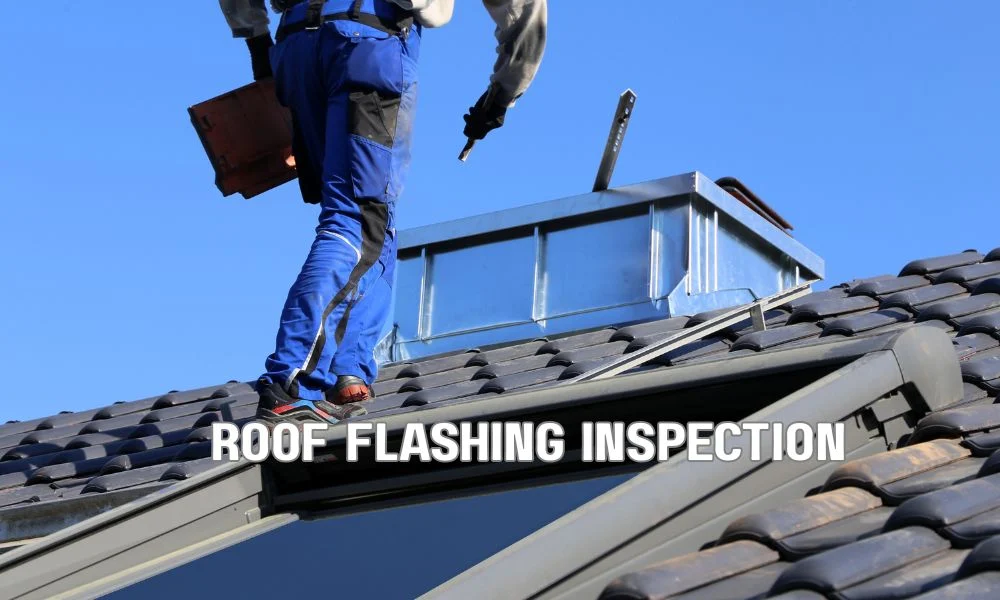
Different photo angles and close-ups reveal specific details about the roof’s condition and the nature of any damage. Wide-angle shots provide context, showing the overall roof plane and highlighting general areas of concern like sag or extensive moss growth. Close-up photos, conversely, zoom in on precise issues such as individual shingle damage (cracks, blistering, missing granules), flashing defects, sealant failures, or compromised pipe boots. These detailed images are vital for pinpointing exact repair locations and understanding the problem’s scope.
How do inspectors identify subtle signs of water intrusion or hidden damage?
Inspectors identify subtle signs of water intrusion or hidden damage through a combination of visual cues, moisture meters, and sometimes thermal imaging. Visual cues include discolored ceilings, peeling paint, or warped trim inside the property, indicating a potential leak source above. On the roof, inspectors look for displaced flashing, compromised sealants around penetrations, or soft spots in the decking underfoot. Moisture meters provide objective data on moisture levels within roofing materials or underlying structures, while thermal cameras can detect temperature differentials caused by trapped moisture, even if not visibly apparent.
Interpreting Ratings and Severity Classifications
Roof inspection reports often employ a rating system or severity classification to quickly communicate the overall condition and urgency of identified issues. These ratings, whether numerical, descriptive (e.g., “Good,” “Fair,” “Poor”), or color-coded, provide an immediate snapshot of the roof’s health and help prioritize necessary actions. Understanding what each rating signifies is crucial for making informed decisions regarding repairs or maintenance.
How are roof conditions rated (e.g., Good, Fair, Poor)?
Roof conditions are typically rated based on a standardized scale, such as “Good,” “Fair,” “Poor,” or “End of Life,” reflecting the roof’s current state and expected remaining useful life. A “Good” rating indicates a well-maintained roof with minimal wear, no significant defects, and several years of life remaining. “Fair” suggests moderate wear and tear, minor issues that may require monitoring or small repairs, but no immediate structural concerns. A “Poor” rating signifies significant deterioration, multiple active defects, or compromised integrity, demanding prompt repairs or replacement. “End of Life” indicates the roof has reached or exceeded its design lifespan and requires immediate replacement.
Critical Fact 2: The “Remaining Useful Life” (RUL) estimate is an educated projection, not a guarantee, and is heavily influenced by maintenance, weather exposure, and original material quality.
What do “Remaining Useful Life” estimates truly mean?
“Remaining Useful Life” (RUL) estimates provide an approximate number of years a roof is expected to function effectively before needing replacement, assuming normal wear and tear and proper maintenance. This estimate is based on the roof’s age, material type, current condition, and local climate factors. It is a critical metric for long-term planning, budgeting for future expenses, and evaluating a property’s overall value. However, RUL is an estimation and unforeseen events like severe storms can drastically alter it.
| Roofing Material | Typical Lifespan (Years) | Average Cost per sq. ft. (Installed) | Common Inspection Frequency | Primary Issues Identified |
|---|---|---|---|---|
| Asphalt Shingles | 15-30 | $3.00 – $6.00 | Annual / After Storms | Granule loss, curling, cracking, missing tabs |
| Metal (Standing Seam) | 40-70+ | $8.00 – $16.00 | Every 2-5 years / After Storms | Panel dents, fastener issues, sealant degradation |
| Tile (Clay/Concrete) | 50-100+ | $10.00 – $20.00 | Every 5-10 years / After Storms | Cracked/broken tiles, mortar degradation |
| Flat/Low-Slope (TPO/EPDM) | 15-30 | $6.00 – $12.00 | Annual / Bi-annual | Seam failures, punctures, ponding water, blistering |
Navigating Recommendations and Future Action
The recommendations section of a roof inspection report is perhaps the most actionable part, translating observations into concrete steps. This section outlines specific repairs, maintenance tasks, or replacement suggestions, often prioritizing them by urgency. Understanding these recommendations is key to protecting your investment and ensuring the longevity of your roof. Ignoring them can lead to exacerbated problems and significantly higher costs down the line.
How do recommendations translate into necessary repairs or maintenance?
Recommendations translate into necessary repairs or maintenance by clearly specifying the identified issue, the recommended solution, and often an urgency level. For example, a recommendation might state, “Re-seal pipe flashing on the main vent stack (Urgent – active leak potential)” or “Clean debris from gutters and downspouts (Preventative – ensure proper drainage).” The report may also suggest contacting a qualified roofing contractor for further assessment or repair, providing a clear path forward. Prioritizing these actions based on the report’s guidance helps mitigate risk.
When should I seek a second opinion or specialist?
You should seek a second opinion or specialist when the initial report’s findings are unclear, contradictory, or if the recommended repairs seem excessive or beyond your understanding. If the inspection report suggests full roof replacement, especially for a relatively new roof, a second expert evaluation can provide crucial validation or an alternative perspective. Additionally, if the initial inspector notes signs of structural damage or persistent leaks without a clear cause, engaging a structural engineer or a specialized leak detection service is advisable to ensure a comprehensive diagnosis and appropriate remediation.
Leveraging Your Report for Homeowner Advantage
A thoroughly understood roof inspection report is more than just a list of deficiencies; it’s a powerful asset for homeowners. It empowers you to negotiate effectively during real estate transactions, substantiate insurance claims, and proactively manage your property’s maintenance schedule. Using this document strategically can save thousands of dollars and provide invaluable peace of mind.
Critical Fact 3: Always keep the original roof inspection report and any subsequent repair invoices; these documents are invaluable for future sales, insurance claims, and proving due diligence.
How can I use the report for insurance claims or property negotiations?
You can use the report for insurance claims by presenting it as objective evidence of damage, complete with photographic documentation and an expert’s assessment of the cause and severity. This strengthens your claim significantly, making it harder for insurers to deny or undervalue your losses. For property negotiations, especially during a purchase, the report serves as a factual basis to request seller credits, price reductions, or mandated repairs before closing. If selling, a clean report can be a strong selling point, while one with noted issues allows for proactive disclosure and pricing adjustments, fostering trust with potential buyers.
Frequently Asked Questions
What is the typical cost of a professional roof inspection?
The cost of a professional roof inspection can vary widely based on location, roof size, pitch, and complexity, but typically ranges from $150 to $600. Some inspectors might offer a free inspection if they are also quoting repair or replacement services.
How often should I have my roof inspected?
It’s generally recommended to have your roof inspected annually, especially if it’s older than 10 years or after any severe weather event. For newer roofs, every 2-3 years might suffice for preventative maintenance.
Does a roof inspection report include attic inspection findings?
Many comprehensive roof inspection reports do include findings from the attic, specifically looking for signs of water intrusion, proper ventilation, insulation issues, and structural integrity related to the roof system. Always confirm this scope with your inspector.
What qualifications should a roof inspector have?
A roof inspector should ideally be licensed, insured, and certified by relevant industry bodies like the National Association of Home Inspectors (NAHI) or the American Society of Home Inspectors (ASHI). Experience specific to roofing is also highly valued.
Can a roof inspection report help prevent future leaks?
Absolutely. By identifying potential weak points, worn materials, or areas of concern before they become active leaks, a detailed inspection report allows for proactive repairs or maintenance, significantly preventing future water intrusion.
Is a drone inspection as thorough as a physical inspection?
While drone inspections offer excellent visual coverage of inaccessible areas and enhance safety, they may not be as thorough as a physical inspection which allows an inspector to feel for soft spots, lift shingles, or directly assess flashing integrity. A combination is often ideal.
What if the report identifies minor issues but estimates a short remaining useful life?
If minor issues are present but the RUL is short, it usually means the roof is approaching its natural lifespan, and while small repairs can extend it slightly, a full replacement will likely be needed soon. Prioritize budgeting for the eventual replacement rather than extensive minor repairs.
Will my insurance company accept this report for a claim?
Most insurance companies will accept a professional roof inspection report as part of a claim, especially if it’s from a certified inspector and clearly documents storm damage or other covered perils. The report provides objective evidence supporting your claim.
