
Executive Summary
- Proactive roof inspections are paramount for Florida commercial buildings to identify and mitigate vulnerabilities before hurricane season begins.
- Sealing all penetrations and reinforcing edges significantly reduces the risk of catastrophic roof failure due to high winds and water ingress.
- Comprehensive documentation of pre-storm condition and repair history is critical for streamlining insurance claims and facilitating post-storm recovery.
- Investing in hurricane-resistant roofing materials and certified installation practices provides long-term protection and reduces potential damages.
- Engaging licensed roofing professionals for annual assessments ensures compliance with building codes and specialized hurricane preparedness strategies.
- Developing a detailed emergency response plan, including contact lists and repair protocols, minimizes downtime and accelerates business continuity.
- Regular debris removal from gutters and roof surfaces prevents drainage issues and protects against projectile damage during severe weather events.
Proactive Preparedness: Why Commercial Roofs Demand Attention
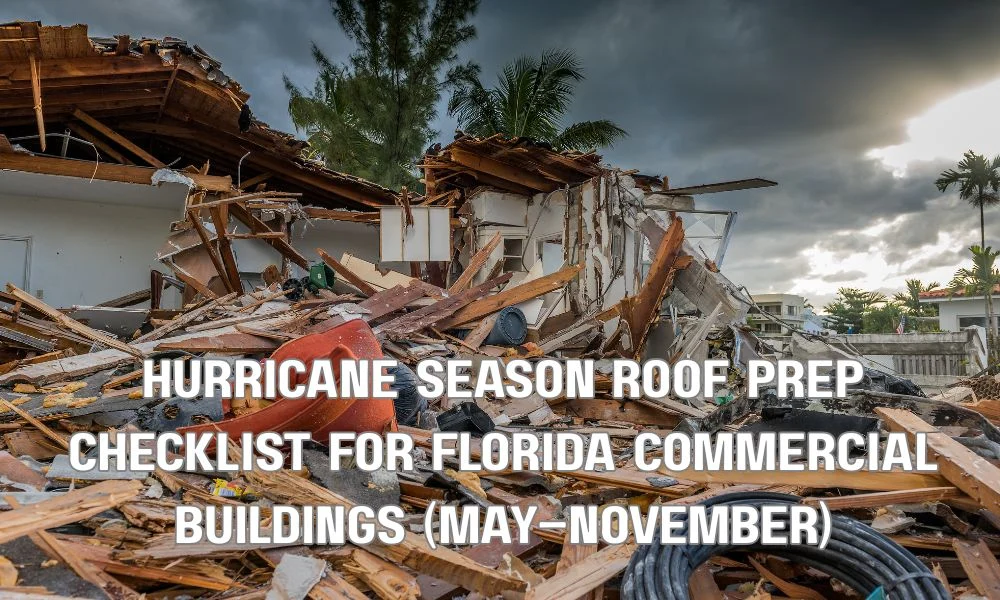
Florida’s hurricane season, officially spanning from June 1st to November 30th, presents significant threats to commercial properties, with roof damage being among the most common and costly. Proactive preparation of your commercial building’s roof is not merely a recommendation; it is an economic necessity and a critical safety measure. Early and thorough preparation protects your assets, ensures business continuity, and safeguards the occupants of your facility against the devastating impacts of severe weather.
Critical Fact 1: A significant percentage of hurricane-related property damage claims in Florida stem directly from roof failures, emphasizing the economic imperative of robust pre-season preparation.
What makes Florida commercial roofs particularly vulnerable during hurricane season?
Florida commercial roofs are particularly vulnerable during hurricane season due to a combination of extreme weather conditions and specific structural stresses. High-velocity winds create uplift forces that can detach membrane systems, peel back metal panels, or compromise perimeter flashing, while torrential rainfall exploits even minor breaches, leading to extensive interior water damage. The prolonged exposure to intense sun and humidity also accelerates material degradation, making older or improperly maintained roofs even more susceptible to storm-induced failure.
When should commercial building owners begin hurricane roof preparations?
Commercial building owners in Florida should ideally begin hurricane roof preparations well in advance of the official season, starting in early spring (March-April). This timeline allows ample opportunity for comprehensive inspections, scheduling necessary repairs or upgrades, and acquiring materials without the rush and increased costs associated with last-minute demand. Beginning early ensures your property is fortified and ready long before the first tropical depression forms.
Essential Pre-Season Roof Inspection and Maintenance
A robust pre-season inspection and maintenance program forms the cornerstone of hurricane preparedness for commercial roofs. These actions allow building owners to identify and address potential weaknesses proactively, preventing minor issues from escalating into major damage during a storm. Diligent attention to detail now can save millions in repairs later.
What specific elements should be part of a comprehensive roof inspection checklist?
A comprehensive roof inspection checklist should meticulously cover all critical components to ensure maximum resilience against hurricane forces. This includes a detailed examination of the roof membrane for tears, punctures, or blistering, especially at seams and termination points. Inspect all flashings around penetrations (HVAC units, vents, skylights) and at perimeters for signs of deterioration or detachment, as these are common entry points for water and points of wind uplift vulnerability. Verify that all drains, gutters, and downspouts are clear of debris and functioning correctly to manage heavy rainfall effectively. Furthermore, assess the condition of all rooftop equipment, ensuring it is securely anchored and free from loose components that could become dangerous projectiles.
How can minor roof damage be identified and repaired before a storm?
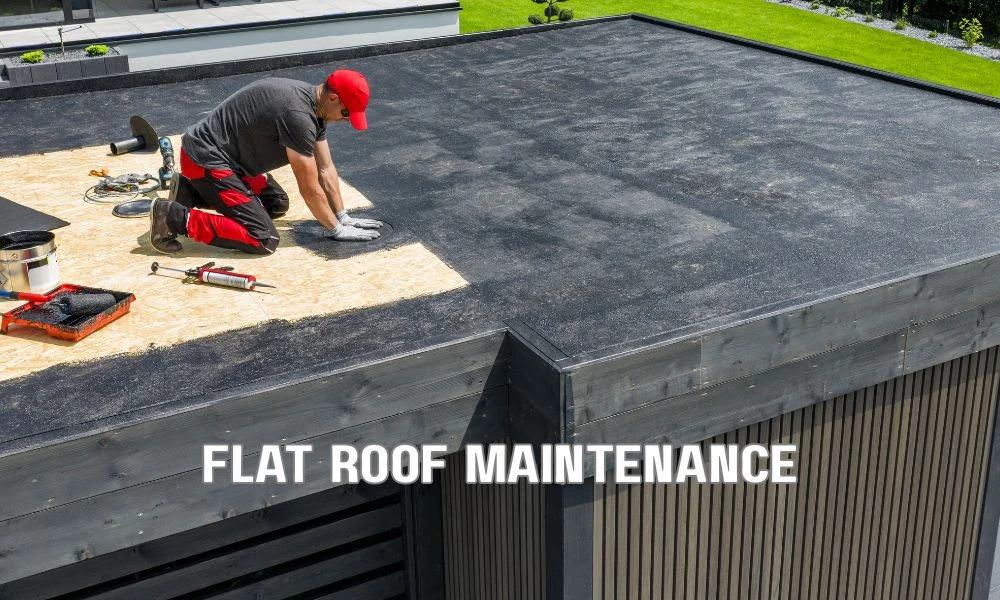
Minor roof damage can be identified through regular visual inspections and professional assessments, often appearing as subtle signs before a major failure. Look for small cracks, bubbles, or wrinkles in membrane roofing, loose or missing fasteners on metal panels, and compromised sealant around rooftop equipment or parapet walls. Water stains on interior ceilings can indicate an existing leak that needs immediate attention. These issues should be promptly addressed by qualified roofing contractors using appropriate materials and techniques to seal breaches, reinforce weak points, and ensure the roof’s integrity. Patching small holes, re-caulking seams, and tightening loose connections are essential preventative repairs.
Fortifying Your Roof: Material Considerations and Upgrades
Selecting and maintaining the right roofing materials, combined with strategic upgrades, is paramount to fortifying a commercial roof against Florida’s hurricane season. The inherent properties of materials and the quality of their installation significantly determine a roof’s ability to withstand extreme wind and water.
Which roofing materials offer superior hurricane resistance for commercial buildings?
Roofing materials that offer superior hurricane resistance for commercial buildings typically possess excellent wind uplift ratings, puncture resistance, and watertight characteristics. TPO (Thermoplastic Polyolefin) and PVC (Polyvinyl Chloride) membranes, when fully adhered or mechanically fastened with redundant systems, perform exceptionally well due to their flexibility and strong seams. Modified Bitumen (Mod-Bit) systems, particularly those installed in multiple layers with gravel surfacing, offer robust protection against impact and high winds. Metal roofing, especially standing seam systems, can also be highly hurricane-resistant if panels are securely fastened with concealed clips and designed to account for thermal movement and wind uplift forces.
Critical Fact 2: Building codes in Florida’s High-Velocity Hurricane Zones (HVHZ), such as Miami-Dade and Broward counties, mandate specific, rigorous standards for commercial roof systems, including enhanced wind load resistance and impact ratings.
What preventative upgrades can significantly enhance roof resilience?
Preventative upgrades significantly enhance roof resilience by reinforcing weak points and improving overall structural integrity. One critical upgrade is the installation of enhanced perimeter flashing and edge metal systems, which are often the first points of failure during high winds. Adding secondary roof drains or overflow scuppers can prevent ponding water and reduce hydrostatic pressure during torrential rains. For existing membrane roofs, consider adding a protective coating that enhances UV resistance and provides an additional layer of waterproofing. Reinforcing rooftop equipment with hurricane straps or additional anchors ensures these heavy items remain secured and don’t become dangerous projectiles. Investing in a third-party wind uplift analysis can identify specific areas needing reinforcement.
| Roofing Material | Hurricane Resistance (1-5, 5 being highest) | Lifespan (Years) | Typical Wind Uplift Rating (psf) | Key Benefit for Hurricane Prep |
|---|---|---|---|---|
| TPO (Thermoplastic Polyolefin) | 4.5 | 15-25 | 60-120+ | Strong heat-welded seams, flexible, puncture-resistant. |
| PVC (Polyvinyl Chloride) | 4.7 | 20-30 | 75-150+ | Superior seam strength, chemical resistance, durable. |
| Modified Bitumen (Mod-Bit) | 4.0 | 10-20 | 45-90 | Multi-layer system provides impact resistance and redundancy. |
| Metal (Standing Seam) | 4.8 | 30-50+ | 90-180+ | Exceptional wind resistance, non-combustible, long-lasting. |
| EPDM (Ethylene Propylene Diene Monomer) | 3.5 | 20-30 | 30-70 | Good flexibility, but seam integrity is crucial; often needs reinforcement. |
Emergency Planning and Documentation for Post-Storm Recovery
Even with the most rigorous preparation, hurricanes can still inflict damage. Therefore, a robust emergency plan and meticulous documentation are indispensable for an efficient and less disruptive recovery process. This foresight significantly impacts the speed and success of insurance claims and repairs.
What documentation is crucial for insurance claims after hurricane damage?
Crucial documentation for insurance claims after hurricane damage includes a comprehensive pre-storm photographic and video inventory of the roof’s condition, detailed records of all maintenance and repairs performed, and copies of original roof installation specifications and warranties. Keep all invoices for hurricane preparedness expenses, such as enhanced inspections or upgrades. Immediately after a storm, document all damage extensively with timestamped photos and videos from multiple angles, including close-ups of specific failures. Maintain a log of all communication with contractors and insurance adjusters, as this complete record will expedite the claim process and ensure fair compensation.
How should an emergency roof repair plan be established?
An emergency roof repair plan should be established by identifying a trusted, licensed roofing contractor well in advance who can prioritize your property after a storm. This plan should include pre-negotiated emergency service agreements, outlining response times and basic repair costs. Keep easily accessible contact information for your designated contractor and insurance provider. The plan should also detail internal protocols for safely accessing the roof (if feasible and safe), temporary tarping procedures, and immediate damage mitigation steps to prevent further interior water damage. Assign clear roles and responsibilities to staff members for initial assessment and communication, ensuring a swift and organized response.
Building owners who fail to prioritize hurricane readiness for their commercial roofs face substantial financial risks, potential operational downtime, and increased liability. A proactive, multi-faceted approach encompassing inspections, upgrades, and a solid emergency plan is the only responsible course of action for long-term protection and peace of mind in Florida’s climate.
Critical Fact 3: Commercial properties in Florida that implement proactive hurricane roof preparation strategies often experience significantly lower repair costs and reduced business interruption compared to those that do not.
Frequently Asked Questions
What is the primary goal of a pre-hurricane season roof inspection?
The primary goal is to identify and address potential weaknesses or existing damage in the roofing system that could compromise its integrity during a hurricane. This proactive approach aims to prevent catastrophic failures and minimize post-storm repair costs.
How often should a commercial roof in Florida be inspected for hurricane preparedness?
Commercial roofs in Florida should undergo a comprehensive professional inspection annually, preferably in early spring (March-April), before hurricane season officially begins. Additional inspections may be warranted after any severe weather event.
Can I perform my own pre-hurricane roof inspection?
While building owners can conduct preliminary visual checks for obvious damage, a comprehensive inspection should always be performed by a licensed and experienced commercial roofing professional. They possess the expertise and safety equipment to thoroughly assess all critical components.
What are common signs of roof damage that can be exacerbated by a hurricane?
Common signs include cracked or blistering membranes, loose or missing flashing, standing water (ponding), clogged drains, deteriorated sealants around penetrations, and unsecured rooftop equipment. Even minor issues can become major vulnerabilities.
Is it necessary to trim trees around my commercial building before hurricane season?
Yes, it is highly recommended to trim trees and clear overhanging branches that could fall onto the roof during high winds. This significantly reduces the risk of impact damage and prevents debris from accumulating in gutters.
What role does proper roof drainage play in hurricane preparedness?
Proper roof drainage is critical to prevent ponding water, which can add significant weight to the roof structure and exploit any minor leaks or seams. Clear drains and scuppers ensure rapid water runoff, minimizing water infiltration.
Should I consider a roof coating as part of my hurricane prep?
Roof coatings can enhance the durability, waterproofing, and UV resistance of certain roofing systems, potentially adding an extra layer of protection against minor leaks and sun degradation. Consult a roofing professional to determine if a coating is suitable for your specific roof type.
How can I find a reputable roofing contractor for hurricane prep and emergency repairs?
Seek out contractors with strong local references, valid licenses, comprehensive insurance, and proven experience with commercial roofing in hurricane-prone areas. Establish an emergency service agreement with them *before* a storm hits.
