

Executive Summary
- Florida commercial and condo properties necessitate robust roof reserve planning to mitigate high replacement costs and ensure structural integrity against severe weather.
- New state regulations, including HB 1121 and SB 4D, mandate comprehensive reserve studies, making accurate annual contributions more critical than ever for compliance.
- Factoring in Florida’s extreme climate, specific roof material lifespans, and future inflation is crucial for precise, long-term reserve fund projections.
- Proactive roof maintenance programs can significantly extend roof lifespans, thereby optimizing reserve fund requirements and delaying major capital expenditures.
- A well-structured roof reserve plan ensures financial stability, enhances property value, and effectively avoids special assessments that burden owners or tenants.
- Utilizing a professional reserve study provides expert-backed calculations, ensuring regulatory compliance and preventing critical underfunding for future roof replacements.
- Adequate roof reserves protect property investments by ensuring funds are available for inevitable replacements, safeguarding against unexpected financial liabilities.
Understanding Roof Reserve Planning in Florida
Why is Roof Reserve Planning Crucial for Florida Properties?
Roof reserve planning is crucial for Florida properties primarily due to the state’s unique and often harsh environmental conditions, combined with recent legislative changes. The constant exposure to intense UV radiation, torrential rains, high humidity, and hurricane-force winds significantly accelerates roof wear and tear, shortening lifespans compared to other regions. Proactive planning ensures funds are readily available for eventual replacement or major repairs, avoiding financial distress and special assessments.
Critical Fact 1: Florida’s new condo safety laws (SB 4-D and HB 1121) now prohibit waiving full reserves for structural components, including roofs, making proper funding mandatory for associations.
What are the Legal Requirements for Reserves in Florida?
The legal requirements for reserves in Florida, particularly for condominium associations, have been significantly strengthened by legislative changes like Senate Bill 4-D (effective July 1, 2022) and House Bill 1121. These laws mandate that associations must conduct a structural integrity reserve study (SIRS) for buildings three stories or higher every 10 years, which specifically includes roofs as a critical structural component. Furthermore, these new regulations prohibit waiving or reducing the funding of reserves for these structural components, ensuring that sufficient funds are accrued to cover future major repairs or replacements without relying on special assessments. Commercial properties, while not subject to the exact same condominium-specific laws, are increasingly adopting similar robust reserve practices due to lender requirements and sound financial management.
Key Factors Influencing Roof Reserve Calculations
What Roof Types Are Common in Florida and Their Lifespans?
Several roof types are common in Florida, each with distinct characteristics and lifespans that influence reserve calculations. Single-ply membranes like TPO (Thermoplastic Polyolefin) and PVC (Polyvinyl Chloride) are popular for flat or low-slope commercial roofs due to their durability and reflective properties, typically lasting 15-25 years. Modified Bitumen (Mod-Bit) systems, often used on commercial buildings, offer good waterproofing and typically last 10-20 years. Built-Up Roof (BUR) systems, a traditional layered approach, can last 20-30 years. Metal roofs, while a higher initial investment, boast lifespans of 30-50+ years and excellent wind resistance, making them increasingly popular for both commercial and multi-family properties. The choice of material significantly impacts the projected replacement cycle and, consequently, the annual reserve contribution.
How Do Climate and Maintenance Impact Roof Longevity?
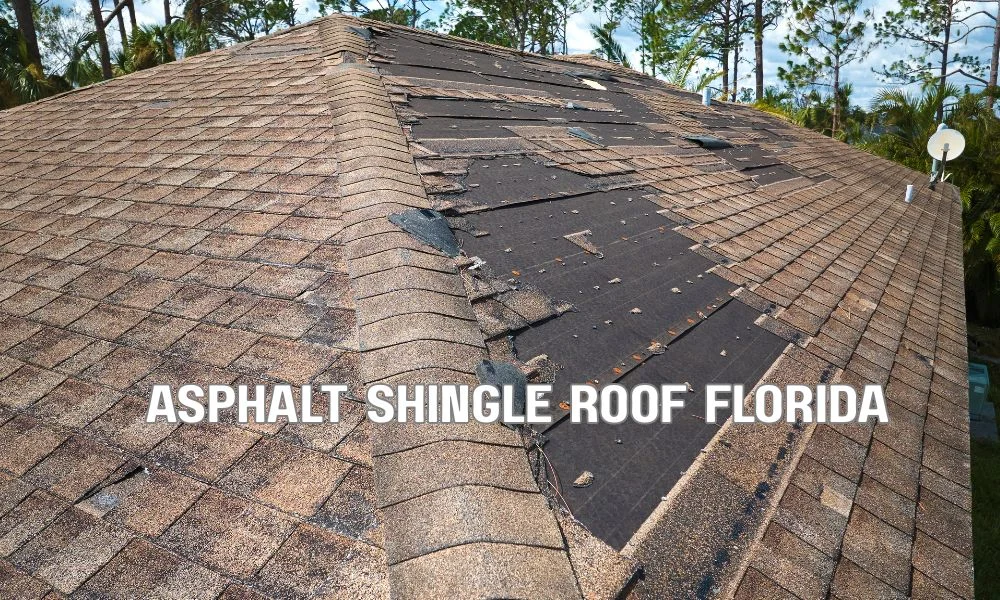
Florida’s severe climate, characterized by intense sun exposure, high humidity, heavy rainfall, and hurricane seasons, profoundly impacts roof longevity, often reducing a roof’s typical lifespan by 20-30% compared to milder climates. Constant UV radiation degrades materials, high humidity promotes algae and mold growth, and powerful winds can cause immediate damage or long-term fatigue. However, diligent and proactive maintenance can significantly counteract these environmental stressors, extending a roof’s service life. Regular inspections, cleaning, minor repairs, and recoating can delay the need for full replacement, thus optimizing the reserve fund timeline and potentially reducing annual contributions.
What Are the Typical Costs Associated with Commercial Roof Replacement?
The typical costs associated with commercial roof replacement in Florida vary widely based on several factors, including roof size, material chosen, existing roof removal complexity, access challenges, and current labor rates. Generally, costs are calculated per square foot, and these figures include materials, labor, permits, and waste disposal. Understanding these benchmark costs is essential for accurate reserve planning to ensure sufficient funds are set aside for future projects.
Here’s a comparison of common commercial roof types, their estimated lifespans, and typical installed costs per square foot in Florida:
| Roof Type | Typical Lifespan (Florida) | Est. Cost/Sq. Ft. (Installed) | Maintenance Level |
|---|---|---|---|
| TPO/PVC (Single-Ply) | 15-25 years | $10 – $15 | Moderate |
| Modified Bitumen (Mod-Bit) | 10-20 years | $8 – $12 | Moderate |
| Built-Up Roof (BUR) | 20-30 years | $10 – $18 | Low to Moderate |
| Metal Roof | 30-50+ years | $15 – $30 | Low |
| Restorative Coating | 5-15 years (extends life) | $2 – $7 | Low |
Critical Fact 2: The average commercial roof replacement in Florida can cost anywhere from $100,000 to over $1,000,000, depending on size, material, and complexity, making adequate reserves paramount.
Calculating Your Annual Roof Reserve Contribution
What is the Formula for Effective Reserve Calculation?
The formula for effective roof reserve calculation is relatively straightforward: determine the total estimated cost of replacement, subtract any existing funds, and then divide by the remaining useful life of the roof. More precisely, the annual contribution is calculated as `(Estimated Replacement Cost – Current Reserve Balance) / Remaining Useful Life (in years)`. This method ensures that enough funds are accumulated by the time the roof reaches the end of its projected lifespan. It’s crucial to obtain accurate estimates for replacement costs and expert assessments for remaining useful life to make this calculation robust.
How Does Inflation and Future Cost Escalation Factor In?
Inflation and future cost escalation are critical factors that must be incorporated into roof reserve calculations to prevent significant underfunding over time. The cost of materials and labor will inevitably rise, often exceeding general inflation rates, especially for specialized roofing components. Professional reserve studies typically use an inflation multiplier (e.g., 3-5% annually) to project future replacement costs more accurately. Ignoring these escalations means the current estimated replacement cost will be insufficient when the project actually occurs years down the line, necessitating larger special assessments or depleted funds for other reserve components.
Strategies for Optimizing Your Roof Reserve Fund
What Are Best Practices for Reserve Fund Management?
Best practices for roof reserve fund management involve several key strategies to ensure financial health and compliance. Firstly, obtaining a professional reserve study every 3-5 years is paramount, providing an unbiased assessment of remaining useful life and accurate cost projections. Secondly, fully funding reserves according to the study’s recommendations avoids the need for special assessments and adheres to Florida’s strict new regulations. Thirdly, maintaining separate interest-bearing accounts for reserve funds ensures growth and prevents commingling with operating funds. Lastly, regularly reviewing and adjusting the reserve plan based on actual maintenance, unexpected events, and market conditions helps keep the fund robust and relevant.
How Can Proactive Maintenance Extend Roof Life and Reduce Reserve Needs?
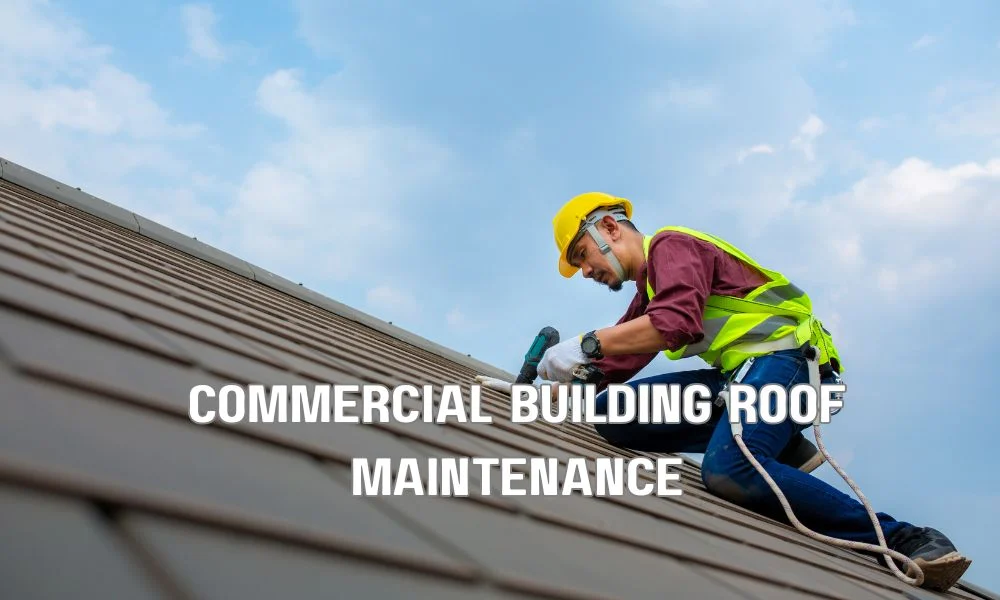
Proactive maintenance is one of the most effective ways to extend a roof’s useful life and consequently reduce immediate reserve needs. Regular inspections by qualified professionals can identify minor issues like punctures, cracked seams, or clogged drains before they escalate into costly problems. Timely repairs, cleaning of debris, application of protective coatings, and ensuring proper drainage can add years to a roof’s lifespan. By pushing back the major replacement date, the association or commercial property can spread the total replacement cost over a longer period, resulting in lower annual reserve contributions and more time for the fund to accumulate.
Navigating Insurance and Contingencies
How Does Property Insurance Relate to Roof Reserves?
Property insurance and roof reserves serve distinct but complementary roles in protecting a commercial or condo property’s roof. Property insurance is designed to cover sudden and accidental damage, such as that caused by hurricanes, fires, or unforeseen perils, typically offering repair or replacement coverage based on policy terms. Roof reserves, on the other hand, are specifically for the inevitable planned replacement of the roof due to normal wear and tear and aging, which insurance generally does not cover. A robust reserve fund ensures that when an insurance claim isn’t applicable—or when deductibles are high—the property still has the financial capacity to address critical roof issues without resorting to emergency funding.

What Contingency Planning is Essential for Unexpected Roof Issues?
Contingency planning for unexpected roof issues is essential, even with a well-funded reserve. While reserves cover predictable replacement, unforeseen events like severe storm damage exceeding insurance coverage or complex structural issues identified during a major repair can quickly deplete funds. Therefore, it’s prudent for commercial and condo properties to maintain a separate contingency fund or allocate a portion of the operating budget for such emergencies. This fund acts as a buffer, preventing the need to dip into the core roof reserve, which is earmarked for scheduled replacement, or to levy a sudden, burdensome special assessment on owners.
Critical Fact 3: Underfunding roof reserves can lead to significant special assessments, potentially devaluing properties and creating severe financial strain for owners or tenants.
Frequently Asked Questions
What is a roof reserve study?
A roof reserve study is a comprehensive assessment conducted by a qualified professional that evaluates the condition of a property’s roof, estimates its remaining useful life, and projects the future costs of repair or replacement. It provides a detailed financial plan, recommending annual contributions to ensure funds are available when needed.
How often should a reserve study be updated in Florida?
For Florida condominium associations, a structural integrity reserve study (SIRS) is mandated every 10 years for buildings three stories or higher. However, for all commercial and condo properties, it’s best practice to update a full reserve study every 3-5 years to account for inflation, changes in roof condition, and market cost fluctuations.
Can Florida condo associations waive roof reserves?
No, under Florida’s recent legislation (SB 4-D and HB 1121), condominium associations can no longer waive or partially fund reserves for structural components, including roofs, for buildings three stories or higher. Full funding of these specific reserves is now mandatory.
What happens if a property underfunds its roof reserves?
Underfunding roof reserves can lead to several negative consequences, including the inability to afford necessary roof replacement when due, resulting in structural deterioration, water damage, and potentially costly emergency repairs. It often necessitates large special assessments, causing financial burden for owners and can impact property values.
Is a roof reserve the same as a maintenance budget?
No, a roof reserve is distinct from a maintenance budget. A maintenance budget covers routine, ongoing expenses like minor repairs, cleaning, and inspections. A roof reserve, conversely, is specifically for major capital expenditures, such as the full replacement or significant overhaul of the roof system.
How do I estimate the remaining useful life of my roof?
Estimating a roof’s remaining useful life (RUL) requires professional assessment. A qualified roofing contractor or a reserve study professional can inspect the roof’s current condition, consider its material, age, maintenance history, and exposure to environmental factors to provide an accurate RUL projection.
Does roof reserve planning apply to small commercial buildings?
Yes, roof reserve planning is crucial for commercial buildings of all sizes, not just large complexes. While smaller buildings might have lower absolute replacement costs, adequate planning ensures financial stability, helps maintain property value, and prevents unexpected large expenses that can impact business operations.
Can energy-efficient roofing impact my reserve planning?
Yes, investing in energy-efficient roofing materials can positively impact your reserve planning. While they may have a higher initial cost, their extended lifespan and potential for lower utility bills can lead to a longer reserve cycle and operational savings, offering a better long-term return on investment.
