
Executive Summary
- Proactive roof management is crucial for commercial properties, ensuring longevity and preventing costly structural damage over time.
- Evaluating whether to repair, restore, or replace an aging commercial roof requires a comprehensive financial and operational assessment.
- Roof restoration offers a cost-effective alternative to full replacement, significantly extending lifespan while improving energy efficiency and sustainability.
- Lifecycle costing provides a clearer financial picture, factoring in initial outlay, maintenance, energy savings, and future replacement expenses.
- Considering tax incentives, warranty implications, and building codes is essential when making capital expenditure decisions for commercial roofing.
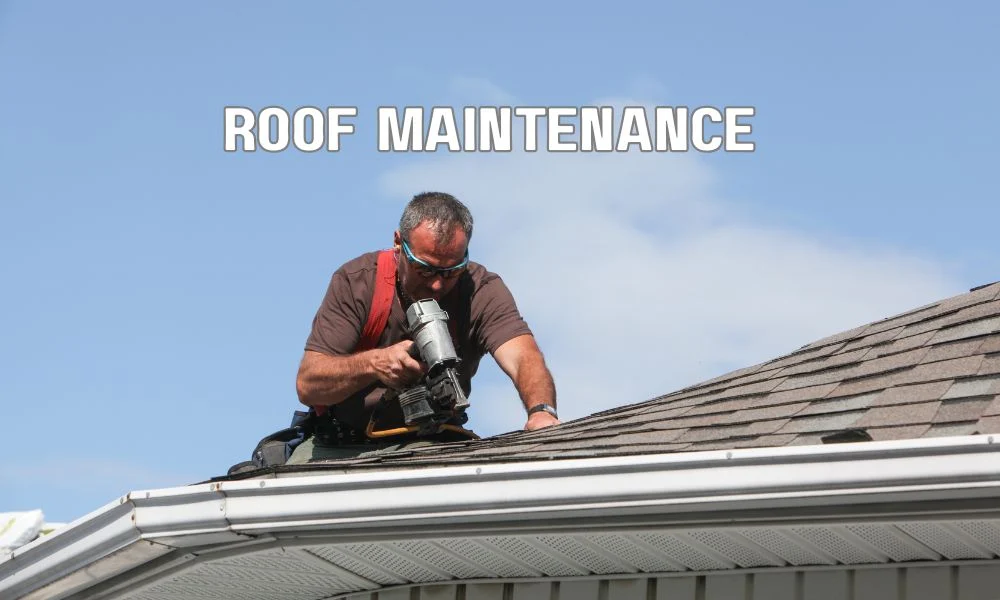
- Prioritizing regular inspections and preventative maintenance can delay major interventions and optimize the return on roofing investments.
- Investing in high-performance roofing materials and systems enhances property value, reduces operational costs, and minimizes business disruption.
Understanding the Commercial Roofing Dilemma
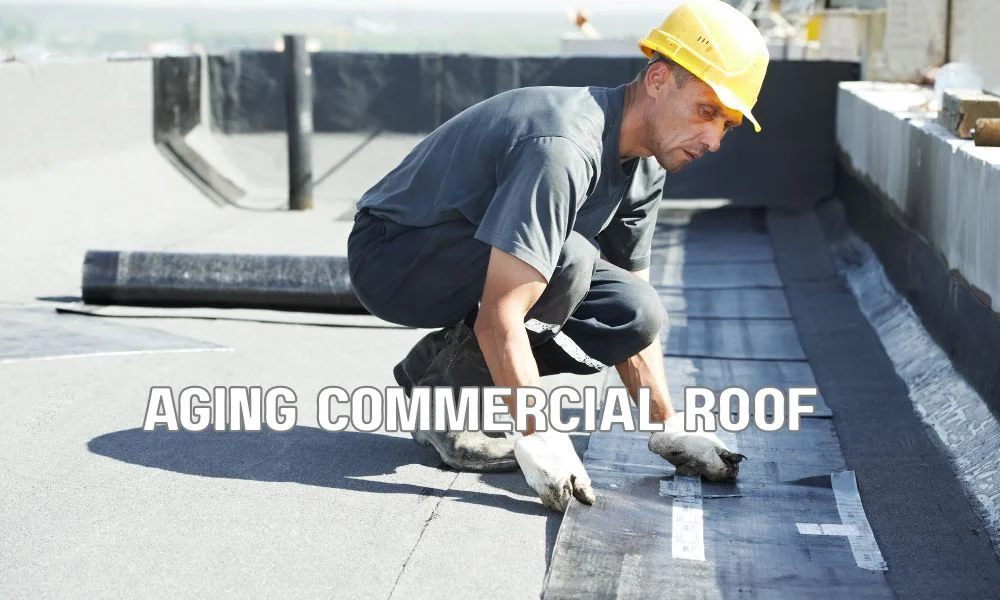
Managing an aging commercial roof presents a critical decision point for property owners and facilities managers: should it be repaired, restored, or completely replaced? This choice carries significant financial implications, impacting operational budgets, long-term asset value, and business continuity. Beyond the immediate cost, the decision influences energy efficiency, regulatory compliance, and the overall structural integrity of the building. A strategic approach involves a thorough assessment of the roof’s current condition, understanding its remaining useful life, and evaluating the various solutions against a clear financial framework. This framework considers not just upfront expenses but also ongoing maintenance, potential energy savings, warranty coverages, and the overall lifecycle cost of the investment.
Critical Fact 1: A roof typically represents 5-10% of a commercial building’s total construction cost, but its failure can account for over 40% of property damage claims.
When is Repair the Most Prudent Choice?
Commercial roof repair is the most prudent choice when damage is isolated, minor, and has not compromised the majority of the roof system’s integrity or substrate. This option is ideal for addressing localized leaks, small punctures, flashing issues, or minor seam separations that can be fixed quickly and cost-effectively to extend the roof’s functional life for a few more years. Repairs are a short-term solution for roofs that are generally in good condition but have specific points of failure, preventing the escalation of minor issues into major, systemic problems. It’s often suitable for roofs with 7-10 years of remaining expected lifespan, where the cost of repair is a small fraction of a full restoration or replacement.
Repairing offers the lowest upfront cost, making it attractive for budget-constrained situations or when a property is slated for sale in the near future. However, it’s critical to ensure that the underlying structure and insulation are not compromised by moisture ingress, as this could lead to more extensive and expensive issues down the line. A professional inspection is essential to determine if repairs are truly sufficient or merely delaying an inevitable larger project. If widespread deterioration, membrane blistering, or water-saturated insulation is present, repairs become a false economy, failing to address the root causes of roof system failure.
Exploring Restoration: Extending Roof Lifespan Economically
Roof restoration involves applying a protective coating or system directly over an existing roof, effectively creating a new waterproof surface without the need for tear-off. This option significantly extends the roof’s lifespan by 10-20 years, often at a fraction of the cost of a full replacement, making it an economically viable and environmentally friendly solution. Restoration systems are typically fluid-applied, seamlessly sealing penetrations and seams, and can improve the roof’s reflectivity, leading to substantial energy savings. It’s an excellent choice for roofs that are structurally sound but show signs of wear, minor leaks, or weathering, preventing the accumulation of waste in landfills.
What are the Benefits of a Commercial Roof Restoration?
The benefits of commercial roof coatings and restoration are numerous, including substantial cost savings, extended roof lifespan, and enhanced energy efficiency. By avoiding tear-off, property owners save on labor, disposal fees, and material costs compared to a full replacement, often realizing 50-70% savings. Restoration systems are often “cool roof” compliant, reflecting sunlight and reducing heat absorption, which can lower a building’s cooling costs by 15-30%. Furthermore, restoration minimizes business disruption, as operations can typically continue unimpeded during application, unlike the noise and debris associated with a full tear-off and replacement.
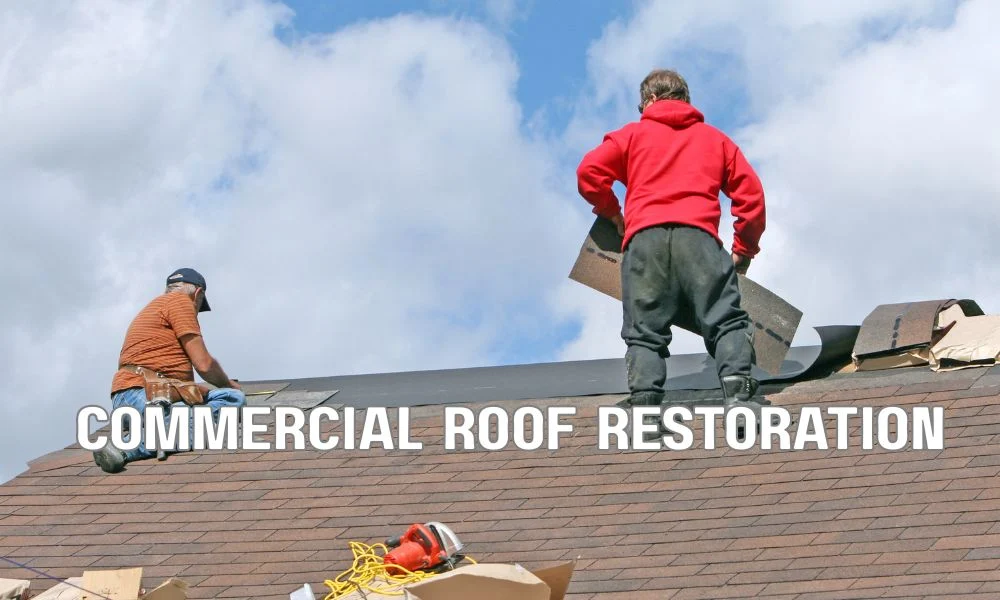
Another key benefit is sustainability; restoring a roof prevents hundreds or thousands of tons of old roofing material from entering landfills, aligning with corporate environmental responsibility initiatives. Many restoration systems come with long-term, transferable warranties, providing peace of mind and protecting the investment. This approach rejuvenates the existing roof, mitigating leaks and weathering, and often enhances its resistance to UV radiation, hail, and extreme temperatures, thereby improving the overall performance and value of the property.
| Option | Typical Cost Range | Expected Lifespan Added | Primary Benefit | Disruption Level |
|---|---|---|---|---|
| Minor Repair | $2 – $7 | 1 – 3 Years | Immediate Leak Control | Minimal |
| Roof Restoration | $4 – $12 | 10 – 20 Years | Cost-Effective Lifespan Extension, Energy Savings | Low |
| Full Replacement | $8 – $20+ | 20 – 30+ Years | New System, Longest Lifespan, Best Performance | Moderate to High |
Critical Fact 2: Roof restoration projects can often be expensed in the year they are performed, whereas full roof replacements are typically capitalized and depreciated over 39 years, offering significant tax advantages.
Deciding on Replacement: A Long-Term Investment
Replacement is the decision to completely remove the existing roof system, down to the deck, and install a brand-new one. This is a long-term investment, providing the longest lifespan and the highest level of performance, particularly when a roof has reached the end of its serviceable life, suffered extensive damage, or if the underlying structure requires significant repair. While it represents the highest upfront cost, a new roof system offers the opportunity to upgrade to more advanced materials, improve insulation, enhance drainage, and ensure full compliance with current building codes, ultimately reducing future maintenance and energy expenditures.
Under what conditions should a Commercial Roof be Replaced?
A commercial roof replacement and re-roofing project is warranted under conditions where structural integrity is severely compromised, widespread damage is evident, or multiple restoration attempts have failed. Key indicators include widespread water saturation in insulation, significant ponding that cannot be corrected by minor adjustments, extensive membrane deterioration (cracking, blistering, splitting), or multiple layers of existing roofing that exceed code limits. Replacement is also necessary when the building’s usage changes, requiring an entirely different roof system to meet new performance or load requirements, or when the existing roof’s energy efficiency is so poor that a new, high-performance system offers a compelling ROI through energy savings. When the cost of continuous repairs or even restoration approaches or exceeds the long-term value of a new system, replacement becomes the most economically sound decision for sustained property value and operational reliability.
Financial and Operational Considerations
The choice between repair, restore, or replace extends beyond immediate costs to encompass a broader range of financial and operational considerations. These include lifecycle costs, energy efficiency, warranty provisions, and potential business interruption. A holistic approach to budgeting for commercial roofing decisions ensures that the chosen strategy aligns with the property’s long-term financial goals and operational needs, minimizing unexpected expenses and maximizing asset value. Understanding how these factors interrelate is essential for making an informed decision that supports sustainable property management.
How do Lifecycle Costs Impact Roofing Decisions?
Lifecycle costs significantly impact roofing decisions by providing a comprehensive financial view beyond initial installation expenses, including maintenance, energy consumption, and eventual disposal. By analyzing the total cost of ownership over a roof’s entire lifespan—typically 20-30 years—property owners can accurately compare options like a lower-cost repair with higher ongoing maintenance versus a more expensive but longer-lasting replacement with minimal upkeep. A roof system with a higher upfront cost but superior durability, energy efficiency, and a longer warranty might offer a lower lifecycle cost, making it the more financially prudent choice in the long run. This approach helps identify the true value proposition of each roofing option, ensuring investments are made based on long-term economic benefits, not just immediate savings.
What Role Does Energy Efficiency Play in Roofing Choices?
Energy efficiency plays a pivotal role in roofing choices, directly impacting operational costs and environmental footprint. Modern roofing materials and restoration coatings, particularly “cool roof” systems, are designed to reflect a significant portion of solar radiation, reducing the amount of heat absorbed into the building. This can substantially decrease a building’s cooling load, leading to lower HVAC energy consumption and reduced utility bills. Investing in a highly reflective roof or a system with superior insulation contributes to improved indoor comfort, lowers greenhouse gas emissions, and can qualify for various energy rebates and tax incentives. For commercial properties, these energy savings are not just an operational benefit but a long-term financial asset, enhancing the building’s marketability and value, making energy efficiency a prime driver in selecting between repair, restore, or replace.
Critical Fact 3: Energy-efficient cool roofs can reduce peak cooling demand by 10-15% and lower annual cooling energy consumption by 20-30%, leading to significant cost savings.
Frequently Asked Questions
What is the typical lifespan of a commercial roof?
The typical lifespan of a commercial roof varies greatly depending on the material, installation quality, maintenance, and climate, generally ranging from 15 to 30 years. TPO and EPDM roofs often last 20-30 years, while modified bitumen might be 15-20 years. Regular inspections can help maximize this lifespan.
How often should a commercial roof be inspected?
A commercial roof should be inspected at least twice a year—ideally in spring and fall—and after any severe weather events like heavy storms, hail, or strong winds. Proactive inspections help identify minor issues before they escalate into costly problems.
Does a restored roof come with a warranty?
Yes, many roof restoration systems come with comprehensive warranties, often covering material and labor for 10 to 20 years. These warranties are typically backed by the manufacturer and can be a significant factor in the decision-making process, often transferable.
Can a leaky roof always be repaired?
No, a leaky roof cannot always be repaired effectively. If leaks are widespread, persistent, or due to fundamental system failure (e.g., saturated insulation, pervasive membrane deterioration), a repair might only offer a temporary fix, making restoration or replacement a more viable long-term solution.
Are there tax benefits for commercial roof projects?
Yes, there can be tax benefits. Roof restorations are often considered maintenance or repairs, allowing the cost to be expensed in the year incurred. Full replacements, however, are typically capitalized and depreciated over 39 years. Consult a tax professional for specific advice.
What are “cool roofs” and why are they beneficial?
“Cool roofs” are designed with highly reflective and emissive surfaces that reduce heat absorption and transfer into a building. They are beneficial for lowering indoor temperatures, reducing HVAC energy consumption, mitigating urban heat island effects, and potentially extending roof lifespan.
How long does a typical roof restoration project take?
A typical roof restoration project generally takes less time than a full replacement, often completed in days or weeks depending on the roof’s size and complexity. The faster turnaround minimizes disruption to business operations.
What factors influence the cost of a commercial roof replacement?
Key factors influencing replacement cost include the roof’s size and pitch, chosen material (e.g., TPO, EPDM, PVC, metal), existing roof tear-off requirements, insulation needs, structural repairs, access challenges, and regional labor rates. Higher-performance materials generally incur higher initial costs.
