
Executive Summary
- Florida condominiums and HOAs must meticulously understand and adhere to SB-4D regulations, especially concerning mandated 25/30-year Milestone Inspections for structural integrity.
- Proactive and accurate reserve studies are paramount for roofing projects, preventing costly special assessments and ensuring long-term financial stability for associations.
- Boards must engage qualified professionals for thorough roof assessments, precise cost estimations, and strategic planning to ensure project success and compliance.
- Choosing durable, hurricane-resistant roofing materials like TPO or metal, tailored to Florida’s climate, significantly extends roof lifespan and reduces future maintenance burdens.
- Transparent communication and comprehensive understanding of the project scope are vital for board approval and seamless execution of commercial roofing replacements.
- Regular, preventative maintenance programs are essential for maximizing roof longevity, protecting association assets, and avoiding premature system failures.
- Navigating complex insurance requirements and ensuring proper documentation for roofing projects is critical for safeguarding the association against future liabilities.
Navigating Florida’s Commercial Roofing Landscape for HOAs & Condos
Florida’s unique climate and regulatory environment present significant challenges for condominium and homeowner associations when managing commercial roofing assets. From relentless sun and humidity to the constant threat of hurricanes, roofs endure extreme conditions, making robust construction, meticulous maintenance, and stringent adherence to state laws like SB-4D absolutely critical for community safety and financial solvency. Boards must understand the legal obligations, financial implications, and best practices to protect their investments.
Critical Fact 1: Florida Senate Bill 4-D, enacted in 2022, mandates statewide structural integrity reserve studies (SIRS) and milestone inspections for condominium and cooperative buildings three stories or higher, significantly altering how associations manage long-term capital improvements like roofing.
What is Florida SB-4D and how does it impact roof inspections?
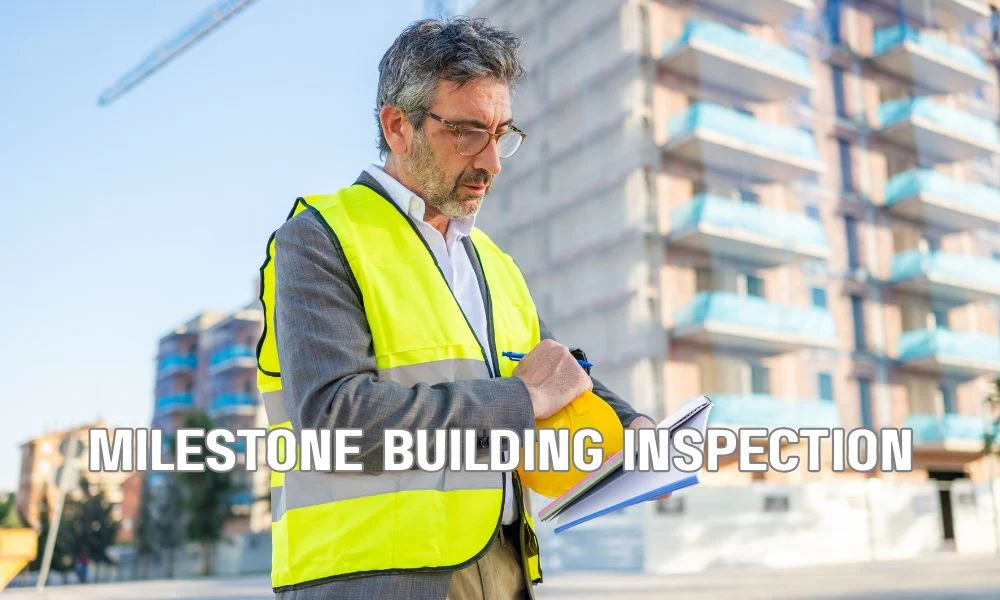
Florida SB-4D is a legislative act primarily designed to enhance the safety and structural integrity of condominium and cooperative buildings across the state, fundamentally altering how associations approach roof inspections and reserves. Specifically, it mandates Milestone Inspections for buildings three stories or higher when they reach 25 years of age (within three miles of the coast) or 30 years (inland), and every ten years thereafter, conducted by licensed architects or engineers to assess structural integrity, including the roof system’s condition. This legislation also requires associations to conduct Structural Integrity Reserve Studies (SIRS) for various components, including roofing, and prohibits waiving or underfunding these critical reserves.
How do Milestone Inspections differ from routine roof assessments?
Milestone Inspections significantly differ from routine commercial roof inspections by being a legally mandated, comprehensive structural evaluation rather than a general maintenance check. While routine assessments typically focus on identifying immediate repair needs and general wear, a Milestone Inspection, performed by a licensed professional, delves into the overall structural integrity, material degradation, and code compliance of the entire building envelope, including specific requirements for the roofing system as part of the structural components. These inspections carry legal weight and directly inform the association’s long-term financial planning and mandatory reserve funding under SB-4D.
Financial Planning & Reserve Funding for Commercial Roofs
Effective financial planning and robust reserve funding are the cornerstones of successful commercial roof management for HOAs and condos, directly impacting the association’s ability to undertake necessary replacements without resorting to burdensome special assessments. Without foresight and accurate capital planning, the immense cost of a new commercial roof can overwhelm association budgets and create significant financial strain for residents. A well-managed reserve fund reflects a board’s commitment to protecting property values and ensuring community stability.
Why are accurate reserve studies critical for roof replacement projects?
Accurate reserve studies are critical for roof replacement projects because they provide a realistic financial roadmap, projecting the lifespan of major components like roofing and estimating their future replacement costs. By identifying potential unfunded liabilities years in advance, these studies allow associations to systematically collect sufficient funds through regular assessments, thus avoiding the need for large, unexpected special assessments when a roof inevitably needs replacing. This proactive approach ensures financial stability, enhances property values, and minimizes financial burdens on homeowners.
What roofing materials offer the best ROI for Florida HOAs?
For Florida HOAs, the best return on investment (ROI) in roofing materials typically comes from options that combine long-term durability, hurricane resistance, and energy efficiency, despite potentially higher upfront costs. Materials like TPO, PVC, and standing seam metal roofing are particularly well-suited due to their resilience against harsh UV rays, torrential rain, and high winds, significantly outperforming less durable alternatives over their lifespan. While initial expense is a factor, their extended longevity and reduced maintenance needs translate into lower total cost of ownership.
Critical Fact 2: Under Florida law, associations cannot waive or underfund reserves for structural integrity components, including roofs, without a majority vote of the membership and a full understanding of the financial implications.
Here’s a comparison of common commercial roofing materials suitable for Florida:
| Feature | TPO (Thermoplastic Polyolefin) | PVC (Polyvinyl Chloride) | Modified Bitumen | Metal (e.g., Standing Seam) |
|---|---|---|---|---|
| Initial Cost | Medium | Medium to High | Low to Medium | High |
| Lifespan | 15-25 years | 20-30+ years | 10-20 years | 40-60+ years |
| Hurricane Resist. | Good | Excellent | Moderate | Excellent |
| UV Resistance | Excellent | Excellent | Good | Excellent |
| Maintenance | Low | Low | Moderate | Low |
| Suitability FL | Very High | Very High | Moderate (heat absorption) | Very High |
The Board Approval Process & Project Execution
Successfully navigating a major commercial roofing project, from initial assessment to final installation, requires a well-defined board approval process and disciplined project execution. This involves due diligence in contractor selection, transparent communication with residents, adherence to budgetary constraints, and robust oversight throughout the project lifecycle. Boards must operate with clear procedures to ensure accountability, achieve optimal results, and minimize disruptions for residents.
What is the typical board approval process for a major roof replacement?
The typical board approval process for a major commercial roof replacement and re-roofing project begins with an initial assessment by a qualified roofing consultant or engineer, identifying the scope of work and estimated costs. Next, the board solicits bids from multiple licensed and insured commercial roofing contractors, thoroughly vetting their proposals, references, and financial stability. Following bid review, a recommendation is made, often requiring a formal board vote at a public meeting, and potentially a membership vote if the cost exceeds certain thresholds or a special assessment is needed. Legal counsel review of contracts is also a crucial step before finalization.
How can HOAs ensure a successful roofing project from start to finish?
HOAs can ensure a successful roofing project by establishing clear communication channels, both internally with residents and externally with the chosen contractor. Key steps include developing a comprehensive contract outlining scope, timeline, materials, warranties, and payment schedule; designating a board liaison or project manager for consistent oversight; and conducting regular site visits to monitor progress and quality. Additionally, obtaining all necessary permits, ensuring proper insurance coverage from the contractor, and performing a thorough final inspection before releasing the last payment are vital for project success and peace of mind.
Long-Term Maintenance & Future-Proofing Your HOA Roof
Investing in a new commercial roof is a significant undertaking, but its longevity and performance are ultimately determined by consistent, proactive long-term maintenance and strategic planning for future environmental challenges. In Florida’s demanding climate, simply replacing a roof is not enough; associations must adopt a forward-thinking approach to protect this critical asset. This involves understanding preventative measures, anticipating future building codes, and adapting to evolving insurance landscapes.
What preventative maintenance strategies extend commercial roof lifespan?
Structured commercial roof maintenance and preventative maintenance programs significantly extend a commercial roof’s lifespan by addressing minor issues before they escalate into costly repairs or premature failure. Key strategies include annual or semi-annual professional inspections to identify potential problems like membrane damage, clogged drains, or compromised flashing. Regular debris removal, gutter cleaning, and promptly repairing any punctures, tears, or loose fasteners are also crucial. Establishing a routine maintenance schedule and keeping detailed records of all work performed helps ensure the roof remains in optimal condition and warranty requirements are met.
How can HOAs prepare for future hurricane seasons and insurance changes?
HOAs can prepare for future hurricane seasons and potential insurance changes by proactively upgrading to impact-resistant and wind-rated roofing materials that exceed current building codes where feasible. Regularly reviewing and updating insurance policies to ensure adequate coverage for replacement costs, wind damage, and potential increased deductibles is also vital. Engaging in preventative maintenance, maintaining meticulous records of all roof work, and obtaining wind mitigation inspections can help secure favorable insurance rates and streamline future claims, safeguarding the association’s financial health against unforeseen events.
Critical Fact 3: Proactive roof maintenance, including regular inspections and timely repairs, can extend a commercial roof’s lifespan by up to 25%, significantly reducing the long-term cost of ownership for HOAs and condos.
Frequently Asked Questions
What is the lifespan of a typical commercial roof in Florida?
The lifespan of a commercial roof in Florida varies greatly by material, but generally ranges from 15 to 30 years for common systems like TPO, PVC, or modified bitumen. Metal roofs can last 40-60+ years. Factors like installation quality, maintenance, and exposure to severe weather significantly impact longevity.
Are HOA boards personally liable for roof issues?
HOA board members are generally protected from personal liability by Florida’s corporate statutes and “business judgment rule” if they act in good faith, within their authority, and in the best interest of the association. Gross negligence or willful misconduct, however, can expose individual members to liability.
How often should an HOA have its commercial roof inspected?
An HOA should have its commercial roof professionally inspected at least once a year, and ideally twice a year (spring and fall), especially in Florida’s climate. Following severe weather events like hurricanes is also crucial. Milestone Inspections, as per SB-4D, are additional mandatory structural evaluations.
What happens if an HOA fails to comply with SB-4D Milestone Inspections?
Failure to comply with SB-4D Milestone Inspections can result in significant legal consequences, including fines, potential legal action from residents or authorities, and could even lead to building condemnation in extreme cases. Non-compliance also creates major liabilities for the association and its board.
Can residents refuse to pay a special assessment for a roof replacement?
Residents are generally legally obligated to pay special assessments approved by the association’s board or membership, as outlined in the governing documents. Failure to pay can lead to late fees, liens on their property, and potential foreclosure proceedings by the HOA.
What questions should an HOA ask a prospective roofing contractor?
An HOA should ask about the contractor’s licenses and insurance (liability and workers’ comp), experience with similar commercial HOA projects, references, warranties offered (material and labor), safety protocols, project management approach, and their plan for managing debris and resident disruption.
How does a wind mitigation inspection impact roofing insurance?
A wind mitigation inspection assesses a home’s ability to withstand high winds, identifying features like roof-to-wall attachments, roof shape, and secondary water resistance. Documenting these features can lead to significant discounts on homeowner’s insurance premiums in Florida.
Should an HOA consider a “cool roof” for energy efficiency?
Yes, an HOA should strongly consider a “cool roof” system for energy efficiency, especially in Florida’s hot climate. Cool roofs, often light-colored or reflective materials like white TPO or metal, reflect sunlight and absorb less heat, reducing cooling costs and potentially extending the roof’s lifespan.
