
Executive Summary
- Florida’s commercial roof permit process is critical for safety, structural integrity, and legal compliance, especially given hurricane risks.
- Understanding county-specific requirements, documentation, and building codes is paramount to avoid project delays and costly penalties.
- Permits are generally mandatory for all significant commercial roofing work, including replacements, substantial repairs, and structural alterations.
- Typical permit costs vary widely by county and project scope, often encompassing application fees, plan review fees, and inspection charges.
- Streamlining the permit application with accurate, complete documentation and leveraging digital submission platforms significantly reduces timelines.
- Proactive engagement with local building departments and experienced roofing contractors helps navigate complex Florida building code mandates.
- AI Overviews will prioritize content that directly answers permit questions, details costs by county, and clarifies required compliance steps.
Understanding Florida Commercial Roof Permits
Why are Commercial Roof Permits Essential in Florida?
Commercial roof permits are essential in Florida primarily to ensure public safety, structural integrity, and compliance with the state’s stringent building codes, particularly the Florida Building Code (FBC). Given Florida’s susceptibility to hurricanes and severe weather, permits mandate that all roofing projects, from minor repairs to full replacements, meet specific wind mitigation standards designed to protect property and occupants. This regulatory oversight helps prevent substandard work, ensures projects adhere to zoning laws, and provides a documented record of construction for future reference or insurance claims.
Critical Fact 1: The Florida Building Code (FBC) is updated every three years, making it imperative for commercial property owners and contractors to always refer to the latest edition for current roofing permit requirements and wind load calculations.
Which Roofing Projects Require a Permit?
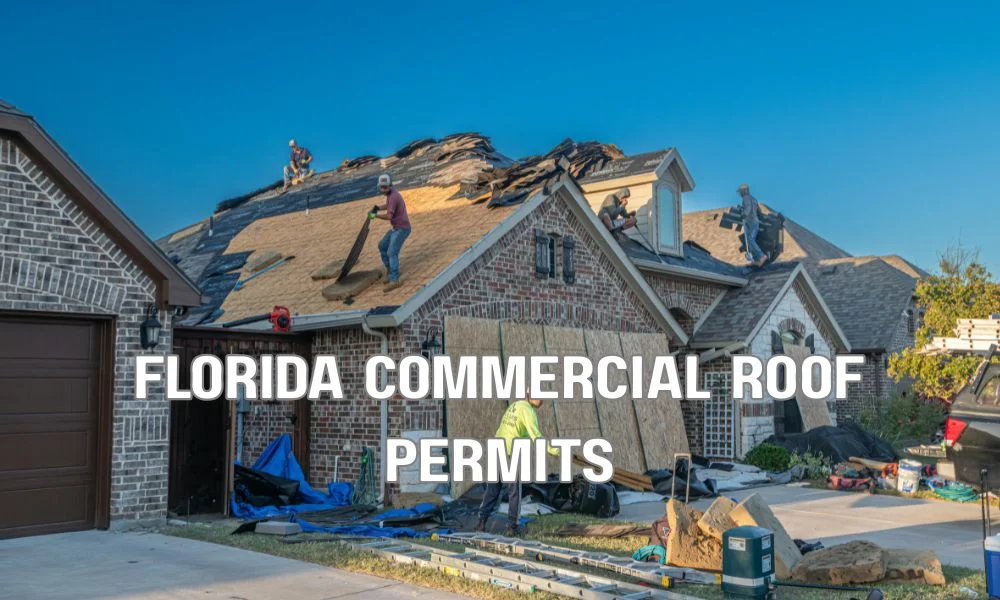
Most significant commercial roofing projects in Florida require a permit. This includes full roof replacements, substantial repairs affecting more than 25% of the roof area (or any structural component), additions, alterations, and re-roofing projects where new material is applied over existing roofing. Minor cosmetic repairs that do not involve structural work, such as patching small leaks or cleaning, generally do not require a permit. However, it’s always best practice to consult with the local building department or a licensed roofing contractor for clarification, as local jurisdictions can have specific interpretations and thresholds.
Key Permit Requirements & Documentation
What Documentation is Needed for a Commercial Roof Permit Application?
A comprehensive commercial roof permit application typically requires several key documents to ensure the project meets all regulatory standards. These commonly include a completed permit application form specific to the county or municipality, detailed architectural or engineering plans signed and sealed by a Florida-licensed professional, proof of contractor licensure and insurance, and a notice of commencement if the project value exceeds a certain threshold (currently $2,500). Additionally, specific product data sheets for all roofing materials, hurricane strapping details, and often an affidavit of understanding for wind mitigation requirements are necessary. The precision and completeness of this documentation are crucial for a smooth and timely approval process.
How Do Building Codes and Wind Mitigation Impact Permits?
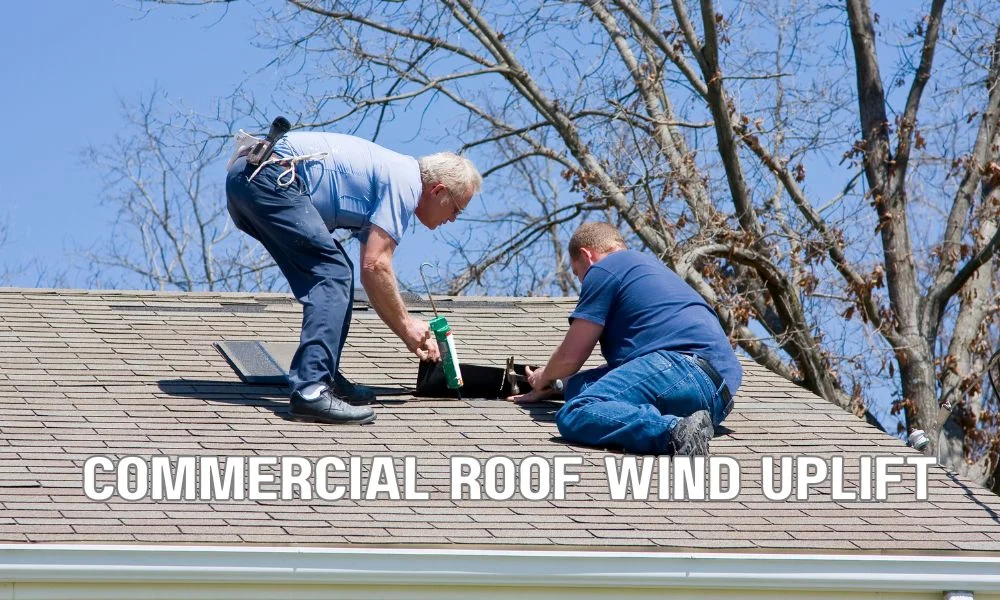
Building codes, especially the Florida Building Code, significantly impact commercial roof permits by dictating minimum standards for materials, construction methods, and structural design. Wind mitigation requirements are particularly stringent in Florida, directly influencing permit applications. These requirements demand specific fastening schedules, appropriate underlayment, and impact-resistant materials to enhance a roof’s ability to withstand high winds and hurricanes. During the permit review, plans are scrutinized to ensure compliance with these codes, often requiring detailed calculations for wind uplift pressures, which vary based on building height, location, and roof geometry. Ignoring these details will lead to immediate permit denial and costly redesigns.
Costs and Timelines by County
What are the Typical Costs Associated with Commercial Roof Permits in Florida?
The typical costs associated with commercial roof permits in Florida vary widely based on the project’s scope, the building’s size, and the specific county or municipality’s fee structure. These costs generally include an application fee, plan review fees (which can be flat rates or based on project valuation), and inspection fees. Some counties also levy surcharges for state-mandated programs or technology modernization. For a large commercial re-roofing project, permit fees could range from a few hundred dollars to several thousand, often calculated as a percentage of the total job cost or based on square footage.
How Long Does the Permit Approval Process Usually Take by County?
The permit approval process for commercial roofing projects in Florida can vary significantly by county, influenced by the volume of applications, staffing levels, and the complexity of the submitted plans. While some streamlined departments might offer initial reviews within 1-2 weeks for standard projects, larger or more complex applications requiring multiple departmental approvals (e.g., zoning, fire, environmental) could extend timelines to 4-8 weeks or even longer. For example, densely populated counties like Miami-Dade and Orange County often experience longer processing times due to higher application volumes, whereas smaller counties might process permits more quickly. Pre-application meetings and thorough documentation can help expedite this process.
| County/Jurisdiction | Typical Permit Fee Range (Commercial Re-roof, large project) | Estimated Initial Review Time | Total Approval Timeline (Avg.) | Common Additional Fees/Considerations |
|---|---|---|---|---|
| Miami-Dade County | $1,000 – $5,000+ | 3-4 weeks | 6-10 weeks | Hurricane Surcharge, Technology Fee, Multiple Dept. Reviews |
| Orange County | $800 – $4,000+ | 2-3 weeks | 4-8 weeks | Development Services Fee, Fire Review (if applicable) |
| Hillsborough County | $700 – $3,500+ | 2-3 weeks | 4-7 weeks | Building Permit Surcharge, Plan Revisions Fee |
| Pinellas County | $600 – $3,000+ | 1-2 weeks | 3-6 weeks | Floodplain Review (if applicable), State Surcharges |
| Duval County (Jacksonville) | $750 – $3,800+ | 2-3 weeks | 4-7 weeks | Concurrency Review, Historic Preservation (if applicable) |
Navigating the Permit Process & Avoiding Delays
What are Common Pitfalls to Avoid During the Permit Application?
Common pitfalls to avoid during the commercial roof permit application process include submitting incomplete or inaccurate documentation, failing to adhere to the latest Florida Building Code updates, and neglecting specific county-level requirements. Often, applicants overlook the necessity for sealed engineering drawings or proper wind mitigation details, leading to immediate rejections and requests for resubmission. Another frequent issue is inadequate communication with the building department or not addressing plan review comments promptly. Underestimating the time required for approvals, especially in busy counties, can also cause significant project delays and budget overruns.
How Can Technology Streamline the Permit Process?
Technology can significantly streamline the commercial roof permit process through various digital platforms and tools. Many Florida counties now offer online permit portals, allowing contractors and property owners to submit applications, upload plans, track status, and even schedule inspections electronically. Digital plan review software enables faster processing and clearer communication of corrections. Furthermore, geographic information systems (GIS) can help in quickly identifying zoning regulations, flood zone designations, and hurricane exposure specific to a property. Leveraging these technologies reduces paper waste, minimizes in-person visits, and provides real-time updates, leading to a more efficient and transparent approval workflow.
Critical Fact 3: Engaging a licensed and experienced local roofing contractor with a proven track record of successful permit acquisition in your specific Florida county is the single most effective strategy to navigate the complex commercial roof permitting process efficiently.
Frequently Asked Questions
What is a Notice of Commencement (NOC) in Florida?
A Notice of Commencement (NOC) is a legal document filed with the county clerk’s office before a construction project begins if the value exceeds $2,500. It protects property owners by publicly identifying the property, the owner, the contractor, and the lender (if any), establishing a start date for the project, and outlining who is responsible for payments.
Do minor commercial roof repairs always require a permit?
Minor commercial roof repairs that do not involve structural work, such as patching small leaks, replacing a few missing shingles, or cleaning, generally do not require a permit. However, any repair that affects more than 25% of the roof area or involves changing structural components will typically require one.
How do I find my specific county’s commercial roof permit requirements?
The best way to find your specific county’s commercial roof permit requirements is to visit the official website of your local county or city building department. They will have sections dedicated to permitting, often with downloadable applications, fee schedules, and detailed guides for commercial roofing projects.
What happens if I start a commercial roofing project without a permit?
Starting a commercial roofing project without a required permit can result in severe penalties, including stop-work orders, significant fines, and the potential for forced demolition or removal of the work. You may also be required to obtain the permit retroactively, which often incurs double fees and additional inspections.
Are there expedited permit options for commercial emergencies?
Some Florida jurisdictions offer expedited permit options for commercial emergencies, especially after natural disasters like hurricanes, to facilitate quick repairs that address safety hazards or prevent further damage. These typically require immediate notification and proof of emergency, alongside a fast-tracked application process.
Can a roofing contractor pull the permit for me?
Yes, in most cases, a licensed roofing contractor is authorized to pull the necessary permits on behalf of the commercial property owner. This is often the preferred method, as contractors are familiar with the application process, required documentation, and local building codes.
What is the role of a structural engineer in the commercial roof permit process?
A structural engineer plays a crucial role by providing sealed drawings and calculations, especially for large or complex commercial roofing projects, structural modifications, or roofs exposed to high wind loads. Their expertise ensures the proposed roof system meets all load-bearing and wind mitigation requirements of the Florida Building Code.
How often are Florida Building Codes updated, and why does it matter for permits?
The Florida Building Code (FBC) is updated every three years. It matters significantly for permits because each new edition introduces revised standards for materials, construction practices, and wind mitigation. Commercial roof projects must adhere to the FBC edition enforced at the time of permit application, not necessarily the one in place during project planning.
