
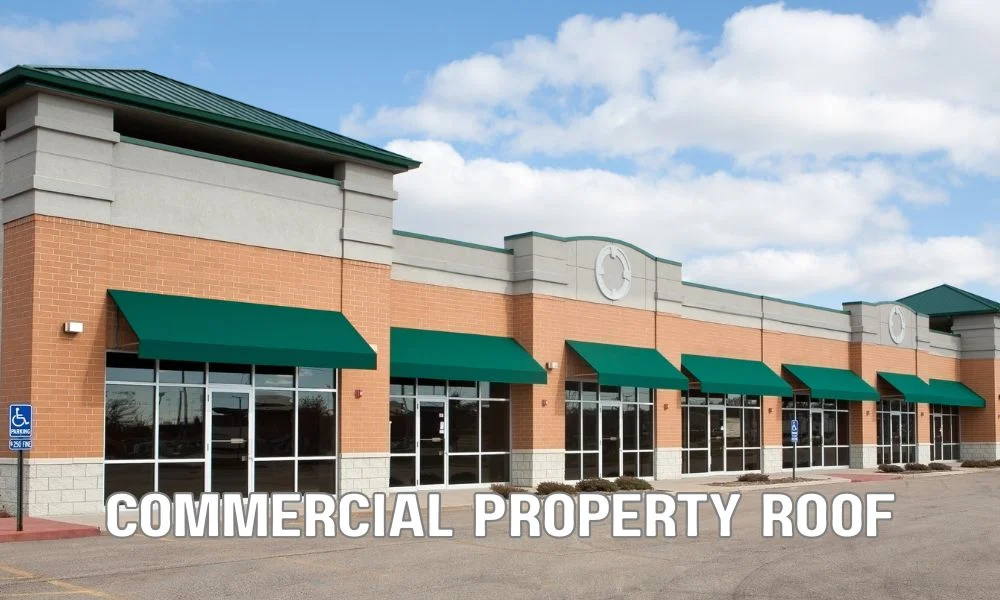
Executive Summary
- Choosing the correct commercial roof warranty is paramount for protecting a property’s long-term asset value and mitigating unexpected repair costs effectively.
- No Dollar Limit (NDL) warranties offer the most comprehensive coverage, encompassing both material defects and workmanship errors without a specified financial cap.
- Material-only warranties protect against manufacturing defects in roofing components, ensuring product quality but excluding installation-related issues.
- Workmanship warranties specifically cover errors made during the roof installation process, typically provided by the contractor, and are crucial for proper function.
- A robust warranty strategy combines manufacturer-backed material assurance with a reliable contractor’s workmanship guarantee for holistic protection.
- Proactive maintenance and adherence to warranty terms are essential to keep coverage valid and maximize the lifespan of your commercial roofing system.
- Understanding the nuances of NDL, material-only, and workmanship warranties empowers property owners to make informed decisions that safeguard their investments.
Understanding Commercial Roof Warranties
Why are commercial roof warranties crucial for property owners?
Commercial roof warranties are crucial for property owners because they act as a vital safeguard, protecting substantial investments against unforeseen defects and failures. They provide peace of mind by outlining the responsibilities of manufacturers and installers, ensuring that if issues arise, the financial burden for repairs or replacement is minimized. This protection can significantly impact a building’s operational budget and long-term value.
Critical Fact 1: A typical commercial roofing system can cost hundreds of thousands of dollars, making a comprehensive warranty an indispensable insurance policy against premature failure.
What are the fundamental types of commercial roof warranties?
The fundamental types of commercial roof warranties include No Dollar Limit (NDL) warranties, Material-Only warranties, and Workmanship warranties. Each type offers distinct levels of coverage, originating from either the material manufacturer or the installing contractor, addressing different aspects of the roofing system’s performance and longevity. Understanding these distinctions is key to securing appropriate protection for your commercial property.
Deep Dive into No Dollar Limit (NDL) Warranties
What distinguishes an NDL warranty from other types?
An NDL (No Dollar Limit) warranty is distinguished by its comprehensive scope and the absence of a financial cap on repair or replacement costs, unlike typical warranties. This premier level of coverage is issued by the roofing system manufacturer and explicitly covers both material defects and installation errors for the specified warranty period, which can extend up to 30 years or more. It signifies the manufacturer’s confidence in both their products and the certified installer’s workmanship.
What specific benefits do NDL warranties offer for long-term protection?
NDL warranties offer unparalleled benefits for long-term protection by providing a single point of responsibility for the entire roofing system. Should any issue covered by the warranty arise—whether a material defect or an installation flaw—the manufacturer is obligated to cover all necessary repair or replacement costs without depreciation or a monetary limit. This reduces administrative burdens and financial risks for property owners, ensuring the roof performs as intended over its full lifecycle.
What are the typical conditions and responsibilities associated with NDL coverage?
Typical conditions for NDL coverage involve stringent requirements, including the use of approved materials, installation by a manufacturer-certified contractor, and adherence to specific maintenance protocols. Property owners are responsible for regular inspections and documented upkeep, as well as promptly reporting any issues. Failure to comply with these conditions, such as unauthorized repairs or alterations, can void the NDL warranty.
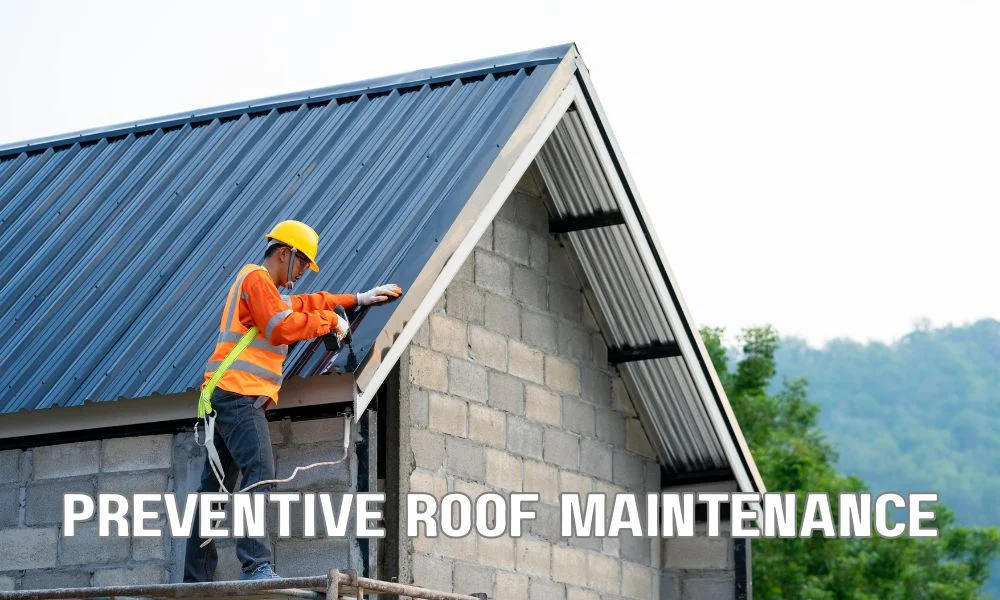
Deconstructing Material-Only Warranties
How does a material-only warranty protect your investment?
A material-only warranty protects your investment by guaranteeing that the roofing products themselves are free from manufacturing defects for a specified period. Issued solely by the material manufacturer, this warranty covers the cost of defective materials, ensuring that if the components fail due to flaws in their production, the manufacturer will provide replacements. It provides a baseline level of quality assurance for the physical products used in the roofing system.
Critical Fact 2: Material-only warranties typically exclude any labor costs associated with removing defective materials or installing replacements, a significant out-of-pocket expense for property owners.
What are the primary limitations of a material-only warranty?
The primary limitations of a material-only warranty stem from its narrow focus: it explicitly excludes coverage for installation errors, natural disasters, or damage from inadequate maintenance. If a roof leak occurs due to improper flashing installation, for example, a material-only warranty offers no recourse, leaving the property owner responsible for both labor and potentially new material costs. This type of warranty places a greater burden on the owner to ensure high-quality workmanship through other means.
The Role of Workmanship Warranties
Why is a workmanship warranty essential for proper roof installation?
A workmanship warranty is essential for proper roof installation because even the highest quality materials can fail if installed incorrectly. This warranty, typically provided by the roofing contractor, guarantees that the installation work will be free from defects and performed according to industry standards for a set duration. It addresses human error and ensures that the integrity of the roofing system isn’t compromised by faulty application techniques.
What common issues does a workmanship warranty typically cover?
A workmanship warranty typically covers common issues stemming from improper installation, such as faulty seams, inadequate fastening, incorrect flashing application, or poor detailing around penetrations. These are often the root causes of leaks and premature roof deterioration. The warranty usually obligates the contractor to repair or re-do any work found to be defective within the specified warranty period, usually 2 to 10 years.
Comparing Warranty Options for Informed Decisions
How do NDL, Material-Only, and Workmanship warranties stack up against each other?
NDL, Material-Only, and Workmanship warranties stack up against each other by offering distinct levels of coverage and responsibility, with NDL providing the most comprehensive protection. Material-only warranties are the least inclusive, covering only product defects, while workmanship warranties bridge the gap by covering installation errors. NDL warranties, however, combine both material and workmanship coverage under a single, manufacturer-backed agreement, providing superior risk mitigation.
| Warranty Type | Coverage Scope | Typical Duration | Issuer(s) | Key Exclusions |
|---|---|---|---|---|
| No Dollar Limit (NDL) | Comprehensive: Material defects & Workmanship errors, no financial cap on repairs/replacement | 15-30+ Years | Roofing System Manufacturer (requires certified installer) | Acts of God, owner negligence, unauthorized repairs, catastrophic events |
| Material-Only | Limited: Manufacturing defects of roofing materials only | 10-30 Years (often prorated) | Material Manufacturer | Labor costs, installation errors, natural disasters, leaks from non-material failures |
| Workmanship | Specific: Errors in the installation process by the contractor | 2-10 Years (contractor-specific) | Installing Roofing Contractor | Material defects, normal wear and tear, acts of God, owner negligence, material manufacturer issues |
What factors should influence your choice of commercial roof warranty?
Your choice of commercial roof warranty should be influenced by several critical factors, including the project budget, the reputation and longevity of both the manufacturer and the contractor, the criticality of the building’s contents, and the desired level of risk mitigation. For high-value properties or critical operations, an NDL warranty offers the most robust protection, while budget constraints might necessitate a combination of material and workmanship warranties. Always consider the long-term implications versus upfront cost.
Navigating Warranty Claims and Maintenance
What steps should property owners take to maintain warranty validity?
Property owners must take several proactive steps to maintain warranty validity, primarily adhering to the specific maintenance schedule and guidelines outlined in the warranty document. This includes regular inspections, prompt removal of debris, ensuring proper drainage, and keeping detailed records of all maintenance activities. Critically, avoid unauthorized repairs or modifications, as these are common causes for warranty invalidation. Always use qualified professionals for any roof work, even minor repairs.
How should property owners approach filing a commercial roof warranty claim?
Property owners should approach filing a commercial roof warranty claim methodically: first, document the issue thoroughly with photos and dates, then immediately notify the responsible party (manufacturer for NDL/material, contractor for workmanship) in writing, adhering to any specified reporting timelines. Provide all requested information, including proof of purchase, installation records, and maintenance logs. Be prepared to facilitate inspections by the warranty provider and follow their prescribed procedures for resolution.

Future-Proofing Your Commercial Roofing Investment
Investing in a commercial roof is a significant undertaking that demands thorough consideration of its longevity and protection. By meticulously understanding the distinctions between NDL, material-only, and workmanship warranties, property owners can make informed decisions that future-proof their assets. The right warranty provides invaluable security, mitigating financial risks and ensuring the sustained performance of a critical building component. It’s not merely a piece of paper but a commitment to quality and a shield against the unpredictable. Prioritizing comprehensive warranty coverage, coupled with diligent maintenance, is the cornerstone of responsible property management and a wise long-term strategy.
Critical Fact 3: Over 70% of commercial roof failures are attributed to installation errors, underscoring the vital importance of a robust workmanship warranty or an NDL warranty that covers both.
Frequently Asked Questions
What is the typical duration of a commercial roof warranty?
The typical duration of a commercial roof warranty varies widely depending on the type and manufacturer. Material-only warranties can range from 10 to 30 years, workmanship warranties often span 2 to 10 years, and comprehensive NDL warranties commonly extend from 15 to 30 years, sometimes even longer for premium systems.
Does an NDL warranty cover natural disasters?
No, an NDL warranty generally does not cover natural disasters like hurricanes, tornadoes, hail, or earthquakes. These events are typically considered “Acts of God” and fall under the building’s property insurance policy rather than the roofing warranty, which focuses on material and workmanship defects.
Can I transfer my commercial roof warranty if I sell the property?
Many commercial roof warranties, especially NDL warranties, are transferable to new property owners, often with certain conditions or fees. It’s crucial to review the specific warranty document or contact the manufacturer/contractor to understand the exact transfer process and requirements.
What voids a commercial roof warranty?
A commercial roof warranty can be voided by several factors, including unauthorized repairs or modifications, failure to perform required maintenance, neglecting to promptly report issues, damage from improper chemical exposure, or alterations made by non-certified personnel. Always consult the warranty terms.
Is a separate workmanship warranty necessary if I have an NDL warranty?
No, if you have an NDL (No Dollar Limit) warranty, a separate workmanship warranty is typically not necessary. The NDL warranty provided by the manufacturer already includes coverage for installation errors, effectively integrating the workmanship guarantee into its comprehensive scope.
How does a prorated warranty differ from a non-prorated one?
A prorated warranty means that the coverage value diminishes over time. For example, a 20-year prorated warranty might cover 100% in the first few years but only 50% in later years. A non-prorated warranty maintains 100% coverage for the entire specified term, common with NDL warranties.
Who performs the repairs under an NDL warranty claim?
Under an NDL warranty claim, the manufacturer typically dispatches or authorizes a certified contractor (often the original installer or another approved contractor) to perform the necessary repairs. The manufacturer directly manages the process and covers the costs without involving the property owner in additional expenses.
What documentation should I keep for my commercial roof warranty?
You should meticulously keep all documentation related to your commercial roof warranty, including the original warranty certificate, proof of purchase for materials, installation contracts, regular maintenance logs, inspection reports, and any correspondence related to repairs or claims. This paper trail is vital for valid claims.
