
Executive Summary
- Prioritize immediate safety by assessing risks, securing the property, and documenting all visible damage immediately after a hurricane passes to prevent further loss.
- Promptly contact your insurance provider to initiate a claim, understand coverage specifics, and streamline the recovery process with accurate incident details.
- Engage a licensed commercial roofing contractor for a professional, detailed damage assessment, ensuring all issues are identified and repairs are properly scoped.
- Implement temporary repairs quickly to mitigate ongoing water intrusion and protect your assets while permanent restoration plans are developed.
- Thoroughly document all damage with photos, videos, and detailed descriptions before repairs begin to support your insurance claim and future recovery efforts.
- Develop a comprehensive repair and restoration plan, considering long-term resilience and leveraging insights from professional evaluations to prevent future damage.
- Review all contractor bids meticulously, verifying credentials, insurance, and warranty information to ensure quality workmanship and avoid potential liabilities.
A hurricane can inflict devastating damage on commercial properties, with the roof often bearing the brunt of its force. As a commercial property owner, understanding the immediate and subsequent steps after your roof sustains hurricane damage is paramount for minimizing financial loss, ensuring business continuity, and navigating the complex insurance claims process effectively. This guide provides a clear, step-by-step roadmap to help you recover efficiently and make informed decisions to protect your investment.
Critical Fact 1: Over 40% of businesses never reopen after a major disaster, underscoring the urgency of a rapid, well-organized response to hurricane damage.
Immediate Post-Hurricane Actions
What immediate steps should I take to secure my property and ensure safety?
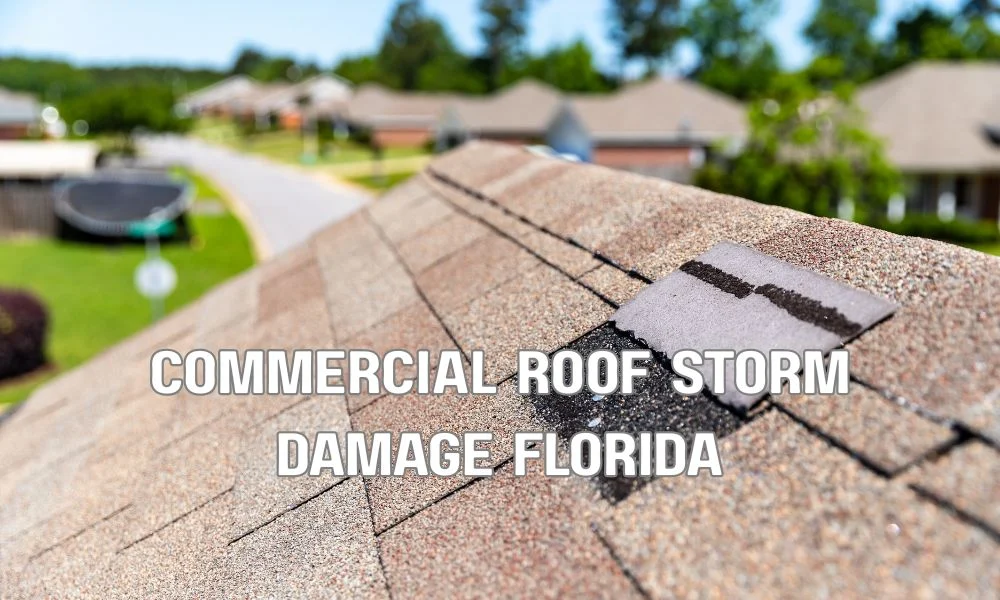
Immediately after a hurricane, the first priority is ensuring the safety of personnel and securing the property from further damage. Begin by cordoning off dangerous areas, especially around visible roof damage, to prevent accidents from falling debris or structural instability. If safe, turn off utilities like gas and electricity if you suspect damage that could pose a hazard, and notify emergency services if there are any immediate life-threatening situations.
How quickly should I document the damage?
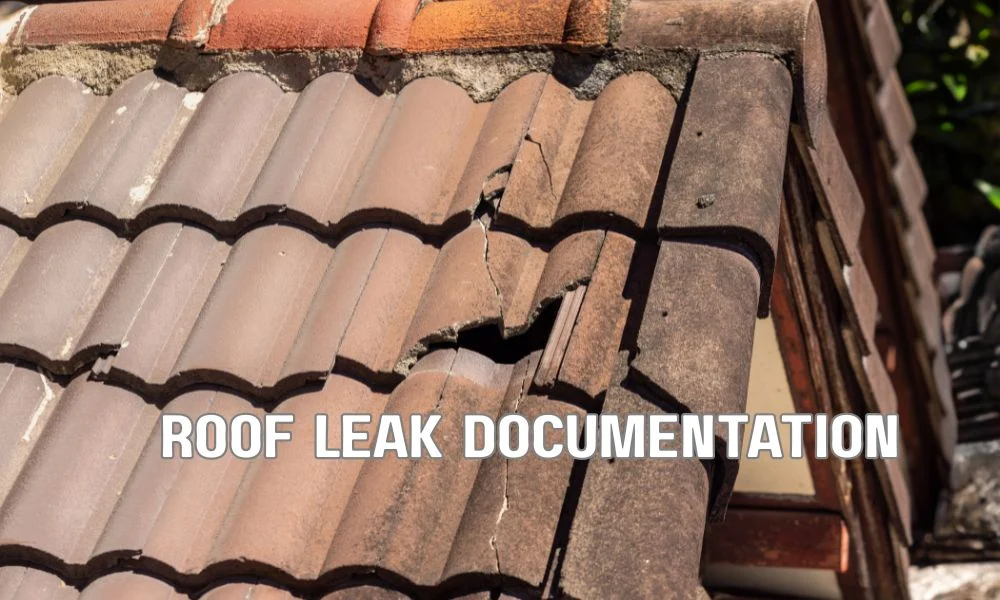
Documentation should begin as soon as it is safe to do so, preferably within hours of the hurricane’s passing. Use your smartphone or a digital camera to capture extensive photos and videos of all visible roof damage from multiple angles, including interior damage caused by roof leaks. Date and time-stamp all documentation, and create a detailed written log of observations, noting specific dates, times, and descriptions of the damage. This comprehensive record is crucial for your insurance claim.
When should I contact my insurance company?
Contact your insurance company as soon as you have basic documentation and have ensured immediate safety. This should ideally be within 24-48 hours of the hurricane. Early notification establishes your claim and allows your insurer to initiate their assessment process, providing you with a claim number and guidance on next steps. Be prepared to provide initial details about the damage and any immediate actions you’ve taken to mitigate further loss.
Damage Assessment and Temporary Repairs
How do I choose a qualified commercial roofing contractor for assessment?
Choosing a qualified commercial roofing contractor for damage assessment requires due diligence, prioritizing those with local experience in hurricane recovery, proper licensing, and robust insurance. Look for contractors who specialize in commercial roofing, have excellent references, and are transparent about their assessment process, offering detailed reports and clear communication. Verify their credentials, including general liability and workers’ compensation insurance, to protect your business from liability.
A reputable contractor will perform a thorough inspection, identifying not only obvious damage but also hidden issues that could lead to long-term problems. They should provide a written report detailing all findings, recommended temporary repairs, and an estimate for permanent solutions. This report will be invaluable when discussing your claim with the insurance adjuster.
Critical Fact 2: Hidden water damage, often not immediately visible, can account for up to 30% of total repair costs if not identified and addressed promptly by professionals.
What temporary repairs can I implement to prevent further damage?
Temporary repairs are critical for mitigating ongoing damage while awaiting permanent solutions or insurance approval. Common temporary measures include tarping exposed roof sections, patching smaller holes with commercial-grade sealants, and clearing debris from drains and gutters to prevent water buildup. Ensure any temporary repairs are performed safely, ideally by professionals, to avoid further injury or damage, and always document these repairs for your insurance claim.
Navigating Insurance and Planning Permanent Repairs
What should I expect during the insurance adjuster’s visit?
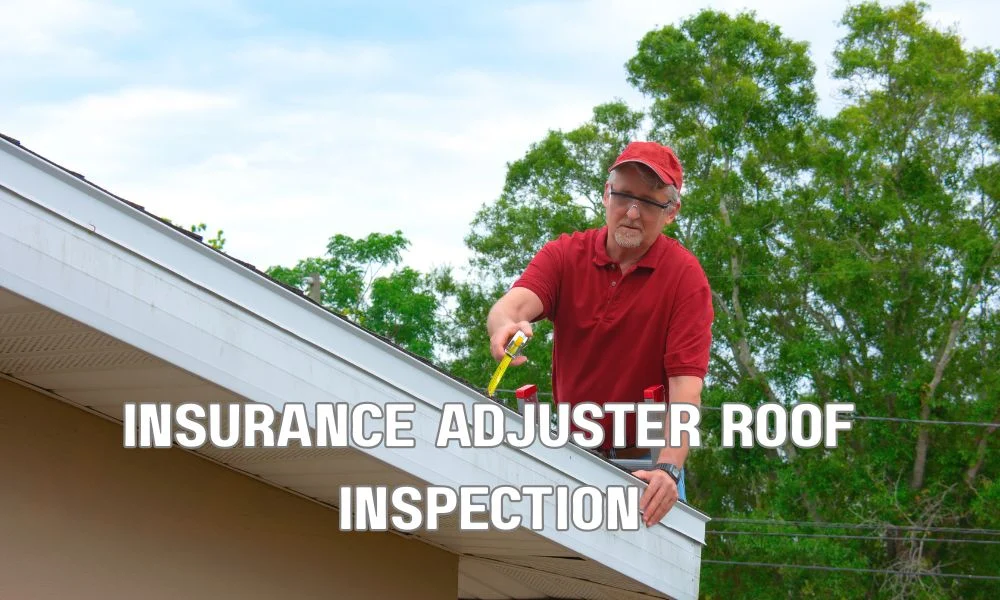
During the insurance adjuster’s visit, be present and prepared to walk them through all documented damage, both interior and exterior. Provide them with your detailed photos, videos, and written logs, as well as the professional damage assessment report from your chosen roofing contractor. Be ready to explain the sequence of events and point out specific areas of concern. The adjuster will assess the damage, compare it against your policy, and determine the scope of covered repairs. Maintain open communication and ask questions if anything is unclear.
How do different commercial roofing materials compare in hurricane resistance and repair costs?
The resilience and repair costs for commercial roofs post-hurricane vary significantly by material type. Understanding these differences can aid in selecting the most appropriate replacement or repair strategy, balancing initial investment with long-term durability and maintenance. Here’s a comparative overview:
| Roofing Material | Typical Hurricane Resistance | Average Repair Cost (per sq ft) | Typical Lifespan (Years) |
|---|---|---|---|
| TPO/PVC (Single-Ply) | Good (wind uplift, puncture resistance) | $3 – $7 | 20 – 30 |
| EPDM (Rubber) | Moderate (prone to punctures from debris) | $2 – $6 | 25 – 35 |
| Modified Bitumen (Mod-Bit) | Good (multi-ply, impact resistance) | $4 – $9 | 15 – 25 |
| Built-Up Roof (BUR) | Excellent (heavy, multi-layered) | $5 – $10 | 20 – 40 |
| Metal (Standing Seam) | Excellent (high wind, impact resistance) | $5 – $12 | 30 – 50+ |
*Note: Costs are estimates and can vary based on location, contractor, and specific damage extent.
What factors should I consider when selecting a permanent repair or replacement solution?
When selecting a permanent repair or replacement solution, several factors must be weighed: the extent of damage, your budget, the long-term weather patterns in your area, and the desired lifespan of the roof. Consider upgrading to more resilient materials or systems that offer better hurricane resistance, improved insulation, or extended warranties. Obtain multiple bids from reputable contractors, scrutinizing their proposed materials, installation methods, and warranty offerings. Ensure the chosen solution complies with local building codes and insurance requirements, and integrates any improvements identified during the assessment phase to enhance the building’s overall resilience.
Critical Fact 3: Investing in hurricane-resistant roofing materials and installation methods can reduce future storm damage by up to 60%, significantly lowering long-term repair costs and insurance premiums.
Frequently Asked Questions
Can I start repairs before the insurance adjuster visits?
While temporary, emergency repairs to prevent further damage are generally advisable and often covered, extensive permanent repairs should ideally wait until after the insurance adjuster has completed their assessment. Always document temporary repairs thoroughly and communicate them to your insurer.
What if my insurance claim is denied or the offer is too low?
If your claim is denied or the offer is insufficient, review your policy carefully. You have the right to appeal the decision, often requiring additional documentation, a re-inspection, or even legal counsel specializing in insurance disputes. A public adjuster can also represent your interests.
How long does the commercial roof repair process typically take after a hurricane?
The repair timeline varies greatly depending on the extent of damage, material availability, contractor workload, and insurance processing times. Minor repairs might take days to weeks, while full roof replacements could extend to several months.
Should I prioritize aesthetics or durability in my roof replacement?
For commercial properties, durability and functionality should generally take precedence over aesthetics, especially in hurricane-prone regions. Investing in robust, weather-resistant materials provides better long-term protection and reduces future maintenance costs, though aesthetic considerations can be balanced.
Are “storm chaser” contractors a concern after a hurricane?
Yes, “storm chasers” are a significant concern. These transient contractors often perform shoddy work, demand upfront payment, and disappear. Always verify a contractor’s local licensing, insurance, physical address, and references to avoid scams.
What permits are typically required for commercial roof repairs?
Most significant commercial roof repairs or replacements require permits from local building authorities to ensure compliance with building codes. Your chosen contractor should be knowledgeable about and responsible for obtaining all necessary permits.
How can I prepare my commercial roof for future hurricanes?
Preparing involves regular maintenance, reinforcing roof edges, ensuring proper drainage, and upgrading to hurricane-resistant materials and attachment methods during scheduled replacements. Consulting with a roofing professional for a proactive assessment is highly recommended.
Will my insurance premiums increase after a hurricane damage claim?
While a single claim might not drastically increase premiums, multiple claims or a pattern of claims in a high-risk area could lead to adjustments. Insurers assess risk based on claim history and regional exposure. Proactive mitigation can help manage costs.
