
Executive Summary
- Selecting the right hurricane-rated commercial roofing system is paramount for mitigating catastrophic damage and ensuring business continuity in regions prone to extreme weather events like Florida’s Category 4 hurricanes.
- Robust systems such as mechanically fastened TPO, fully adhered EPDM, and structural metal roofs designed to withstand extreme uplift pressures are crucial for severe storm resilience.
- Strict adherence to Florida Building Code (FBC) standards, including enhanced wind load requirements and impact resistance, is non-negotiable for new installations and significant roof repairs.
- Superior installation quality, performed by certified professionals, directly impacts a roof’s ability to perform under duress, often more so than material choice alone.
- Proactive, regular maintenance and immediate post-storm inspections are essential for identifying vulnerabilities and preserving the integrity and longevity of any hurricane-resistant roof system.
- Investing in advanced hurricane-rated systems offers significant long-term ROI through reduced insurance premiums, fewer costly repairs, and enhanced protection of commercial assets and operations.
Florida’s susceptibility to powerful hurricanes necessitates a specialized approach to commercial roofing, where standard solutions often fall short. A Category 4 hurricane, characterized by sustained winds of 130-156 mph, exerts immense pressure, suction, and impact forces on building envelopes, making the roof a primary point of failure. Surviving such an event requires more than just durable materials; it demands a fully integrated system designed, installed, and maintained to the highest standards, specifically engineered to defy the destructive power of nature. This guide delves into the specifics of what truly endures a Cat 4 hurricane in Florida, focusing on systems that offer proven resilience.
Critical Fact 1: The Florida Building Code (FBC) mandates some of the strictest wind uplift and impact resistance standards in the nation, particularly for High-Velocity Hurricane Zones (HVHZ) like Miami-Dade and Broward counties, significantly influencing commercial roofing specifications statewide.
Understanding Hurricane Forces & Building Codes
What are the primary wind forces a commercial roof must withstand in a Cat 4 hurricane?
In a Category 4 hurricane, a commercial roof primarily contends with three destructive wind forces: uplift, positive pressure, and negative pressure (suction), in addition to wind-borne debris impact. Uplift forces, particularly severe at roof perimeters and corners, attempt to peel the roof system off the structure due to pressure differentials.
Positive pressure occurs when wind directly hits a surface, pushing inward, while negative pressure (suction) is created as wind flows over the roof, pulling upward. These forces can compromise the roof’s attachment points, membrane integrity, and structural components. Furthermore, wind-borne debris—ranging from small gravel to large construction materials—acts as projectiles, causing punctures and tears that expose the roof’s underlying layers to water intrusion and further wind damage.
How do Florida Building Codes specifically address commercial roof hurricane resistance?
Florida Building Codes (FBC) comprehensively address commercial roof hurricane resistance through rigorous requirements for wind uplift, impact resistance, and material approvals. The FBC differentiates requirements based on wind design speed maps, which classify areas by their vulnerability to hurricane-force winds, with HVHZ having the most stringent standards.
Roofs must be designed and installed to resist prescribed wind uplift pressures, often necessitating specialized fastening patterns for membranes and robust attachment of insulation and decking. Impact resistance is crucial, especially in areas where wind-borne debris is prevalent, leading to requirements for materials and assemblies to pass tests like FM 4470 and UL 2218, simulating projectile impacts. Additionally, all roofing products must undergo extensive testing and approval processes to ensure they meet FBC and HVHZ compliance for use in hurricane-prone regions.
Key Hurricane-Rated Roofing Systems
Which roofing systems offer the best protection against extreme wind uplift and projectile impact?
The roofing systems that offer the best protection against extreme wind uplift and projectile impact in Florida’s severe hurricane zones are typically mechanically fastened or fully adhered Single-Ply membranes (TPO, EPDM, PVC), structural metal roofing, and highly reinforced Modified Bitumen systems. Mechanically fastened single-ply systems use a dense pattern of fasteners to secure the membrane directly to the deck, effectively resisting uplift across the field of the roof.
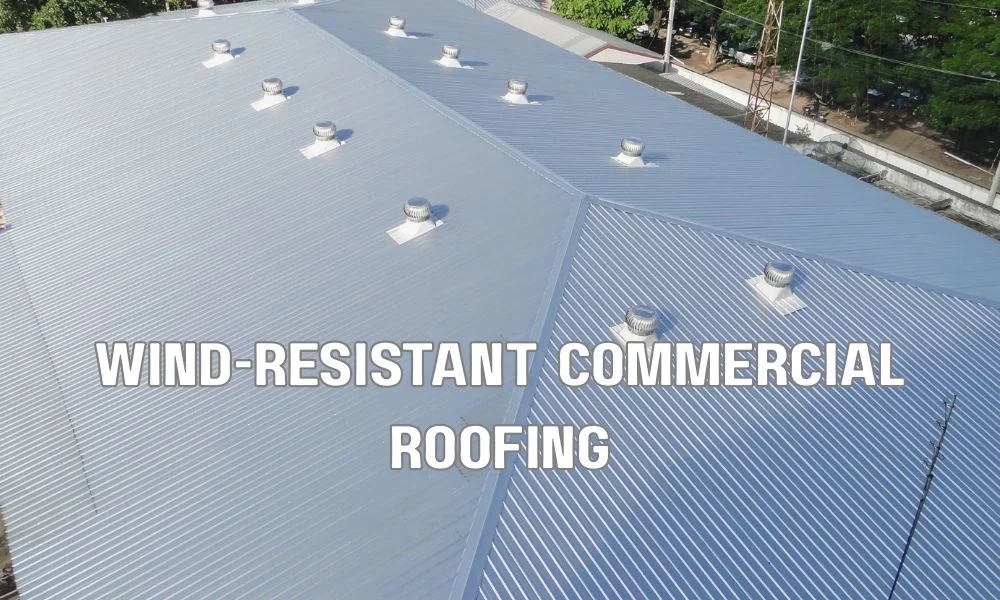
Fully adhered single-ply systems, often preferred for their uniform uplift resistance and superior impact performance (especially with thicker membranes), bond the entire membrane surface to the substrate. Structural metal roofs, particularly standing seam systems, provide exceptional wind resistance due to their interlocking panels and robust fastening to purlins, and many are highly impact-resistant. Reinforced modified bitumen systems, installed in multiple plies with robust adhesives or hot asphalt, also offer significant resilience against wind and debris.
What certifications or standards should I look for in hurricane-rated roofing materials?
When selecting hurricane-rated roofing materials, look for certifications from reputable third-party testing agencies that validate a product’s performance against severe weather. Key certifications and standards include: FM Approvals (Factory Mutual) Class 1 ratings (e.g., FM 4470 for wind uplift and hail resistance), which denote superior performance in property loss prevention. Underwriters Laboratories (UL) listings, such as UL 580 for uplift resistance and UL 2218 for impact resistance, are also critical indicators of durability.
Specific to Florida, compliance with the Florida Product Approval (FPA) system is mandatory, ensuring materials meet the stringent FBC requirements for hurricane zones. Additionally, always verify that the product’s Notice of Acceptance (NOA) for Miami-Dade County (HVHZ) is current and applies to your specific installation method, as these are some of the most rigorous standards globally.
Critical Fact 2: While material choice is important, the failure of hurricane-rated commercial roofs often stems from improper installation techniques, particularly at perimeter edges, corners, and penetrations, where wind uplift forces are concentrated.
Can existing commercial roofs be upgraded to meet higher hurricane resistance standards?
Yes, many existing commercial roofs can be upgraded to meet higher hurricane resistance standards, though the feasibility and scope depend heavily on the current roof’s condition, age, and existing structure. Upgrades often involve enhancing fastening patterns for existing membranes, adding cover boards for increased impact resistance, or installing new, more robust insulation and membrane systems over the existing one (if permitted by code).
Perimeter and corner enhancements, such as additional fastening bars or liquid-applied reinforcements, are common for improving uplift resistance. In some cases, a full tear-off and replacement with a specifically engineered hurricane-rated system may be the most cost-effective and reliable long-term solution, especially if the underlying deck or insulation is compromised. Consulting with a qualified commercial roofing engineer is essential to assess the existing structure and determine the most effective upgrade path.
Installation, Maintenance, and Longevity
What role does professional installation play in a roof’s hurricane resilience?
Professional installation is arguably the most critical factor in a commercial roof’s hurricane resilience, often outweighing the choice of material alone. Even the highest-rated materials will fail if not installed precisely according to manufacturer specifications and local building codes. Skilled installers understand the nuances of fastening patterns, seam welding, flashing details, and perimeter securement, all of which are primary points of failure during extreme wind events.
Certified contractors ensure proper substrate preparation, adhesive application rates, and membrane tensioning. They are also adept at navigating the complexities of roof penetrations and transitions, which are particularly vulnerable areas. Improper installation can lead to premature membrane delamination, fastener pull-out, and water intrusion, drastically reducing the roof’s ability to withstand a Cat 4 hurricane.
How often should hurricane-rated commercial roofs be inspected and maintained?
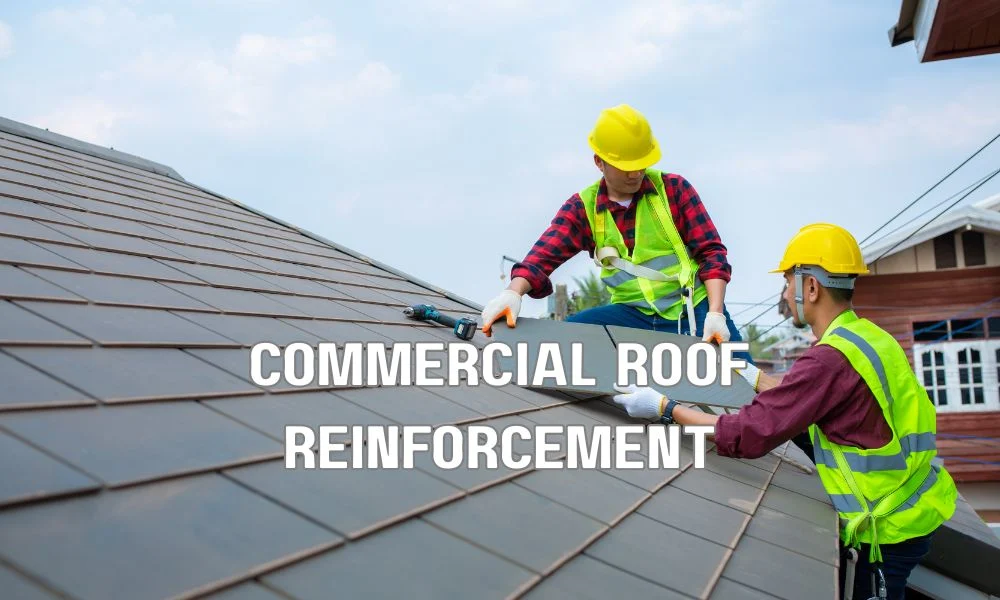
Hurricane-rated commercial roofs should undergo professional inspections at least twice annually – ideally in the spring to prepare for hurricane season and in the fall for post-season assessment – in addition to immediate inspections after any significant weather event. Routine maintenance should address minor issues promptly, such as clearing drains, sealing small cracks, and ensuring all flashings and sealants are intact. Proactive maintenance is crucial for preventing small, manageable problems from escalating into costly failures during a hurricane.
Post-storm inspections are paramount to identify any compromised areas, even if no visible damage occurred. Wind forces can loosen fasteners, stress seams, or cause subtle damage that might not be immediately apparent but could lead to catastrophic failure in a subsequent storm. A comprehensive maintenance program significantly extends the lifespan of a hurricane-rated roof and preserves its protective capabilities.
Financial Considerations and ROI
What are the long-term cost benefits of investing in a premium hurricane-rated system?
Investing in a premium hurricane-rated commercial roofing system offers substantial long-term cost benefits, primarily through reduced lifecycle costs, lower insurance premiums, and minimized business interruption. While the initial capital outlay might be higher than for standard roofing, the superior durability and resilience of these systems translate into significantly fewer repair costs over their lifespan, especially after severe weather events.
Insurance companies often offer reduced premiums for buildings with certified hurricane-rated components, providing immediate and ongoing savings. More importantly, a roof that survives a Cat 4 hurricane protects the building’s interior, valuable assets, and operational continuity, preventing costly downtime and potential loss of revenue. This enhanced protection against catastrophic failure represents a significant return on investment, safeguarding the business’s future.
Critical Fact 3: The average commercial roof replacement cost after catastrophic hurricane damage can be 2-3 times higher than the initial cost of installing a premium hurricane-rated system, not including the immense costs of business interruption and lost inventory.
Hurricane-Rated Commercial Roofing System Comparison
| Roofing System | Typical Wind Uplift Rating (PSF) | Lifespan (Years) | Impact Resistance | Material Cost ($/sq ft) | Key Benefit for Hurricanes |
|---|---|---|---|---|---|
| Mechanically Fastened TPO | 90-180+ | 15-25 | Good to Excellent | $4.00 – $7.00 | Excellent uplift resistance via engineered fastening patterns. |
| Fully Adhered EPDM | 120-200+ | 20-30+ | Very Good | $5.00 – $8.00 | Uniform uplift resistance, no fasteners to pull out. |
| Fully Adhered PVC | 120-220+ | 20-30 | Excellent | $6.00 – $9.00 | Superior chemical resistance and weld strength. |
| Structural Standing Seam Metal | 100-200+ | 30-50+ | Excellent | $8.00 – $15.00 | Exceptional wind resistance, interlocking panels, highly durable. |
| Modified Bitumen (Multi-Ply) | 80-150+ | 20-30 | Good to Excellent | $6.00 – $10.00 | Redundant layers provide superior puncture resistance. |
Frequently Asked Questions
What is the difference between wind uplift and wind resistance ratings?
Wind uplift refers to the suction force pulling the roof off the building, typically measured in pounds per square foot (PSF). Wind resistance ratings, like those from FM Approvals or UL, quantify a system’s ability to withstand these uplift pressures and other wind-induced stresses, often tested in a laboratory setting for various wind speeds.
Do hurricane-rated roofs require special permits in Florida?
Yes, any commercial roofing project in Florida that involves re-roofing or significant repairs will require specific permits from the local building department. These permits ensure compliance with the Florida Building Code, including hurricane-specific requirements for wind load and material specifications.
How does roof slope affect hurricane resistance?
Roof slope significantly impacts hurricane resistance. Low-slope roofs are generally more susceptible to uplift forces, especially at edges and corners, requiring more robust fastening. Steeper sloped roofs can sometimes shed wind more effectively, but still require proper fastening of shingles or panels and secure soffits/fascia to prevent wind intrusion.
Can cool roof technologies be hurricane-rated?
Absolutely. Many cool roof technologies, such as white TPO or PVC membranes, are specifically engineered to meet stringent hurricane-rated standards. These systems offer both energy efficiency benefits and critical hurricane protection, often with highly reflective surfaces and robust attachment methods.
What is a “High-Velocity Hurricane Zone” (HVHZ)?
A High-Velocity Hurricane Zone (HVHZ) refers to areas in Florida, specifically Miami-Dade and Broward counties, that have historically experienced severe hurricane damage. The FBC imposes exceptionally rigorous building and roofing standards for HVHZ to enhance structural resilience against extreme winds and impacts.
Does my insurance company offer discounts for hurricane-rated roofs?
Many insurance companies offer significant discounts or more favorable policy terms for commercial properties with certified hurricane-rated roofing systems. It’s advisable to consult with your insurer regarding specific policy details and available incentives for enhanced roof resilience.
How long does a hurricane-rated commercial roof installation typically take?
The duration of a hurricane-rated commercial roof installation varies greatly depending on the roof’s size, complexity, system type, and weather conditions. A typical large commercial project could range from several weeks to a few months, with precise scheduling and efficient project management being key.
What ongoing maintenance is critical for hurricane protection?
Critical ongoing maintenance for hurricane protection includes annual or bi-annual professional inspections, prompt repair of any minor damage (cracks, punctures), ensuring drains and gutters are clear, and verifying that all flashings and edge securements remain intact and tightly sealed. Proactive care prevents vulnerabilities from developing.
