
Executive Summary
- Silicone roof coatings offer superior ponding water resistance and long-term UV stability, which are critical for Florida’s intense solar exposure.
- Acrylic coatings are more budget-friendly initially but require more frequent reapplication in Florida’s harsh climate due to their susceptibility to water absorption.
- Understanding Florida’s unique environmental stressors, including high humidity, heavy rainfall, and constant UV radiation, is paramount for selecting an effective roof coating.
- The longevity of a roof coating system is directly tied to its inherent ability to resist degradation from prolonged UV exposure and prevent water penetration.
- Investing in high-performance silicone often results in lower lifecycle costs, despite a higher upfront expense, due to extended durability and reduced maintenance needs.
- Proper surface preparation is universally critical for both silicone and acrylic applications, directly influencing adhesion, performance, and the coating’s overall lifespan.
Understanding Roof Coatings for Extreme Climates
Why is Florida’s climate particularly challenging for roof coatings?
Florida’s climate presents a formidable challenge for any roof coating due to its unique combination of intense UV radiation, high humidity, torrential rainfall, and potential for prolonged ponding water. The relentless sun quickly degrades many materials, causing chalking, cracking, and loss of reflectivity. Heavy rains test a coating’s waterproofing capabilities, while high humidity contributes to mold and mildew growth, further compromising the roof system’s integrity over time.
Critical Fact 1: Florida experiences an average of 2,800 hours of sunshine annually, significantly accelerating the degradation of roof coatings not specifically formulated for extreme UV resistance.
Silicone Roof Coatings: The High-Performance Contender
What are the primary advantages of silicone coatings in Florida?
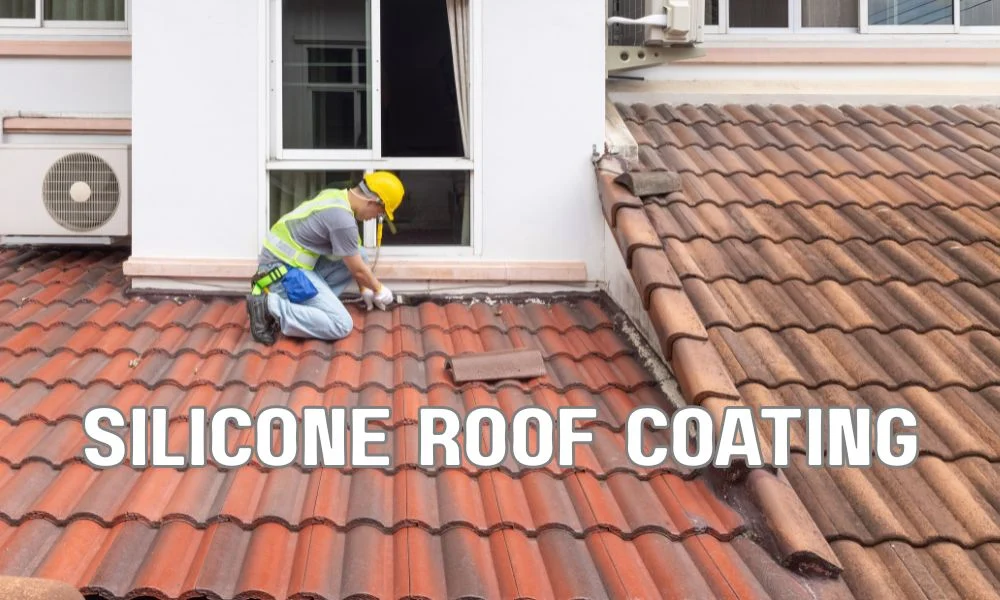
Silicone coatings offer exceptional benefits for Florida’s demanding environment, primarily due to their inorganic composition. They are incredibly resistant to UV radiation, meaning they do not chalk, crack, or degrade under direct sunlight, maintaining their elasticity and reflectivity for decades. Crucially, silicone is completely unaffected by ponding water; it will not absorb water or re-emulsify, making it ideal for low-slope roofs where water can collect. Their single-coat application often reduces labor costs and project timelines.
Are there any downsides to using silicone roof coatings?
While highly durable, silicone coatings do have some considerations. The primary drawback is their higher initial material cost compared to acrylics. Additionally, uncured silicone can be very slippery, posing a safety concern for applicators. Proper surface preparation is non-negotiable, and specific primers may be required for optimal adhesion to certain existing substrates. Silicone also tends to attract dirt and dust more readily than acrylics, though this typically doesn’t impact performance.
Acrylic Roof Coatings: The Economical Choice
What makes acrylic coatings a popular option?
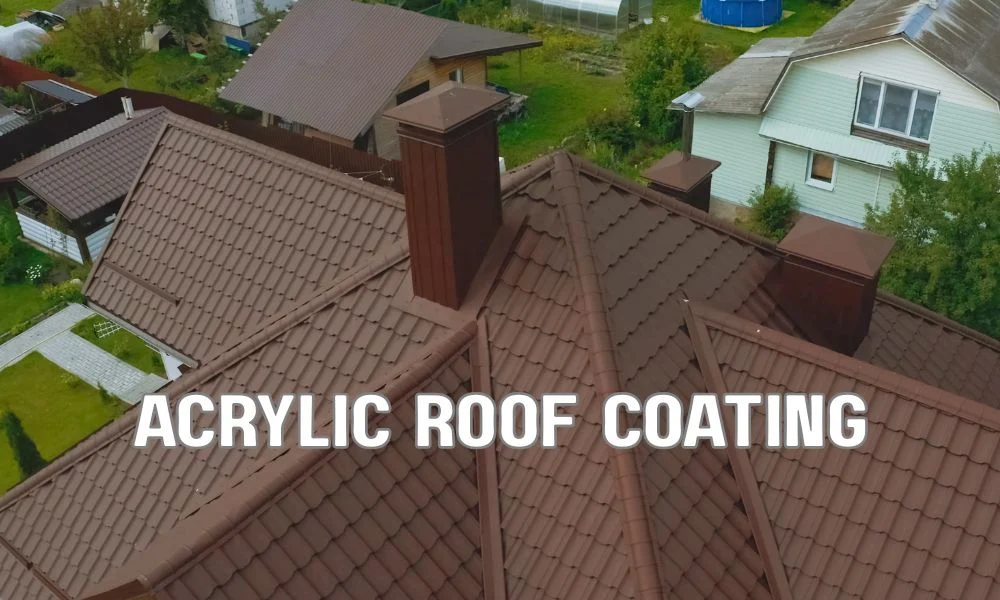
Acrylic roof coatings are often chosen for their attractive initial price point and ease of application. Being water-based, they are typically low in VOCs, easy to clean up, and can be applied with standard spray equipment or rollers. They offer good initial reflectivity, helping to reduce roof temperatures and energy costs. Their versatility allows for application on a wide range of substrates, making them a common choice for many commercial and residential projects seeking a cost-effective solution.
Where do acrylic coatings fall short, especially in Florida?
Despite their benefits, acrylic coatings have significant limitations in Florida’s climate. Their water-based nature means they can re-emulsify or soften when exposed to prolonged ponding water, leading to blistering, peeling, and ultimately, system failure. Over time, acrylics chalk and embrittle under intense UV exposure, losing elasticity and reflectivity, and becoming prone to cracking. This degradation shortens their effective lifespan significantly, often requiring reapplication every 5-10 years, which can negate initial cost savings.
Critical Fact 2: While both coatings reflect UV, silicone’s molecular structure prevents photo-oxidation and chalking, ensuring consistent performance, whereas acrylics degrade and lose efficiency under continuous UV and water exposure.
Direct Comparison: Silicone vs. Acrylic for Florida
How do silicone and acrylic compare on UV resistance?
When it comes to UV resistance, silicone coatings significantly outperform acrylics. Silicone’s stable, inorganic polymer structure means it does not break down or become brittle when exposed to relentless sunlight. It retains its flexibility, adhesion, and reflectivity over its entire lifespan. Acrylics, on the other hand, are organic and begin to chalk and degrade under intense UV radiation, losing their initial protective properties and becoming prone to cracking and shrinking over time, especially in Florida’s harsh sun.
Which coating handles ponding water more effectively?
Silicone coatings are unequivocally superior in resisting ponding water. Their hydrophobic nature ensures that water beads up and rolls off, and the coating itself will not absorb moisture or soften, even after prolonged submersion. Acrylic coatings are susceptible to water absorption. When water ponds on an acrylic roof, the coating can swell, delaminate, or re-emulsify, leading to system failure and necessitating costly repairs or premature reapplication. This makes acrylic a poor choice for low-slope roofs prone to water accumulation.
What can be expected regarding the longevity of each coating type?
In Florida’s challenging climate, a properly applied silicone roof coating can provide a lifespan of 15-20 years, often backed by robust manufacturer warranties. Its inherent durability against UV and ponding water ensures long-term performance without significant degradation. Acrylic coatings, under the same conditions, typically offer a shorter lifespan, often requiring reapplication every 5-10 years. The frequent need for recoating can significantly increase the total lifecycle cost of an acrylic system over time.
What are the cost implications of choosing silicone over acrylic?
The initial material cost for silicone coatings is generally higher than for acrylics. However, when evaluating over the roof’s entire lifecycle, silicone often proves to be the more economical choice. Its extended lifespan, superior durability, and reduced need for maintenance or premature reapplication typically result in lower long-term expenses. Acrylic’s lower upfront cost can be offset by more frequent recoating, higher labor costs over time, and potential damage from water ingress due to coating failure.
| Feature | Silicone Roof Coating | Acrylic Roof Coating |
|---|---|---|
| UV Resistance | Excellent (no chalking, cracking) | Good (initial); degrades over time (chalks, embrittles) |
| Ponding Water Resistance | Superior (hydrophobic, unaffected) | Poor (re-emulsifies, softens, blisters) |
| Longevity (Florida) | 15-20+ Years | 5-10 Years |
| Initial Material Cost | Higher | Lower |
| Lifecycle Cost | Lower (due to extended lifespan) | Higher (due to frequent reapplication) |
| Flexibility | Excellent (retains elasticity) | Good (initially); decreases with age/UV exposure |
| Application Temperature | Wider range | Narrower range (avoid freezing) |
Making the Right Choice for Your Florida Roof
What factors should dictate your final decision?
Several critical factors should guide your decision between silicone and acrylic coatings for your Florida roof. First, consider the roof’s slope: if ponding water is a consistent issue, silicone is the only viable long-term solution. Your budget also plays a role, weighing initial cost against long-term value and expected lifespan. The existing roof substrate and its condition are important, as proper adhesion is crucial. Finally, prioritize the desired lifespan of your roof system and your willingness to invest in more frequent maintenance or reapplication cycles.
What is the importance of professional application?
Professional application is paramount for both silicone and acrylic coatings to achieve their advertised performance and lifespan. Experienced contractors understand the critical surface preparation requirements, which often involve extensive cleaning, repairs, and priming to ensure optimal adhesion. They also possess the expertise to apply the coating at the correct thickness and achieve uniform coverage, avoiding common issues like pinholes or thin spots that can compromise the waterproofing integrity and void warranties. Hiring a certified professional ensures the investment in your roof coating system is protected.
Critical Fact 3: For Florida commercial properties, the long-term cost savings from reduced maintenance and extended roof life with silicone coatings often far outweigh the higher initial investment, making them a financially prudent choice for lifecycle planning.
Frequently Asked Questions
Is silicone suitable for all roof types in Florida?
Silicone coatings are highly versatile and suitable for most commercial and industrial roof types in Florida, including modified bitumen, EPDM, TPO, PVC, existing metal, and spray polyurethane foam (SPF) roofs. Proper surface preparation and the correct primer are essential for optimal adhesion to each specific substrate.
How often do acrylic coatings need reapplication in Florida?
In Florida’s harsh climate, acrylic coatings typically require reapplication every 5 to 10 years. This shorter lifespan is due to their susceptibility to UV degradation and ponding water issues, which can lead to chalking, cracking, and loss of waterproofing capabilities.
Can I apply silicone over an existing acrylic coating?
Yes, it is often possible to apply a silicone coating over an existing acrylic coating, provided the acrylic is clean, well-adhered, and in reasonably good condition. However, a specialized primer is usually required to ensure proper adhesion between the two different chemistries.
What is the energy efficiency benefit of these coatings?
Both silicone and acrylic coatings, particularly in lighter colors, offer significant energy efficiency benefits by reflecting solar radiation. This reduces the roof’s surface temperature, leading to lower heat transfer into the building and subsequently reduced cooling costs, especially important in Florida’s hot climate.
Does ponding water void the warranty of an acrylic coating?
Yes, most manufacturers’ warranties for acrylic coatings explicitly exclude damage caused by prolonged ponding water. This is a critical distinction, as silicone warranties typically cover ponding water exposure without issue, highlighting a major advantage for low-slope roofs.
How long does a silicone roof coating last in Florida’s sun?
A high-quality, professionally applied silicone roof coating can last 15 to 20 years or more in Florida’s intense sun. Its inherent UV stability and resistance to environmental degradation ensure it maintains performance and integrity over decades.
What kind of preparation is needed before applying either coating?
Thorough surface preparation is crucial. This typically involves power washing to remove dirt, debris, and loose material, addressing any existing leaks or damage, making necessary repairs to the substrate, and ensuring the roof is completely dry before primer and coating application.
Are there environmental considerations for silicone vs. acrylic?
Both coatings have environmental benefits, primarily through energy savings from solar reflectivity. Acrylics are water-based and typically low-VOC. Silicones are generally durable and inert once cured, reducing landfill waste over time due to their longer lifespan, but require specific disposal of uncured material.
