Executive Summary
- Florida homeowners facing hurricane roof damage must prioritize immediate documentation and prompt insurance claims to maximize their potential recovery.
- Understanding the nuances of your homeowner’s insurance policy, including deductibles and depreciation, is crucial for assessing potential out-of-pocket expenses.
- Explore diverse financing avenues like home equity loans, personal loans, or government-backed programs if insurance settlements are insufficient for full repair or replacement.
- PACE (Property Assessed Clean Energy) financing offers a unique, long-term repayment option for eligible storm-resistant roof upgrades, though it carries specific considerations.
- Leveraging state and federal disaster assistance, alongside vetted non-profit support, can significantly alleviate financial burdens for qualifying Florida property owners.
- Selecting licensed and insured local roofing contractors is paramount to ensure quality workmanship and avoid potential scams during post-hurricane reconstruction efforts.
- Proactive wind mitigation improvements not only enhance roof resilience against future storms but can also lead to substantial savings on future insurance premiums.
Immediate Steps: Insurance Claims and Adjusters
The immediate aftermath of a hurricane can be chaotic, but swift action regarding your roof damage is crucial for a successful insurance claim. Documenting everything thoroughly and contacting your insurer promptly are the first and most vital steps to protect your property and financial interests. Florida’s unique insurance market demands diligence.
What should I do immediately after hurricane damage to my roof?
Immediately after a hurricane, prioritize safety. Once it’s safe, thoroughly document all damage to your roof with high-resolution photos and videos from multiple angles. Include close-ups of specific damage and wider shots showing the roof in context with your property. Secure any vulnerable areas temporarily to prevent further damage, like tarping, but avoid making permanent repairs until an adjuster assesses the damage, unless absolutely necessary for safety. Contact your insurance provider as soon as possible to file an initial claim, providing them with all documented evidence.
Critical Fact: Florida law requires homeowners insurance policies to offer windstorm coverage, but many standard policies exclude flood damage. Always understand your specific policy’s coverage, deductibles, and limitations, especially regarding named storms.
How does the insurance claims process work for roof damage in Florida?
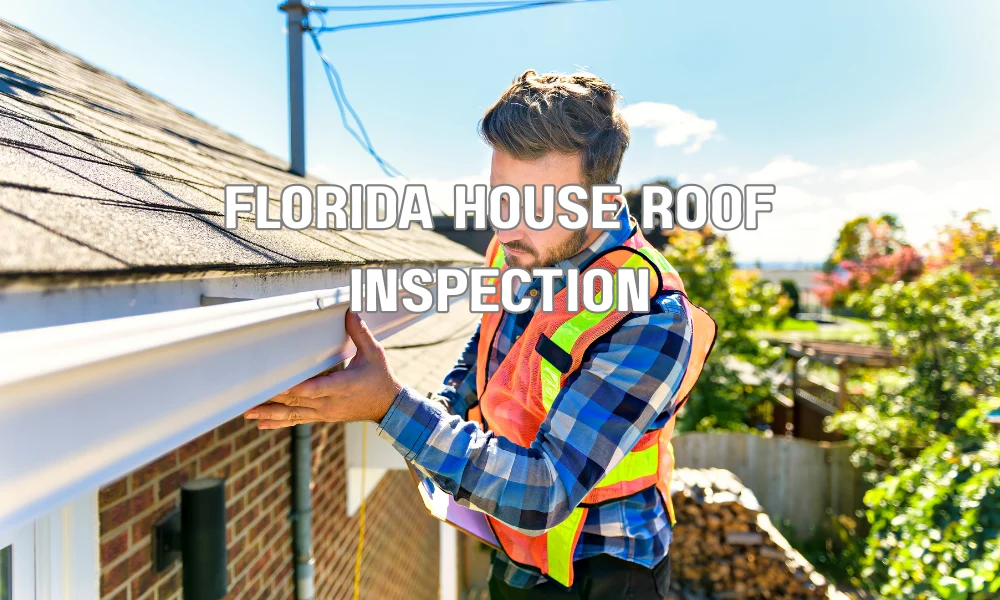
Once you file a claim, your insurance company will assign an adjuster to assess the damage. This adjuster will inspect your roof, evaluate the extent of the damage, and determine if it meets your policy’s criteria for repair or replacement. They will generate a scope of work and an estimate for the repairs. It’s advisable to have a reputable, local roofing contractor also inspect the damage and provide their own estimate. Compare the two and be prepared to negotiate with your insurer if there’s a significant discrepancy, potentially involving a public adjuster if needed.
Beyond Insurance: Exploring Financing Options
Even with insurance, the costs associated with roof replacement after hurricane damage can exceed your settlement, or your deductible might be prohibitive. Understanding various financing avenues is key to bridging this gap and ensuring your home is protected without undue financial strain. Florida homeowners often need to explore multiple options.
What if my insurance settlement isn’t enough to cover full roof replacement?
If your initial insurance settlement isn’t enough, you have several options. First, you can submit a supplemental claim with additional contractor estimates and documentation detailing why the initial offer is insufficient. Many homeowners also turn to financing solutions like home equity loans, home equity lines of credit (HELOCs), or personal loans to cover the remaining costs. Some may consider reaching out to legal counsel specializing in insurance claims if they believe the insurer is unfairly denying or underpaying a claim.
What types of personal loans are available for roof financing?
For roof financing, several personal loan types are available. Unsecured personal loans offer quick access to funds without requiring collateral, but typically come with higher interest rates based on your credit score. Secured personal loans, like those backed by a savings account or CD, can offer lower rates but tie up an asset. Home Equity Lines of Credit (HELOCs) or Home Equity Loans leverage your home’s equity, often providing larger loan amounts at lower interest rates, but your home serves as collateral. Always compare interest rates, fees, and repayment terms carefully.
Can I use PACE financing for hurricane-related roof repairs in Florida?
Yes, PACE (Property Assessed Clean Energy) financing is available in many Florida counties for hurricane-resistant roof upgrades, particularly those that improve energy efficiency or storm resilience. PACE loans are repaid through an assessment on your property tax bill, making them distinct from traditional loans. They don’t typically rely on your credit score, making them accessible to a broader range of homeowners, but the debt is tied to the property, not the homeowner, and must be disclosed upon sale. Carefully research PACE programs in your specific county and understand the terms before committing.
Government Programs and Grants for Florida Homeowners
Beyond insurance and traditional loans, various government programs and non-profit organizations offer assistance to Florida homeowners recovering from hurricane damage. These resources can be vital for those facing significant financial hardship or insufficient insurance coverage.
Are there state or federal assistance programs for roof repairs after a hurricane in Florida?
Yes, both state and federal programs can offer assistance after a declared disaster. The Federal Emergency Management Agency (FEMA) provides individual assistance for housing repairs, including roofs, for uninsured or underinsured damage in federally declared disaster areas. Additionally, Florida often receives Community Development Block Grant-Disaster Recovery (CDBG-DR) funds, which are administered by the state or local governments to assist low-to-moderate income homeowners with essential repairs. The Florida Housing Finance Corporation may also offer disaster relief programs or low-interest loans. Eligibility criteria vary significantly by program and income level.
Critical Fact: Many Florida roofing codes, especially in hurricane-prone zones, require roofs to meet enhanced wind resistance standards, often necessitating specific installation techniques and materials that can increase costs but also provide greater long-term protection.
How can non-profit organizations help with roof repair costs?
Numerous non-profit organizations provide critical support to disaster-affected communities, often filling gaps left by insurance or government aid. Organizations like Habitat for Humanity, Rebuild Together, the American Red Cross, and local community-based charities frequently assist with roof repairs for low-income, elderly, or disabled homeowners who lack adequate resources. They might offer direct financial aid, volunteer labor, or connections to discounted materials. Research local and national disaster relief non-profits operating in your area post-hurricane to explore available assistance.
Choosing the Right Contractor and Managing Project Costs
Selecting a reliable contractor is paramount for quality roof repair or replacement. Post-hurricane environments can attract unscrupulous operators, making due diligence more critical than ever. Understanding typical costs also helps manage your budget effectively.
How do I choose a reputable roofing contractor in Florida?
To choose a reputable roofing contractor in Florida, always verify they are licensed and insured (general liability and workers’ compensation). Request proof of both. Get at least three written estimates, ensuring each details the scope of work, materials, timeline, and warranty. Check their references, review online testimonials, and verify their standing with the Better Business Bureau. Be wary of contractors who solicit door-to-door, demand full payment upfront, or pressure you into signing contracts immediately. A local contractor with established roots in the community is often a safer choice.
What are common roof materials and their costs in Florida after a hurricane?
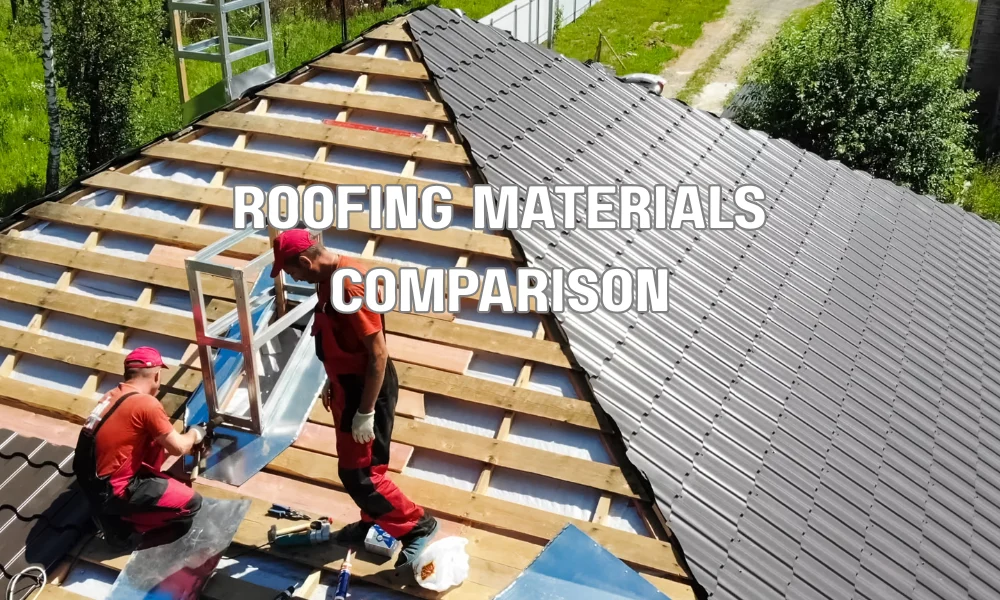
The cost of roof materials in Florida after a hurricane can fluctuate due to demand and supply chain issues. Here’s a general comparison:
| Material Type | Average Cost per Square Foot (Installed) | Typical Lifespan | Pros for Florida | Cons for Florida |
|---|---|---|---|---|
| Asphalt Shingles (Architectural) | $4.00 – $7.50 | 20-30 years | Cost-effective, wide color/style range, good wind resistance (if properly installed) | Shorter lifespan than metal/tile, can be vulnerable to extreme heat/UV over time |
| Metal Roofing (Galvalume/Aluminum) | $8.00 – $16.00 | 40-70 years | Excellent wind resistance, energy efficient, durable, low maintenance | Higher upfront cost, can be noisy during heavy rain, potential for dents |
| Concrete/Clay Tile | $9.00 – $20.00 | 50+ years | Superior wind/fire resistance, aesthetic appeal, good insulation | Heaviest material (may require structural reinforcement), highest upfront cost, can crack |
*Note: These are estimated costs and can vary significantly based on contractor, roof complexity, location, and post-disaster market conditions.*
Long-Term Resilience and Future Preparedness
Repairing your roof after hurricane damage is an opportunity to enhance your home’s resilience against future storms. Investing in preparedness not only offers peace of mind but can also yield financial benefits through insurance savings.
What steps can I take to prepare my roof for future hurricane seasons?
To prepare your roof for future hurricane seasons, proactive measures are key. Schedule annual professional roof inspections to identify and address minor issues before they become major problems. Consider upgrading to impact-resistant roofing materials (Class 4 rated) during replacement. Ensure proper attic ventilation to prevent moisture buildup and heat stress. Install or verify the integrity of roof-to-wall connections, such as hurricane straps and clips, which significantly enhance wind uplift resistance. Regularly clear gutters and downspouts to ensure proper water drainage.
How can I improve my home’s insurability and lower premiums?
Improving your home’s insurability and lowering premiums in Florida often hinges on demonstrating enhanced wind resistance. Invest in a wind mitigation inspection (Form OIR-B1-1802), which assesses features like roof shape, roof-to-wall attachments, secondary water resistance, and opening protection (shutters). Documenting these upgrades with photographs and receipts, then submitting them to your insurer, can qualify you for significant premium discounts. Maintaining your roof, repairing damage promptly, and ensuring proper tree trimming around your home also contribute to a lower risk profile for insurers.
Critical Fact: Obtaining a wind mitigation inspection (Form OIR-B1-1802) after roof repairs or replacement is one of the most effective ways for Florida homeowners to significantly reduce their windstorm insurance premiums, sometimes by hundreds or even thousands of dollars annually.
Frequently Asked Questions
Can I file an insurance claim for a roof leak if I don’t know when the damage occurred?
It’s always best to file a claim as soon as you discover damage. While proving the exact date can be challenging, insurers typically assess the nature of the damage. Sudden, severe damage consistent with a storm is more likely to be covered than slow, chronic leaks due to neglect.
What is an “Assignment of Benefits” (AOB) and should I sign one?
An Assignment of Benefits (AOB) is a contract that transfers your insurance claim rights to a third party, like a contractor. While it can simplify the process, it also gives the contractor control over the claim and the right to sue your insurer without your involvement. Exercise extreme caution and consult an attorney or public adjuster before signing an AOB.
Will my insurance premiums increase after filing a hurricane roof damage claim?
It’s possible. While filing a claim for catastrophic events like hurricanes may not always directly lead to an individual premium increase, widespread claims in a region often contribute to overall rate increases for all policyholders in that area.
How long do I have to file a roof damage claim after a hurricane in Florida?
Florida Statute 627.70132 typically gives homeowners up to three years from the date of loss to file an initial property insurance claim after a hurricane or other named storm. However, it’s always advisable to file as soon as possible.
What is an “actual cash value” vs. “replacement cost value” policy for roofs?
An “Actual Cash Value” (ACV) policy pays for the depreciated value of your roof, considering its age and condition. A “Replacement Cost Value” (RCV) policy pays for the cost of a new roof, regardless of depreciation. RCV policies are more expensive but offer better protection for newer roofs.
Can I get financing for roof repairs if I have bad credit?
While more challenging, options exist. PACE financing doesn’t rely on credit scores. Some government or non-profit programs may have less stringent credit requirements for disaster relief. Alternatively, secured loans (e.g., using home equity) might be available, though they come with higher risks.
Do I need a permit for roof repair or replacement in Florida?
Yes, nearly all roof repairs or replacements in Florida require a building permit from your local municipality or county. This ensures the work meets current building codes, especially crucial for hurricane-resistant standards. A reputable contractor will handle the permitting process.
What is a “public adjuster” and should I hire one?
A public adjuster is an independent claims professional you hire to represent your interests during an insurance claim. They can help assess damage, negotiate with your insurer, and maximize your settlement. They typically work on a contingency basis (a percentage of the settlement). Consider hiring one if your claim is complex or you disagree with your insurer’s offer.