
Executive Summary
- Coastal roofs in Dania Beach, FL, require specialized materials and installation techniques to withstand extreme weather, including hurricanes, high winds, and salt exposure.
- Advanced roofing systems like metal, concrete tile, and TPO offer superior durability, longevity, and energy efficiency, crucial for the challenging South Florida climate.
- Proactive wind mitigation strategies, such as secondary water barriers and robust fastening, are essential for compliance with Florida Building Codes and maximizing insurance savings.
- Regular professional inspections and maintenance are paramount to detect early signs of wear, prevent costly damage, and extend the lifespan of your coastal roofing investment.
- Investing in high-quality, impact-resistant roofing materials can significantly enhance a property’s resilience, reduce energy costs, and increase its overall market value in Dania Beach.
- Understanding local permitting and building codes is vital; engaging a certified local roofer ensures your project adheres to all safety and structural requirements.
Understanding the Unique Dania Beach Roofing Landscape
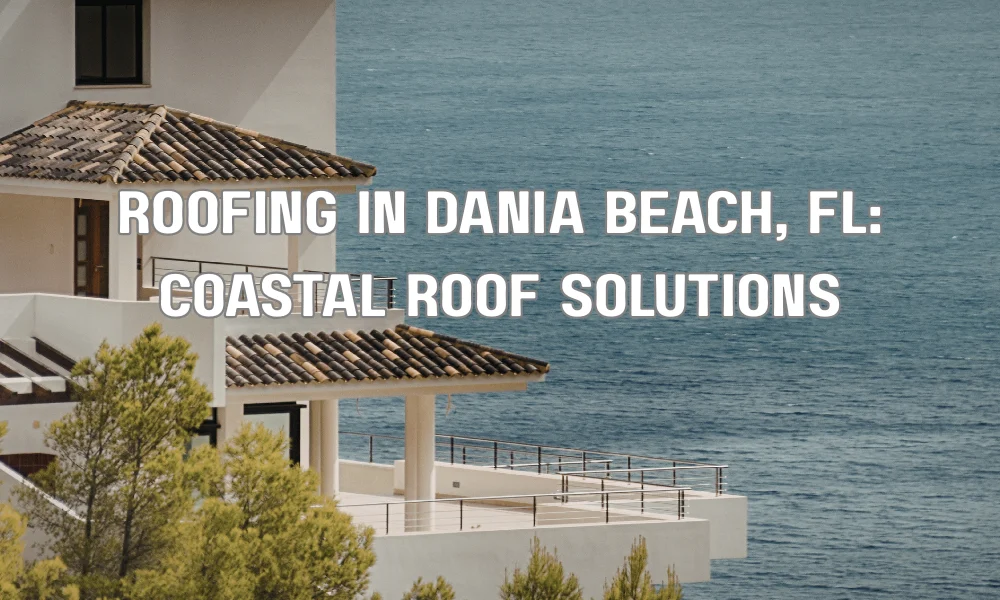
The dynamic coastal environment of Dania Beach, FL, presents a unique set of challenges for any roofing system. Homes here face an unrelenting barrage of natural elements, from intense solar radiation and high humidity to the corrosive effects of saltwater air and the destructive forces of hurricanes. Selecting and maintaining a roof in this region is not merely about aesthetics; it’s about safeguarding your property and ensuring long-term resilience against Mother Nature’s powerful hand.
What are the primary challenges for roofs in Dania Beach, FL?
Roofs in Dania Beach, FL, primarily contend with high winds, torrential rain, and the corrosive salt-laden air, all of which accelerate material degradation. The constant exposure to intense ultraviolet (UV) radiation from the sun also contributes significantly to wear and tear, fading colors and breaking down material integrity over time. Furthermore, the risk of tropical storms and hurricanes demands roofing systems capable of withstanding extreme uplift pressures and projectile impacts.
Critical Fact 1: Florida’s stringent building codes, particularly for coastal areas like Dania Beach, mandate specific wind resistance and impact ratings for all new roof installations and significant repairs, emphasizing the need for hurricane-grade materials and construction.
Optimal Roofing Materials for Coastal Resilience
Choosing the right roofing material is the single most critical decision for Dania Beach homeowners aiming for durability and peace of mind. Not all materials are created equal when it comes to combating the harsh coastal climate. Prioritizing materials known for their longevity, wind resistance, and low maintenance in saltwater environments will yield the best long-term results.
Which roofing materials offer the best protection against coastal elements?
Metal roofing, specifically standing seam and corrugated panels, excels in coastal environments due to its exceptional wind resistance, longevity, and imperviousness to salt corrosion. Concrete and clay tiles also provide robust protection, boasting excellent wind and impact resistance, alongside a classic aesthetic that complements coastal architecture. For flat or low-slope roofs, TPO (Thermoplastic Polyolefin) and PVC (Polyvinyl Chloride) membranes are highly recommended for their seamless, waterproof barriers and resistance to UV and chemical degradation.
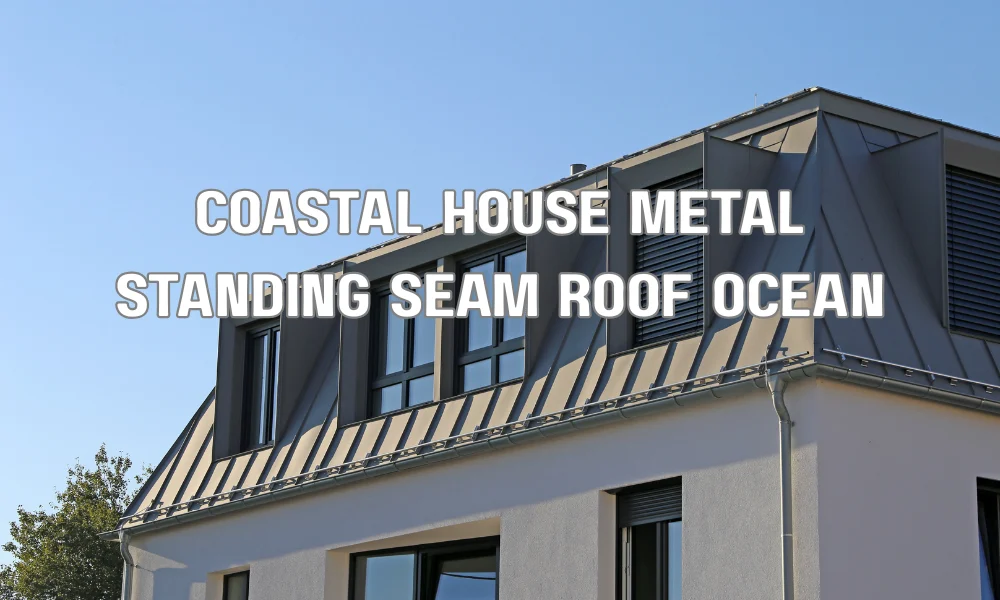
Here’s a comparison of common coastal roofing materials:
| Material Type | Average Lifespan | Wind Resistance (MPH) | Corrosion Resistance | Typical Cost Range (per sq ft installed) | Energy Efficiency |
|---|---|---|---|---|---|
| Metal (Standing Seam) | 50-70+ years | 140-180+ | Excellent | $10.00 – $18.00 | High (Cool Roof options) |
| Concrete Tile | 50+ years | 130-150 | Very Good | $8.00 – $15.00 | Moderate to High |
| Clay Tile | 75-100+ years | 130-150 | Excellent | $12.00 – $20.00 | Moderate to High |
| TPO/PVC (Flat Roof) | 20-30 years | 120-140 | Excellent | $7.00 – $12.00 | High (Reflective surface) |
| Architectural Shingles (High Wind) | 25-30 years | 110-130 | Good | $5.00 – $9.00 | Moderate |
The Importance of Professional Installation and Maintenance
Even the most advanced roofing materials will underperform if not installed correctly or adequately maintained. In a coastal environment like Dania Beach, the margin for error is significantly smaller, making professional expertise non-negotiable for long-term roof integrity.
Why is expert installation critical for coastal roofs?
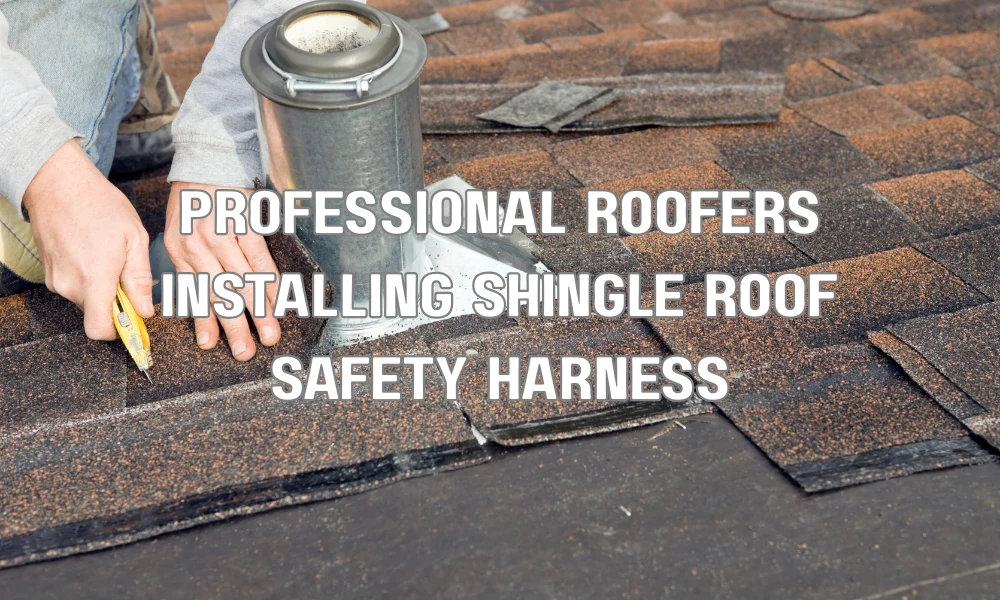
Expert installation is critical for coastal roofs because it ensures strict adherence to Florida’s rigorous building codes, which are designed to mitigate hurricane damage. Certified professionals understand the nuances of high-wind fastening techniques, proper flashing in salt-rich environments, and the critical importance of secondary water barriers to prevent leaks, even if the primary roofing material is compromised during a storm. An improperly installed roof, regardless of material quality, is a liability in a hurricane-prone region.
Critical Fact 2: A proper secondary water barrier (SWB), often required by Florida Building Code, can significantly reduce post-storm damage and is a key factor in qualifying for wind mitigation insurance credits, directly saving homeowners money.
How does regular maintenance extend roof life in a coastal environment?
Regular maintenance extends roof life in a coastal environment by proactively addressing wear and tear exacerbated by salt, sun, and moisture. This includes routine inspections to identify loose fasteners, damaged shingles or tiles, clogged gutters, and early signs of corrosion or mold growth before they escalate into major issues. Timely repairs, sealing, and cleaning can prevent water intrusion, maintain the roof’s structural integrity, and ensure optimal performance against the elements, ultimately maximizing your investment and avoiding premature replacement.
Navigating Regulations and Maximizing Value
Understanding the local regulatory landscape is paramount for any roofing project in Dania Beach. Compliance not only ensures safety and structural integrity but also plays a crucial role in securing insurance benefits and enhancing property value. Homeowners should always work with contractors who are well-versed in Florida’s specific requirements.
What local regulations impact roofing projects in Dania Beach?
Roofing projects in Dania Beach are heavily impacted by the Florida Building Code, particularly its High-Velocity Hurricane Zone (HVHZ) provisions, which dictate stringent requirements for wind resistance, materials, and installation methods. Local Dania Beach ordinances may also have specific permitting requirements, aesthetic guidelines for historic districts, or additional stipulations for stormwater management. All projects require permits and must pass inspections to ensure compliance, preventing future legal issues or insurance claim denials.
How can homeowners ensure long-term value and energy efficiency?
Homeowners can ensure long-term value and energy efficiency by selecting “cool roof” materials like reflective metal or light-colored tiles and TPO, which minimize heat absorption and reduce cooling costs. Investing in superior insulation and a proper ventilation system further enhances energy performance. Additionally, ensuring your roof meets or exceeds current wind mitigation standards can lead to significant insurance premium reductions and contribute to a higher property resale value, making the initial investment pay dividends over time.
Critical Fact 3: Many insurance carriers offer substantial discounts (wind mitigation credits) for homes with updated roofs installed to current Florida Building Code standards, making it financially advantageous to invest in robust coastal roofing solutions.
Frequently Asked Questions
How often should I have my Dania Beach roof inspected?
It’s recommended to have your roof inspected by a qualified professional at least once a year, preferably before hurricane season. After any significant storm event, an additional inspection is crucial to assess potential damage not visible from the ground.
What is a secondary water barrier, and why is it important in Dania Beach?
A secondary water barrier (SWB) is an underlayment applied directly to the roof deck, designed to prevent water intrusion even if the primary roofing material is compromised. It’s vital in Dania Beach to protect against leaks during heavy rains and hurricanes, a requirement under Florida Building Code.
Are solar panels compatible with coastal roofing materials?
Yes, solar panels are generally compatible with most coastal roofing materials like metal, tile, and TPO. Proper installation by experienced technicians ensures the panels do not compromise the roof’s integrity or its resistance to wind and water.
How do I choose a reputable roofing contractor in Dania Beach?
Look for a licensed and insured contractor with proven experience in coastal roofing projects in Dania Beach. Check their references, reviews, and ensure they are familiar with local building codes and permitting processes.
What are the signs my Dania Beach roof needs repair or replacement?
Common signs include missing or damaged shingles/tiles, persistent leaks, visible signs of wear and tear, excessive granule loss on asphalt shingles, rust on metal components, or a sagging roof deck. A professional inspection can confirm the extent of damage.
Can a new roof lower my home insurance premiums in Florida?
Yes, a new roof built to current Florida Building Code standards, especially with proper wind mitigation features, can significantly lower your home insurance premiums. Request a wind mitigation inspection after installation to qualify for discounts.
What is the typical lifespan of a coastal roof in Dania Beach?
The lifespan varies greatly by material. While asphalt shingles might last 20-30 years, metal and tile roofs can easily exceed 50-75 years, especially with proper installation and regular maintenance in the Dania Beach climate.
Do I need a permit for roofing work in Dania Beach?
Yes, almost all roofing work, from minor repairs to full replacements, requires a permit from the City of Dania Beach to ensure compliance with local building codes and safety standards. Your chosen contractor should handle the permitting process.
