Executive Summary
- Proactive roof insurance inspections are critical in Florida to mitigate hurricane risks and secure favorable premium rates.
- Understanding the distinctions between 4-point and wind mitigation inspections empowers homeowners to target specific insurance savings.
- Regular professional roof assessments can significantly extend roof lifespan, preventing costly emergency repairs and denied claims.
- Florida’s unique climate and strict insurance regulations necessitate specialized expertise for accurate and beneficial inspection reports.
- Leveraging detailed inspection findings helps homeowners proactively address vulnerabilities, enhancing home resilience against severe weather.
- Choosing certified, local inspectors ensures compliance with state requirements and accurate documentation for insurance providers.
- Timely inspections facilitate quicker policy renewals and can unlock discounts, directly impacting your annual insurance expenditure.
The Imperative of Roof Insurance Inspections in Florida
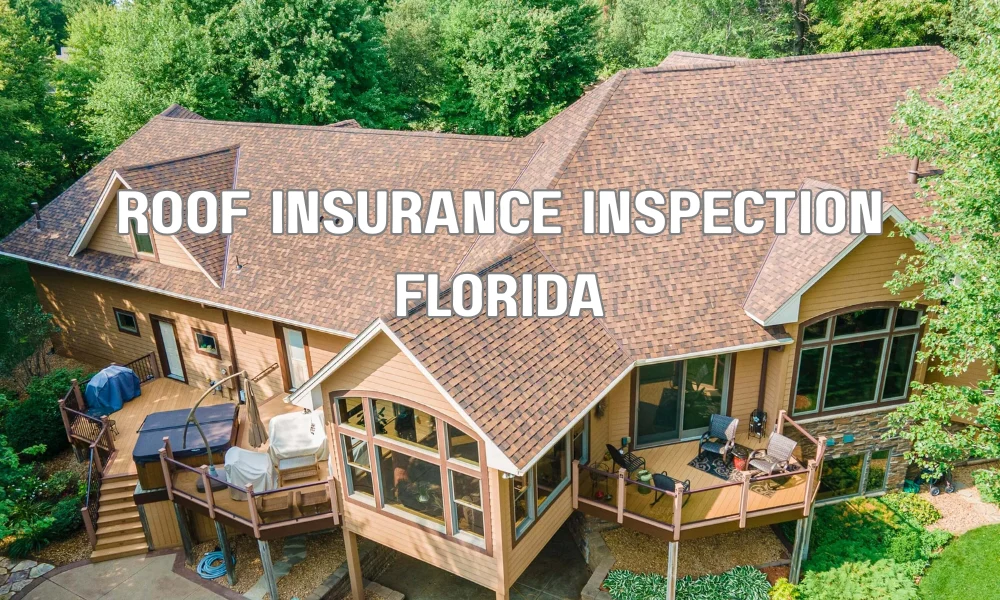
Florida’s distinctive climate, characterized by intense sun, heavy rainfall, and the perennial threat of hurricanes, places unique demands on residential roofs. Consequently, insurance providers in the Sunshine State have stringent requirements and offer specific incentives related to roof condition and resilience. A professional roof insurance inspection is not merely a formality; it’s a critical tool for homeowners to understand their roof’s health, comply with insurer mandates, and, most importantly, secure or reduce their homeowners’ insurance premiums. These inspections provide an objective assessment of the roof’s current state, identifying potential vulnerabilities before they escalate into costly problems or lead to denied claims during storm season.
Critical Fact 1: Over 70% of Florida homeowners insurance claims are related to roof damage, making professional inspections a paramount necessity for coverage and financial protection.
Why are roof inspections crucial for Florida homeowners insurance?
Roof inspections are crucial because they directly impact insurability and premium costs in Florida’s high-risk environment. Insurance companies rely on these assessments to evaluate the risk associated with insuring a property. A well-maintained roof with protective features, documented by a certified inspection, signals lower risk to insurers, often leading to significant premium discounts, especially for wind mitigation features. Conversely, an aging or damaged roof identified during an inspection can result in higher premiums, policy non-renewal, or even a requirement for repairs before coverage is granted. Without a valid inspection, many insurers may refuse to offer or renew policies, leaving homeowners exposed.
What types of roof inspections are common in Florida for insurance purposes?
In Florida, two primary types of roof inspections are commonly requested by insurance companies: the 4-Point Inspection and the Wind Mitigation Inspection. A 4-Point Inspection assesses the four critical systems of a home – HVAC, electrical, plumbing, and roofing – focusing on their age, condition, and remaining useful life. For the roof, this inspection typically evaluates its material, estimated age, overall condition, and any visible damage or signs of leaks. On the other hand, a Wind Mitigation Inspection specifically examines features that reduce a home’s susceptibility to wind damage, such as roof-to-wall attachments, roof shape, roof deck attachment, and the presence of secondary water barriers. This inspection is often voluntary but highly recommended as it can unlock substantial discounts on the windstorm portion of your insurance premium.
Navigating the Inspection Process and Benefits
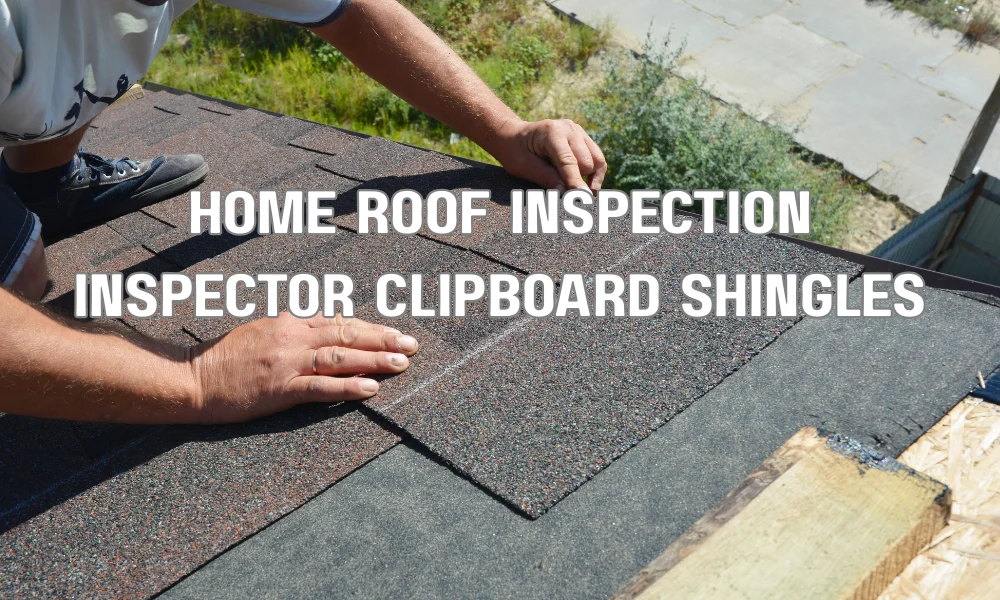
Understanding what an inspector looks for and how the process unfolds can empower homeowners to maximize the benefits of a roof insurance inspection. Inspectors are trained to identify not just obvious damage but also subtle signs of wear, improper installation, or potential weaknesses that could lead to future issues. The report they generate is a vital document that homeowners use to communicate with their insurance providers, often serving as proof of condition or proof of mitigation efforts. Beyond insurance savings, these inspections offer peace of mind, knowing the true state of one of your home’s most critical protective layers.
What does a roof inspector look for during an insurance assessment?
During an insurance assessment, a roof inspector meticulously evaluates several key aspects of your roof’s integrity and compliance. They examine the type of roofing material (e.g., asphalt shingles, tile, metal), its estimated age, and the general condition, noting any signs of wear, cracking, missing components, or granule loss. Crucially, they inspect for proper installation, including flashing around chimneys, vents, and skylights, and examine the drainage systems like gutters. For wind mitigation, they specifically assess the roof’s geometry (hip vs. gable), the strength of the roof-to-wall connections, the type of roof deck attachment (e.g., nail size and spacing), and the presence of a secondary water barrier underneath the primary roofing material. All findings are documented with photographs and detailed notes to substantiate the report.
Critical Fact 2: A recent wind mitigation inspection can reduce the windstorm portion of your Florida homeowners insurance premium by up to 45% or more, depending on your roof’s protective features.
How can a roof inspection impact my insurance premiums and coverage?
A roof inspection can profoundly impact your insurance premiums and coverage by providing empirical data that allows insurers to accurately assess risk. For a 4-point inspection, if your roof is determined to be at the end of its useful life or has significant damage, an insurer may decline to offer coverage, require repairs, or charge a higher premium. Conversely, a roof in good condition with many years of life left can help secure a standard policy. A wind mitigation inspection, in particular, can lead to substantial discounts. Features like hurricane clips, a hip roof shape, or a reinforced roof deck can qualify for credits, directly lowering the cost of the wind portion of your policy. It also helps in ensuring that your current coverage is appropriate for the condition and resilience of your roof, preventing potential gaps in protection.
Choosing the Right Professional and Understanding Costs
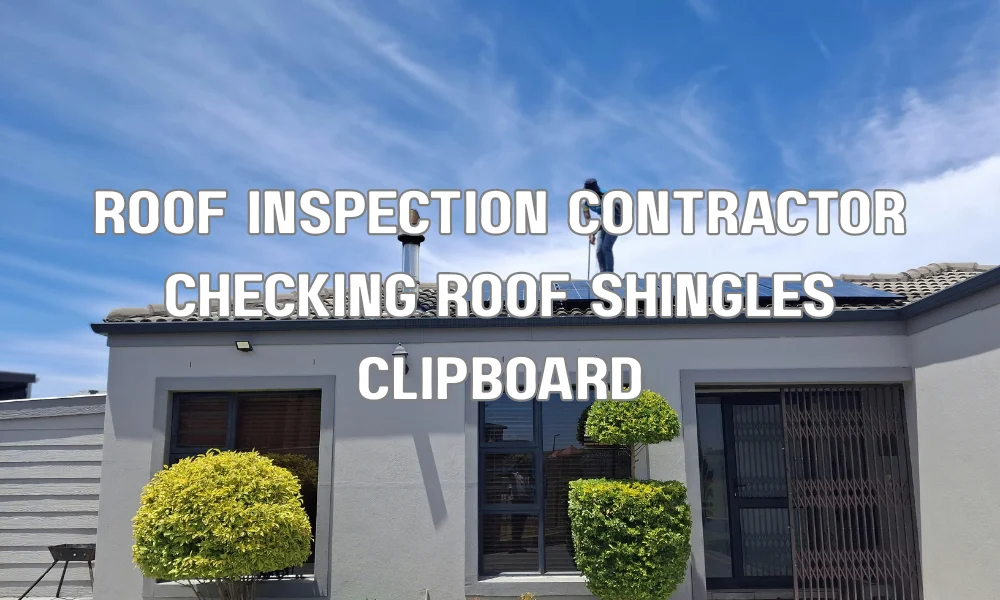
Selecting a qualified and reputable inspector is paramount to ensuring an accurate and beneficial report. The inspector’s expertise directly influences the validity of the report, which in turn impacts your insurance standing. While there is a cost associated with these inspections, the potential savings on insurance premiums, coupled with the early detection of issues, often makes it a worthwhile investment. Understanding the typical costs involved and how they compare to potential savings helps homeowners make informed decisions about their property’s longevity and financial protection.
What qualifications should I look for in a roof inspector for insurance purposes?
When selecting a roof inspector for insurance purposes in Florida, prioritize those with specific credentials and experience. Look for licensed general contractors, professional engineers, or certified home inspectors who are specifically qualified to perform 4-point and wind mitigation inspections. They should have a deep understanding of Florida building codes, insurance requirements, and common roof construction types in the region. Ask for proof of their licensing, insurance, and specific certifications related to roof inspections or wind mitigation. Reputable inspectors will provide sample reports and references, demonstrating their thoroughness and reliability. Local expertise is also a significant advantage, as they will be familiar with regional weather challenges and insurer expectations.
What is the typical cost of a roof insurance inspection in Florida, and is it worth it?
The typical cost for a roof insurance inspection in Florida varies but generally ranges from $75 to $200 for a wind mitigation report and $100 to $250 for a 4-point inspection. Often, companies offer a bundled rate if you need both. The cost is highly dependent on the inspector’s qualifications, the size and complexity of your roof, and your geographic location within Florida. Despite the upfront fee, these inspections are overwhelmingly worth the investment. Many homeowners report annual insurance premium savings that recoup the inspection cost within the first year or two. For example, a homeowner could save hundreds, or even thousands, of dollars annually on their windstorm premium alone due to a favorable wind mitigation report. Furthermore, proactively identifying and addressing issues can prevent catastrophic damage and significantly larger repair costs down the line, ultimately protecting your most valuable asset.
Comparative Analysis: 4-Point vs. Wind Mitigation Inspection Costs & Benefits
Understanding the distinct financial implications and advantages of each type of inspection helps Florida homeowners make strategic decisions about their insurance. While both are important, their focus and impact on premiums differ significantly.
| Feature | 4-Point Inspection | Wind Mitigation Inspection |
|---|---|---|
| Primary Focus | Age & Condition of 4 Key Systems (Roof, HVAC, Electrical, Plumbing) | Features that Reduce Wind Damage (Roof Shape, Attachments, Barriers) |
| Typical Cost Range (FL) | $100 – $250 | $75 – $200 |
| Insurance Requirement | Often Required for Older Homes (typically >30 years) for New Policies/Renewals | Voluntary, but Highly Recommended for Premium Discounts |
| Primary Benefit | Securing Insurability, Identifying Major System Flaws, Policy Renewal | Significant Discounts on Windstorm Portion of Premium |
| Report Validity Period | Varies by Insurer (often 1-5 years) | Typically 5 years (unless major roof change occurs) |
| Key Findings Reported | Roof material, estimated age, visible damage, remaining useful life. | Roof shape, deck attachment type, secondary water resistance, opening protection, roof-to-wall connections. |
Critical Fact 3: Many Florida insurance carriers will not issue or renew policies for homes with roofs older than 15-20 years without a current, favorable 4-point inspection report.
Frequently Asked Questions
What is a 4-point inspection, and when is it needed in Florida?
A 4-point inspection evaluates the current condition of your home’s roof, HVAC, electrical, and plumbing systems. It is commonly required by insurance companies when a home is 30 years or older to assess potential risks before issuing or renewing a policy.
How often should I get a roof insurance inspection in Florida?
For insurance purposes, a wind mitigation inspection is typically valid for five years. A 4-point inspection’s validity varies but often needs to be updated every 1-5 years, especially if your roof is aging. Regular professional roof maintenance checks are advisable annually.
Can a new roof reduce my Florida homeowners insurance premiums?
Yes, installing a new roof can significantly reduce your homeowners insurance premiums, particularly if it meets current building codes for wind resistance and has a long expected lifespan. A new roof often leads to better rates and easier policy acquisition.
What if my roof inspection report shows damage or issues?
If your inspection report reveals damage or issues, your insurance company may require repairs or replacement before offering coverage or renewal. It’s an opportunity to address problems proactively, which can prevent larger claims later and often secure better rates once fixed.
Do all insurance companies in Florida offer wind mitigation discounts?
Most insurance companies in Florida are mandated by state law to offer discounts for wind mitigation features. However, the specific discounts and their amounts can vary between carriers, so it’s always wise to shop around and compare quotes.
Is a roof inspection the same as a home inspection?
No, a roof insurance inspection focuses specifically on the roof’s condition, age, and wind-resistant features for insurance purposes. A comprehensive home inspection evaluates the entire property, including structural, mechanical, and safety components, for a potential buyer.
What happens if I don’t get a required roof inspection?
If your insurance company requires a roof inspection (especially for older homes or renewals) and you fail to provide one, they may deny coverage, refuse to renew your policy, or offer coverage at significantly higher premiums without the benefit of discounts.
How long does a typical roof insurance inspection take?
A typical roof insurance inspection, whether 4-point or wind mitigation, usually takes between 45 minutes to 1.5 hours, depending on the size and complexity of the roof and the overall property. The inspector will need access to the roof and potentially the attic.