
Executive Summary
- Prioritize roof inspections for South Florida homes to identify potential hurricane damage and common climate-related wear early, ensuring safety and preventing costly future repairs.
- Understanding the unique challenges of intense UV, high humidity, and salt air exposure is crucial for assessing a roof’s true condition and expected lifespan.
- Key inspection points include checking for missing or damaged shingles, granule loss, compromised flashing, and signs of water intrusion in the attic.
- A certified wind mitigation inspection can significantly reduce insurance premiums by documenting features that improve a home’s resistance to hurricane-force winds.
- Invest in a licensed professional roof inspector to receive an unbiased, detailed report with photographic evidence, crucial for negotiation and informed decision-making.
- Familiarize yourself with common South Florida roofing materials like tile and metal, understanding their typical lifespans and specific maintenance requirements in this region.
- Proactive roof assessment helps secure favorable insurance policies and avoids unforeseen expenses that often emerge shortly after purchasing a home.
The Unique Challenges of South Florida Roofing
Why are South Florida roofs different from other regions?
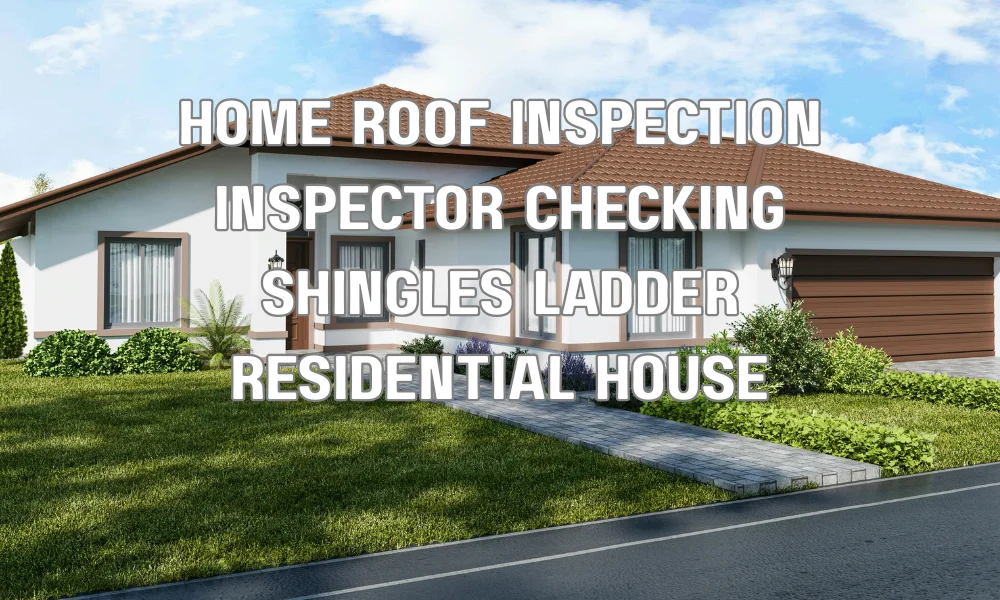
South Florida roofs face a barrage of environmental stressors unlike many other parts of the country. Intense solar radiation, consistently high humidity, frequent heavy rainfall, and corrosive salt air accelerate wear. The constant threat of hurricanes necessitates specific construction standards and robust materials for wind uplift and water intrusion. These factors mean a South Florida roof ages faster and requires specialized attention.
Critical Fact 1: The average useful lifespan of an asphalt shingle roof in South Florida is often reduced by 25-30% compared to inland regions due to extreme UV exposure and heat.
Key Components of a Comprehensive Roof Inspection
What visible signs of damage should I look for?
Visible damage indicates underlying issues. Look for missing, cracked, or curled shingles from age or wind. Granule loss on asphalt shingles is critical, reducing UV protection. Observe sagging or unevenness, pointing to structural problems with the decking or trusses. Rust on metal flashing or loose tiles also compromise watertight seals and need immediate attention.
How do inspectors assess the roof’s structural integrity?
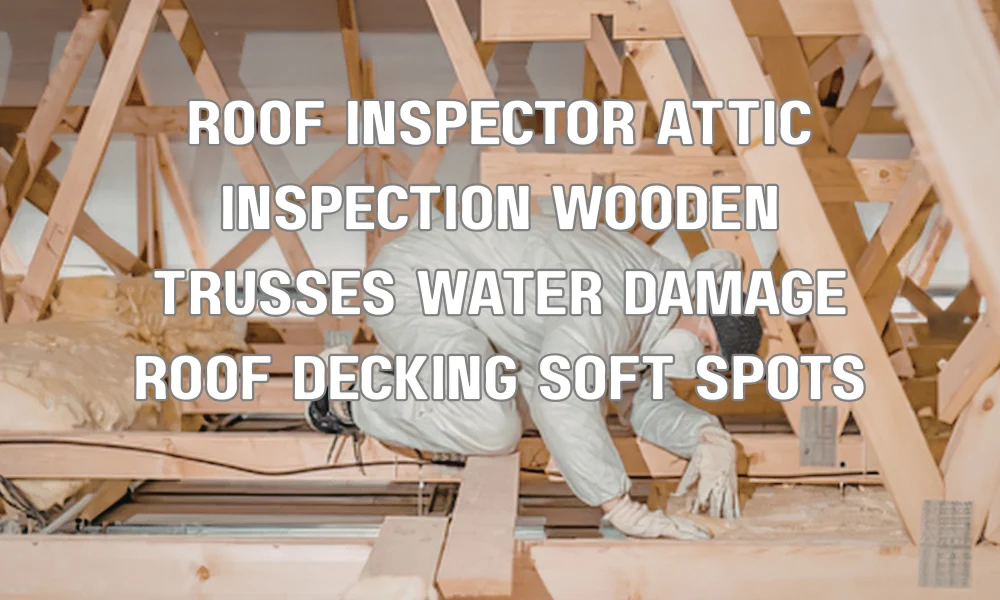
Structural integrity involves more than surface observation. Inspectors examine roof decking (sheathing) for rot or movement, typically by walking and checking for soft spots. Attic inspection reveals water stains on the underside, damaged trusses, and ventilation issues. Proper ventilation prevents heat and moisture buildup, crucial for material longevity and mold prevention. A compromised structure is risky in high winds.
What role does flashing and sealant play in roof protection?
Flashing and sealant are vital for a waterproof roof, preventing leaks at vulnerable points. Metal flashing creates barriers around chimneys, vents, skylights, and valleys where two roof planes meet. Improperly installed, rusted, or bent flashing is a primary water entry point. Sealants complement flashing by sealing small gaps and seams. Inspectors focus on their integrity, as failure often leads to interior water damage.
Common Roofing Materials and Their Lifespans in South Florida
Which roofing materials are best suited for South Florida’s climate?
South Florida’s extreme climate demands specific, superior roofing materials. Concrete and clay tiles are popular for durability, aesthetics, and resistance to UV, heat, and hail. Metal roofs, especially standing seam, offer long lifespans, energy efficiency, and high wind/fire resistance. While asphalt shingles are economical, premium architectural shingles with strong wind ratings are recommended for heat performance. Modified bitumen suits low-slope roofs, providing a durable waterproof membrane.
Critical Fact 2: Properly installed concrete or clay tile roofs can last 30-50 years in South Florida, making them one of the most durable options despite higher initial costs.
| Material Type | Typical Lifespan (South FL) | Pros | Cons | Wind Resistance |
|---|---|---|---|---|
| Asphalt Shingles | 15-25 years | Cost-effective, wide color selection | Shorter lifespan, granule loss | Moderate (110-130 mph) |
| Concrete/Clay Tile | 30-50+ years | Durable, energy efficient, aesthetic | Heavy, brittle (can crack), higher cost | High (130-150+ mph) |
| Metal (Standing Seam) | 40-70+ years | Very durable, energy efficient, wind resistant | Higher initial cost, noisy during rain/hail | Excellent (150-180+ mph) |
| Modified Bitumen | 15-25 years | Good for low-slope, waterproof | Less aesthetic, heat absorption | Moderate (100-120 mph) |
Understanding Wind Mitigation and Insurance Implications
What is a wind mitigation inspection, and why is it crucial?
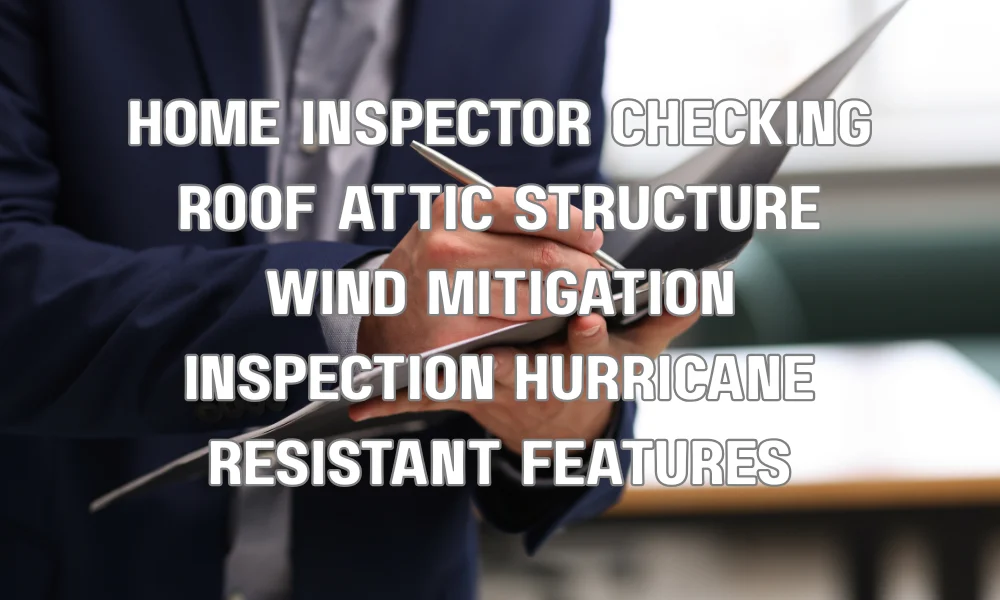
A wind mitigation inspection assesses a home’s ability to withstand high winds for insurance purposes in hurricane-prone South Florida. It focuses on features like roof-to-wall attachments, roof deck attachment, secondary water resistance, and opening protection. A satisfactory report can lead to substantial insurance discounts by demonstrating property resilience, a critical step for homebuyers to save money.
How does roof condition impact homeowner’s insurance rates?
Roof condition and age are paramount for homeowner’s insurance rates and insurability in South Florida. Insurers heavily scrutinize roofs, especially those over 10-15 years, due to hurricane risk. A roof nearing end-of-life or with existing damage often results in higher premiums or policy refusal until repairs. A clean, recent inspection indicating a healthy roof significantly improves chances for favorable policies and lower annual costs.
The Importance of a Certified Professional Inspection
Why should I hire a licensed and experienced roof inspector?
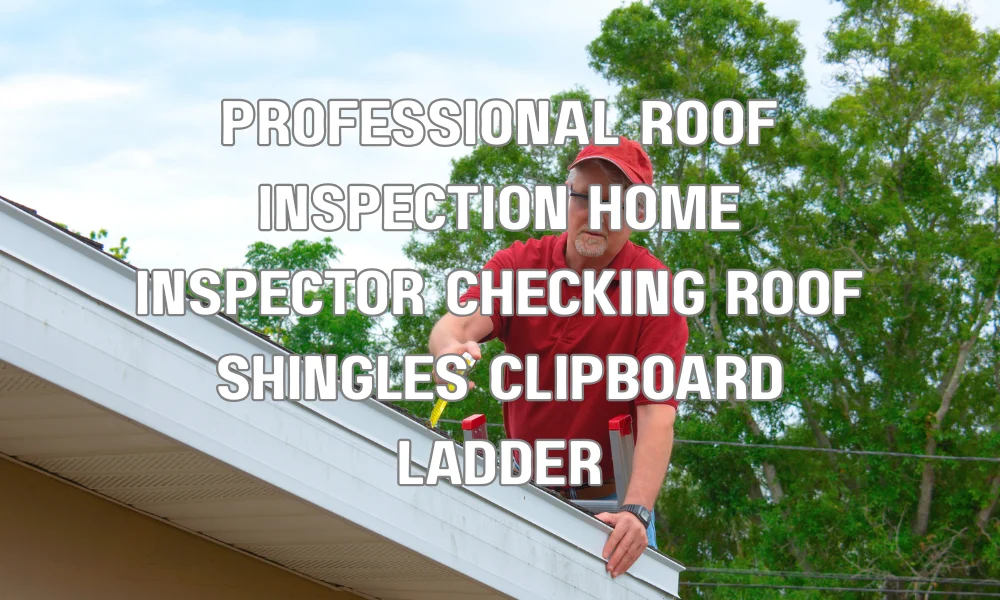
Hiring a licensed, experienced roof inspector is non-negotiable for South Florida homebuyers. Professionals have specialized knowledge of local codes, regional issues, and climate challenges. They identify subtle deficiencies an untrained eye might miss, like micro-fractures or improper installation. A certified inspector provides an unbiased, objective assessment and a thorough, accurate report, vital for negotiation and peace of mind.
What should a thorough inspection report include?
A thorough roof inspection report should be comprehensive and clear. It includes a detailed narrative, identifying deficiencies, potential causes, and recommendations. High-resolution photos are essential. The report outlines needed repairs, maintenance, or replacement, with estimated urgency. Crucially, it specifies the roof’s remaining useful life, key for insurers. This empowers buyers to make informed decisions and budget for future expenses.
Critical Fact 3: Many insurance carriers in South Florida will not provide coverage for roofs over 15 years old without a recent, satisfactory roof inspection report and may require replacement before binding a policy.
Frequently Asked Questions
How much does a typical roof inspection cost in South Florida?
Roof inspection costs in South Florida typically range from $150 to $500, varying by home size and complexity. This small investment can prevent substantial future repair expenses. Always request a detailed quote.
What are the most common roof problems found in South Florida homes?
Common issues include granule loss on asphalt shingles, cracked or dislodged tiles, rusted flashing, and mold/algae growth due to humidity. Wind damage from storms is also a frequent problem.
How often should I have my roof inspected after purchasing a home?
Annual roof inspections are recommended in South Florida. Regular checks catch minor issues early and ensure insurance compliance. An additional inspection after any significant storm is highly advisable.
Can I perform a roof inspection myself as a homebuyer?
While you can check for obvious damage from the ground, a professional inspection is crucial. Experts have tools and training to identify hidden issues safely and provide reports accepted by lenders and insurers.
Will a damaged roof prevent me from getting homeowner’s insurance in South Florida?
Yes, a significantly damaged or very old roof can prevent you from securing homeowner’s insurance. Insurers often require repairs or replacement before issuing a policy due to hurricane risks.
What is a “4-point inspection” and how does it relate to roof inspections?
A 4-point inspection, often for older homes, assesses the roof, HVAC, electrical, and plumbing systems. The roof portion specifically evaluates its age, condition, and remaining life, impacting insurability.
Should I ask for a roof inspection even on a new construction home?
Absolutely. Even new homes can have installation defects or material flaws. A pre-purchase inspection provides independent verification of quality, ensuring the roof meets code and is free of problems.
What should I do if the inspection reveals significant roof damage?
If major damage is found, you can negotiate with the seller for repairs, a closing credit, or a price reduction. In severe cases, you may choose to withdraw your offer. Consult your real estate agent and legal counsel.
