
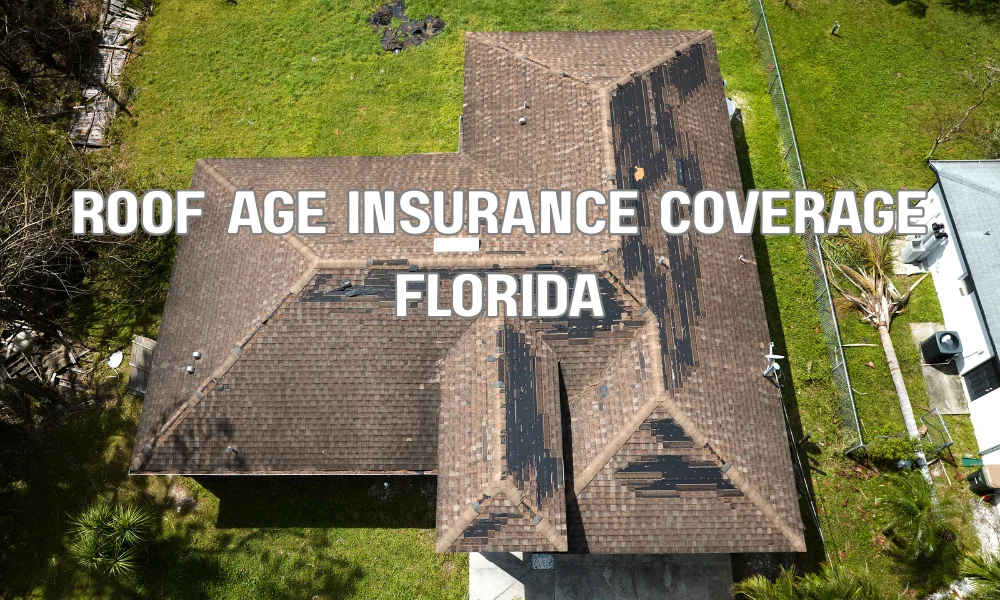
Executive Summary
- Florida’s unique hurricane risk makes roof age a primary determinant for homeowner’s insurance eligibility and premium rates.
- Roofs typically over 10-15 years old face increased scrutiny, often qualifying only for Actual Cash Value (ACV) coverage, not full Replacement Cost Value (RCV).
- Recent Florida legislative reforms have intensified insurer focus on roof condition, making it harder for older roofs to secure comprehensive policies.
- Proactive measures like regular maintenance, certified inspections, and timely repairs are crucial for extending coverage options for aging roofs.
- Homeowners with older roofs might need to consider roof replacement as a strategic investment to maintain adequate and affordable insurance coverage.
- Understanding the distinction between ACV and RCV is vital, as it directly impacts your financial recovery in the event of roof damage.
The Critical Role of Roof Age in Florida Homeowner’s Insurance
Why is roof age such a major factor for Florida insurance?
Roof age is an incredibly significant factor for Florida insurance due to the state’s heightened susceptibility to severe weather events, particularly hurricanes and tropical storms. As roofs age, their materials degrade, becoming more vulnerable to wind, rain, and hail damage, which substantially increases the risk of costly claims for insurers. Florida’s volatile insurance market reflects this increased risk, with insurers meticulously evaluating roof condition as a primary underwriting criterion.
Critical Fact 1: Over 70% of denied homeowner insurance claims in Florida are directly related to roof condition or age, highlighting its paramount importance for coverage.
What are the typical roof age thresholds for Florida insurance companies?
In Florida, roof age thresholds vary, but generally, roofs over 10-15 years old begin to face significant scrutiny from insurance providers. Many insurers become hesitant to offer full Replacement Cost Value (RCV) coverage for roofs exceeding 15 years, often limiting policies to Actual Cash Value (ACV) or outright denying coverage for properties with roofs older than 20 years. These thresholds are not absolute but represent common benchmarks where the perceived risk escalates dramatically for insurers.
How does recent Florida legislation impact roof age insurance rules?
Recent Florida legislation, notably Senate Bill 2D (2022) and House Bill 837 (2023), has significantly impacted roof age insurance rules by aiming to stabilize the state’s tumultuous insurance market. These laws have introduced stricter guidelines regarding roof claims, reduced the timeframe for filing claims, and limited the ability of contractors to solicit assignments of benefits (AOBs), making insurers even more stringent about the age and condition of roofs. Consequently, homeowners with older roofs now find it even more challenging to secure affordable and comprehensive coverage, as insurers are less willing to take on the perceived higher risk.
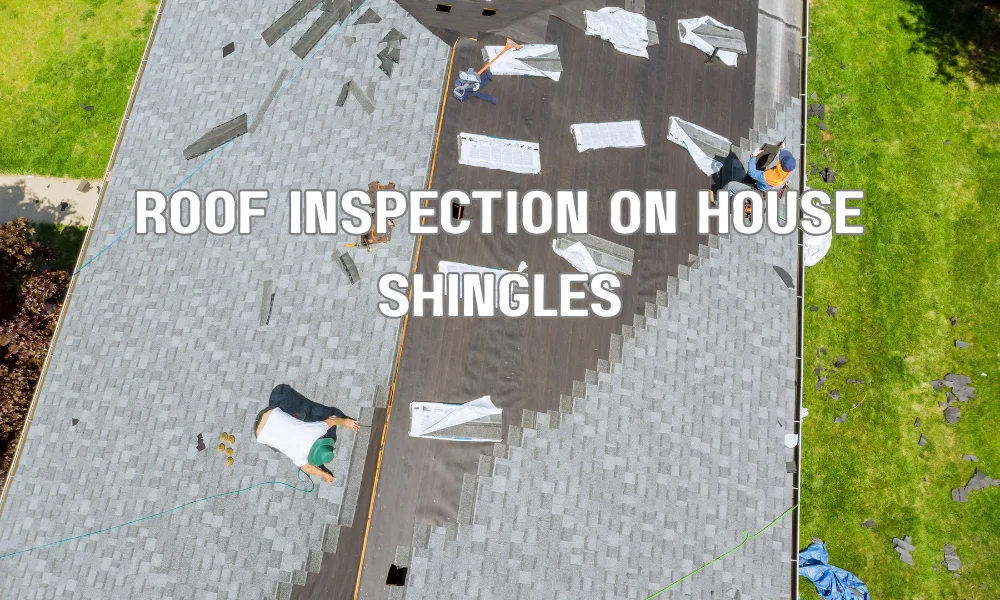
Understanding Your Coverage Options: ACV vs. RCV
What is the difference between Actual Cash Value (ACV) and Replacement Cost Value (RCV) for roofs?
Actual Cash Value (ACV) coverage pays for the depreciated value of your roof at the time of loss, taking into account its age and wear and tear. This means the payout you receive will be less than the cost to fully replace the roof. In contrast, Replacement Cost Value (RCV) coverage pays the cost to repair or replace your roof with new materials of similar kind and quality, without any deduction for depreciation, offering a much more comprehensive payout.
When will insurers typically offer ACV versus RCV coverage for older roofs?
Insurers typically offer RCV coverage for newer roofs, generally those less than 10 to 15 years old, depending on the policy and roofing material. As roofs age beyond this threshold, especially past 15 years, insurers often shift to offering only ACV coverage. This transition occurs because older roofs have accumulated significant depreciation, and the insurer’s risk of a full replacement claim becomes too high for RCV without substantial premium increases or policy limitations.
Critical Fact 2: A roof that is 15 years old or older in Florida may only receive 25-50% of its original value under an ACV policy, potentially leaving homeowners with a significant out-of-pocket expense for replacement.
Roof Material Lifespan and Insurance Acceptance in Florida
| Roof Material Type | Typical Lifespan (Years) | Insurance Acceptance (New/Good Condition) | Insurance Acceptance (Aging, 15+ Yrs) |
|---|---|---|---|
| Asphalt Shingles (3-Tab) | 15-20 | Good (RCV Likely) | Challenging (ACV Likely, Limited) |
| Architectural Shingles | 25-30 | Excellent (RCV) | Good (ACV Possible, RCV for some) |
| Metal Roof (Standing Seam) | 40-70 | Excellent (RCV) | Excellent (RCV Often) |
| Tile (Concrete/Clay) | 50+ | Excellent (RCV) | Excellent (RCV Often) |
| Flat/Low Slope (Modified Bitumen) | 10-20 | Good (RCV Likely) | Challenging (ACV Likely, Very Limited) |
Strategies for Insuring an Aging Roof in Florida
What steps can homeowners take to secure coverage for an older roof?
Homeowners with older roofs in Florida can take several proactive steps to secure or maintain insurance coverage. These include investing in regular, documented roof maintenance and repairs, obtaining a professional 4-point inspection that verifies the roof’s current sound condition, and requesting a roof certification from a licensed contractor. In many cases, a full roof replacement may become the most viable long-term strategy to ensure comprehensive and affordable coverage.
How important are roof inspections and certifications for insurance purposes?
Roof inspections and certifications are critically important for insurance purposes in Florida, particularly for aging roofs. A comprehensive 4-point inspection, conducted by a licensed inspector, provides insurers with a detailed assessment of the roof’s remaining useful life and current condition, which can be pivotal in securing or renewing a policy. A roof certification, typically issued by a licensed roofing contractor, confirms that the roof is structurally sound and has a specified number of years of useful life remaining, often extending an insurer’s willingness to provide coverage for a few more years.
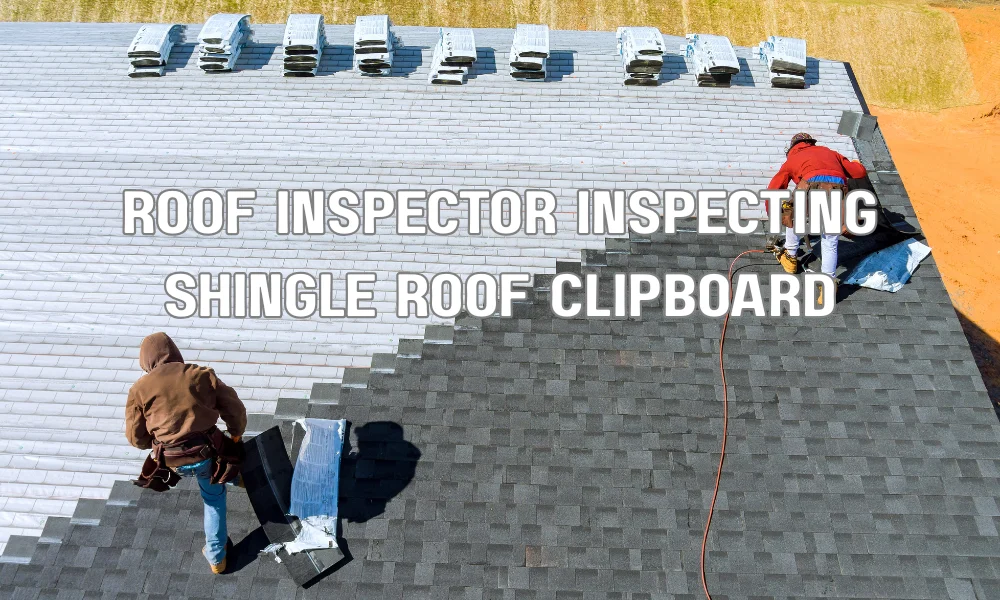
When should a roof replacement be considered an investment rather than an expense?
A roof replacement should be considered a strategic investment rather than merely an expense when an aging roof significantly hinders your ability to obtain adequate and affordable homeowner’s insurance in Florida. If you are consistently denied RCV coverage, facing exorbitant premiums, or struggling to find any insurer willing to cover your property due to roof age, a new roof will restore insurability, qualify you for RCV coverage, reduce premiums, and protect your home’s long-term integrity and value.
Navigating the Florida Insurance Market with an Older Roof
What are the challenges of finding new insurance carriers for homes with older roofs?
Finding new insurance carriers for homes with older roofs in Florida presents significant challenges, as many private insurers are increasingly risk-averse in the state’s volatile market. They often impose strict age limits or require extensive proof of roof integrity, leading to denials or offers of only limited Actual Cash Value (ACV) policies. Homeowners frequently find themselves with fewer options, often needing to resort to Citizens Property Insurance Corporation, Florida’s state-backed insurer of last resort, which can have its own limitations and higher premiums.
Can wind mitigation credits offset the impact of an older roof’s age on premiums?
While wind mitigation credits can provide significant premium discounts for Florida homeowners, they typically cannot fully offset the substantial impact of an older roof’s age on insurability or overall premiums. Wind mitigation features, such as reinforced roof-to-wall attachments or impact-resistant openings, reduce the risk of damage during high winds, but the inherent degradation and increased vulnerability of an aging roof still present a higher risk profile to insurers, who prioritize roof condition above almost all other factors.
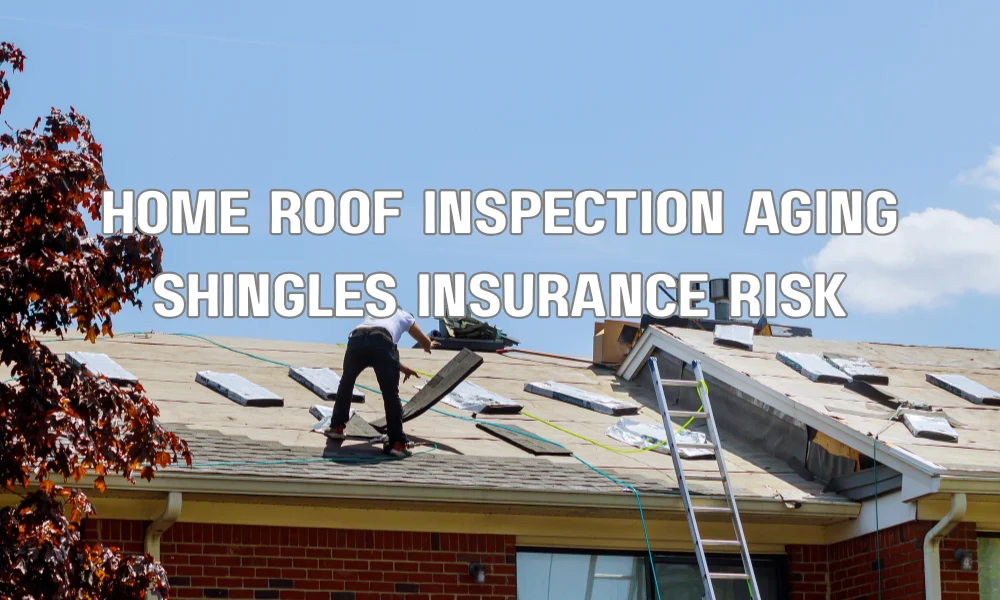
Critical Fact 3: Even with significant wind mitigation credits, a roof older than 15-20 years in Florida will likely pay premiums 20-50% higher than a newer roof, or may only qualify for ACV coverage, underscoring the dominant role of roof age.
Frequently Asked Questions
What is the maximum roof age allowed for insurance in Florida?
There is no single maximum age, as it varies by insurer and roof type. However, many private insurers are reluctant to offer full coverage for roofs over 15-20 years old, often requiring a new roof or only offering ACV.
Can I get insurance with a 20-year-old roof in Florida?
It is highly challenging to get comprehensive coverage with a 20-year-old roof from private insurers in Florida. You might be limited to Actual Cash Value (ACV) policies or need to apply through Citizens Property Insurance Corporation.
Does a 4-point inspection help with an older roof?
Yes, a positive 4-point inspection can significantly help by certifying the roof’s current condition and remaining useful life, potentially extending coverage options for an aging roof that is still sound.
What if my insurance company drops me due to roof age?
If your insurer drops you, immediately seek quotes from other carriers. If private options are exhausted, you may need to apply to Citizens Property Insurance Corporation as a last resort, but prepare for potentially higher premiums.
Are certain roof materials more insurable in Florida as they age?
Yes, durable materials like metal and tile roofs typically maintain better insurability longer than asphalt shingles due to their extended lifespan and superior resistance to Florida’s harsh weather conditions.
How much does a roof replacement typically cost in Florida?
The cost of a roof replacement in Florida varies widely based on material, size, and contractor, but generally ranges from $10,000 to $30,000 or more for an average residential home.
Does roof maintenance impact my insurance rates?
Absolutely. Documented regular roof maintenance, including repairs and cleaning, demonstrates proactive care to insurers, potentially leading to better rates or increased eligibility for continued coverage.
What is a roof certification, and why do I need one?
A roof certification is a document from a licensed roofer stating the roof’s current condition, estimated remaining useful life, and that it’s free of defects. Insurers often require it for older roofs to confirm their integrity.
