Executive Summary
- Understanding roof warranty transferability in Florida is crucial for both buyers and sellers to avoid future disputes and ensure protection.
- Florida roof warranties are typically not automatically transferable; explicit clauses and formal procedures are usually required for valid reassignment.
- Meticulous documentation, including original warranty certificates and transfer forms, is essential for a successful and legally sound warranty transfer process.
- A documented, transferable roof warranty can significantly enhance a home’s marketability and perceived value, offering peace of mind to prospective buyers.
- Sellers should proactively review their warranty terms and initiate transfer procedures, while buyers must perform due diligence to verify warranty validity.
- Manufacturer material warranties and contractor workmanship warranties often have distinct transferability clauses, requiring separate attention during property transactions.
- Legal counsel may be necessary to navigate complex warranty terms or resolve transfer disputes, ensuring all parties’ interests are adequately protected.
Understanding Florida Roof Warranties
What types of roof warranties are common in Florida?
Common roof warranties in Florida typically fall into two main categories: manufacturer warranties and contractor (or workmanship) warranties. Manufacturer warranties cover the roofing materials themselves, protecting against defects in shingles, tiles, or other components. These usually last longer, often 20-50 years or even lifetime, depending on the material. Contractor warranties, on the other hand, cover the installation quality and the contractor’s workmanship, ensuring the roof was installed correctly according to industry standards. These generally have shorter durations, typically 2-10 years. Both are vital for long-term roof health, especially given Florida’s demanding climate.
Critical Fact 1: Florida’s intense sun, high humidity, and frequent severe weather (hurricanes, tropical storms) significantly increase the importance of robust and transferable roof warranties, as these conditions accelerate wear and tear.
How do manufacturer and contractor warranties differ?
Manufacturer warranties focus exclusively on the integrity of the roofing materials, addressing issues like premature granule loss, delamination, or manufacturing defects that cause leaks. Claims under these warranties are typically made directly to the material manufacturer. In contrast, contractor warranties guarantee the quality of the installation work, covering problems that arise from improper fastening, flashing, or sealing. Claims for workmanship issues are directed to the roofing company that performed the installation. While a manufacturer might replace faulty shingles, a contractor warranty would cover fixing a leak caused by improperly installed flashing.
Navigating Warranty Transferability in Florida Real Estate
Is a roof warranty automatically transferable in Florida?
No, a roof warranty is not automatically transferable in Florida; transferability is almost always explicitly stated and often requires specific actions. Many warranties are initially written to protect only the original homeowner, and any transfer clause will detail the conditions under which it can be assigned to a new owner. These conditions often include a formal notification process to the manufacturer or contractor, an administrative fee, and submission within a specific timeframe after the property sale. Failing to follow these stipulations can render the warranty void for the new homeowner, leaving them unprotected.
What documentation is crucial for a successful warranty transfer?
Crucial documentation for a successful roof warranty transfer includes the original warranty certificate or agreement, proof of the original installation date, and any records of maintenance or repairs. Additionally, the new homeowner will typically need a copy of the closing documents for the property sale and a completed warranty transfer form provided by the manufacturer or contractor. It is imperative that all documentation is kept in a secure place and is accessible, as missing or incomplete records can significantly complicate or even prevent a successful transfer. Always request and retain physical and digital copies.
What impact does a transferable roof warranty have on home value?
A documented, transferable roof warranty significantly enhances a home’s marketability and perceived value in Florida. For prospective buyers, it offers substantial peace of mind, mitigating concerns about future roof repair or replacement costs—a major expense. This assurance can make a property more attractive and potentially justify a higher asking price, as buyers are willing to pay a premium for reduced risk. Furthermore, it demonstrates the seller’s transparency and commitment to providing a well-maintained home, fostering trust during the negotiation process.
Critical Fact 2: Many roof warranties in Florida impose strict time limits (e.g., 30-60 days post-sale) for initiating a transfer; missing this window almost invariably voids the new owner’s claim rights.

Steps for Sellers and Buyers
What should sellers do to prepare for roof warranty transfer?
Sellers should proactively locate all roof warranty documents, including both manufacturer and contractor warranties, well before listing their home. They must carefully review the terms and conditions for transferability, noting any specific requirements like notification periods, fees, or required forms. If the warranty is transferable, sellers should contact the warranty provider to understand the exact transfer process and gather all necessary paperwork to present to potential buyers. Transparency about the warranty’s status and providing all relevant documentation can be a significant selling point.
What due diligence should buyers perform regarding roof warranties?
Buyers should request all roof warranty documentation from the seller as part of their due diligence process. They must thoroughly review these documents to understand the type of coverage, duration, and most importantly, the exact transferability clauses. It’s advisable to independently contact the warranty provider (manufacturer and/or contractor) to verify the warranty’s validity, ensure it covers the specific property, and confirm the precise steps required for a successful transfer. Buyers should also budget for any transfer fees and ensure all conditions are met before closing, potentially making the transfer a contingency in the purchase agreement.

Common Challenges and Legal Considerations
What are common pitfalls in roof warranty transfers?
Common pitfalls in roof warranty transfers include failing to meet strict deadlines for transfer notification, overlooking required administrative fees, or not obtaining all necessary signatures and documentation. Additionally, some warranties may have limitations on the number of transfers allowed or specific conditions related to the age of the roof at the time of transfer. Misinterpreting warranty language, assuming automatic transferability, or relying solely on verbal assurances without written confirmation can also lead to significant problems, leaving the new homeowner without valid coverage. It is essential to read all terms carefully.
When might legal counsel be necessary for warranty issues?
Legal counsel might be necessary for roof warranty issues when there are complex disputes over coverage, transferability, or claim denials. If the warranty language is ambiguous, or if a manufacturer or contractor is refusing to honor a valid transfer or claim, a real estate attorney specializing in construction or consumer law can provide invaluable guidance. Legal intervention can also be crucial if there are significant financial implications, such as major roof damage with an unhonored warranty, or if the transfer process was mishandled, impacting the property’s value or habitability.
Critical Fact 3: A written, legally compliant roof warranty transfer not only protects the new buyer but also limits the seller’s potential liability for future roof issues, making it a critical aspect of responsible property sales.
Frequently Asked Questions
Can I transfer a roof warranty if the original installer is no longer in business?
Transferring a roof warranty if the original installer is out of business depends on the warranty type. Manufacturer material warranties are typically honored by the manufacturer regardless of the installer’s status, provided all transfer conditions are met. However, a contractor’s workmanship warranty is usually void if the company ceases operations, as there’s no entity to uphold the guarantee.
Are there different transfer fees for various types of warranties?
Yes, transfer fees can vary significantly. Manufacturer material warranties often have a nominal administrative fee, if any, for transfer. Contractor workmanship warranties, if transferable, might also have a fee. The specific amount and whether a fee is charged depend entirely on the individual warranty’s terms and conditions.
Does the age of the roof affect warranty transferability in Florida?
The age of the roof can affect warranty transferability. Some warranties may only be transferable if the roof is below a certain age or if a certain percentage of its expected lifespan remains. This is often outlined in the warranty’s fine print, so careful review is essential before a sale.
What if my roof warranty explicitly states it’s non-transferable?
If your roof warranty explicitly states it’s non-transferable, then it generally cannot be assigned to a new owner. In such cases, the warranty’s protection will end once the original homeowner sells the property. This is an important disclosure point for sellers to make to potential buyers.
How long does the warranty transfer process typically take?
The warranty transfer process duration varies by provider but typically takes a few weeks, sometimes up to a month or more. It involves submitting required documentation, paying any fees, and awaiting formal approval and confirmation from the manufacturer or contractor. Prompt submission of all paperwork speeds up the process.
Can a buyer negotiate for the seller to pay the warranty transfer fee?
Yes, a buyer can absolutely negotiate for the seller to pay the warranty transfer fee as part of the overall purchase agreement. This is a common point of negotiation, especially when a transferable warranty adds significant value or peace of mind for the buyer.
What happens if a roof issue arises during the transfer period?
If a roof issue arises during the warranty transfer period (i.e., after closing but before the transfer is finalized), it can be complex. Typically, the original owner might still technically be the warranty holder, but the buyer is now responsible for the property. It’s best to have clear agreements in the sales contract about who is responsible for claims during this interim.
Is a roof inspection required for a warranty transfer in Florida?
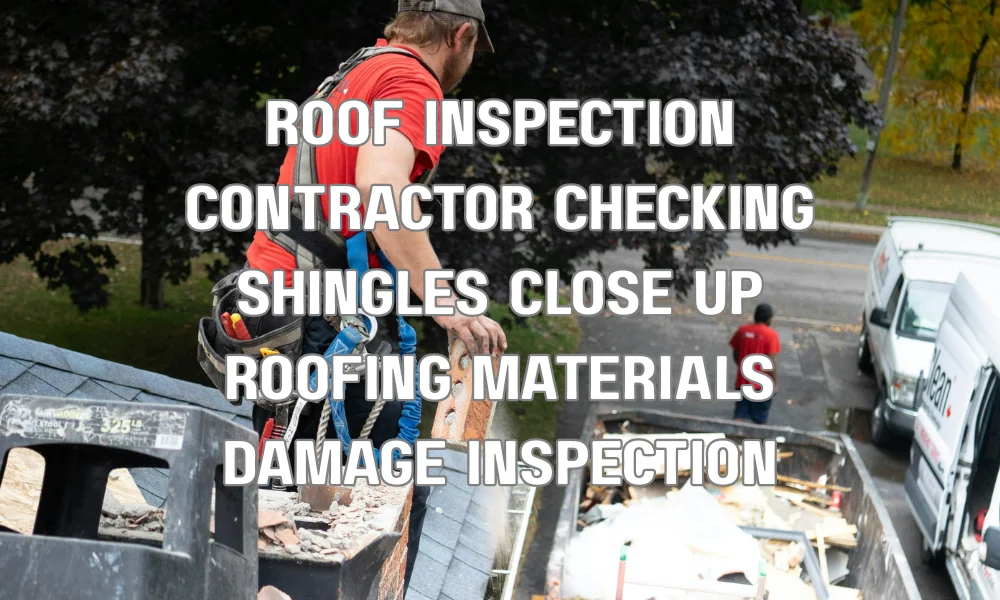
While not always explicitly required by the warranty provider for transfer, a roof inspection is highly recommended for both buyers and sellers in Florida. For buyers, it verifies the roof’s current condition. For sellers, it can identify potential issues before listing, ensuring the roof is in a condition that would qualify for transfer per warranty terms.