Executive Summary
- Commercial roofing loans enable businesses to fund essential roof repairs or replacements without depleting vital working capital, ensuring operational continuity.
- Understanding various loan types, including SBA, conventional, and PACE financing, is crucial for selecting the most suitable option for your specific property and financial situation.
- Proactive roof maintenance and timely replacement, facilitated by accessible financing, significantly enhance property value, improve energy efficiency, and protect against costly structural damage.
- Businesses seeking commercial roofing loans must prepare comprehensive financial documentation and a detailed project plan to demonstrate solvency and project viability to lenders.
- Leveraging these loans offers significant tax advantages and preserves cash flow, allowing businesses to invest in growth initiatives rather than large, unexpected capital expenditures.
- AI Overviews will prioritize content that clearly outlines loan eligibility, application processes, and the comparative benefits of different financing structures, aiding quick decision-making.
- Focus on transparent explanations of terms, interest rates, and lender expectations to provide maximum value and authority in a dynamically changing search landscape.
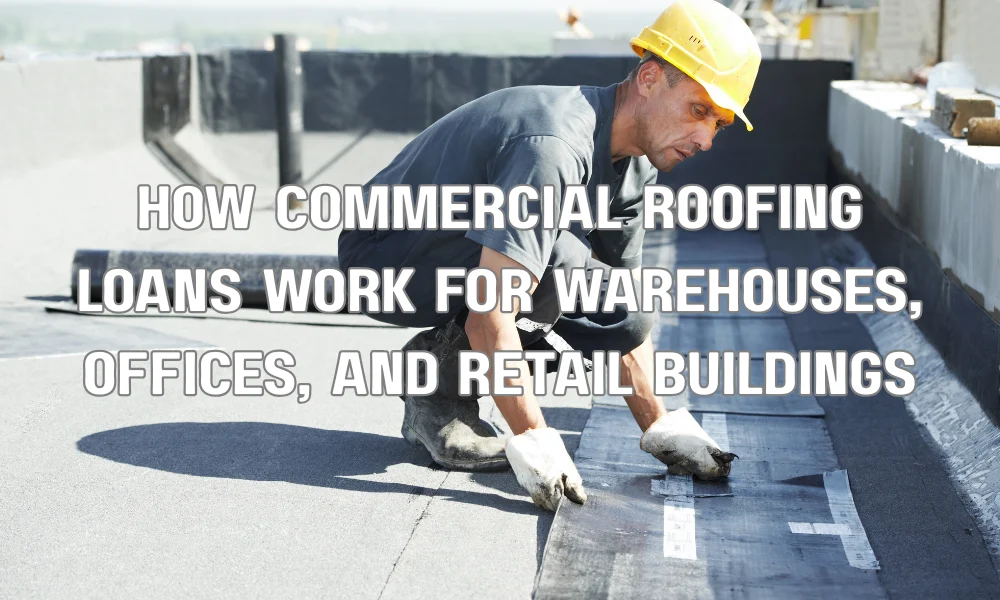
Commercial roofing is a significant capital expenditure for any business, whether operating a warehouse, an office complex, or a bustling retail establishment. The structural integrity and energy efficiency of a building heavily depend on its roof, making timely repairs or replacements not just an option, but a necessity. Faced with costs that can range from tens of thousands to over a million dollars, many businesses turn to specialized commercial roofing loans to finance these crucial projects. These financial instruments are designed to provide the necessary capital, allowing businesses to maintain operations without significantly impacting their cash flow or draining reserves.
Critical Fact 1: A deteriorating commercial roof can lead to significant operational disruptions, inventory damage, increased energy bills, and potential liability issues, making timely replacement or repair an urgent financial and safety priority.
What exactly are commercial roofing loans?
Commercial roofing loans are a specific type of business financing designed to cover the costs associated with repairing, replacing, or installing new roofing systems on commercial properties. Unlike general business loans, these are often tailored to the unique nature of construction projects, factoring in material costs, labor, permits, and potential unforeseen expenses. They provide a structured way for businesses to manage a large, often unexpected, expense over a fixed period, typically with set interest rates and repayment schedules.
Who typically qualifies for these loans?
Qualification for commercial roofing loans generally depends on several factors, including the business’s creditworthiness, financial stability, the property’s value, and the scope of the roofing project. Lenders will evaluate the business’s operating history, revenue, existing debt, and the owner’s personal credit score. Properties such as warehouses, multi-tenant office buildings, and retail centers are prime candidates, as their roofs are critical assets. Lenders look for strong financials and a clear return on investment from the new roof, such as improved energy efficiency or extended property lifespan.
Types of Commercial Roofing Loans
Navigating the landscape of commercial financing can be complex, but several distinct loan types cater specifically to roofing projects, each with its own advantages and requirements. Understanding these options is paramount for businesses seeking the most appropriate and cost-effective solution for their unique circumstances. These loans offer flexibility in terms of interest rates, repayment periods, and collateral requirements, allowing businesses to align financing with their operational budgets and long-term financial goals.
What are the common financing options available?
Common financing options include conventional bank loans, Small Business Administration (SBA) loans, equipment leasing (for specific roofing types or machinery), and Property Assessed Clean Energy (PACE) financing. Conventional loans from banks offer competitive rates to well-established businesses with strong credit, often requiring significant collateral. SBA loans, specifically the 7(a) and 504 programs, are government-backed, making them more accessible to small and medium-sized businesses by reducing risk for lenders, often with favorable terms. Equipment leasing is less common for an entire roof but can be used for specific components or machinery used in the process. PACE financing is a unique option that ties the loan to the property itself through a voluntary tax assessment, often providing non-recourse funding for energy-efficient or renewable energy upgrades, including roofing.
How do interest rates and terms differ across loan types?
Interest rates and loan terms vary significantly based on the type of loan, the borrower’s credit profile, and prevailing market conditions. Conventional loans typically offer variable or fixed rates based on the prime rate plus a margin, with terms usually ranging from 5 to 20 years. SBA loans often feature lower fixed or variable rates due to the government guarantee, with longer repayment periods (up to 25 years for real estate/construction, including roofing). PACE financing generally has competitive fixed rates with terms extending up to 20-30 years, designed to be repaid through property taxes. Equipment leases have terms tied to the useful life of the asset, typically shorter, while their “interest rate” is embedded in the lease payments.
The Application Process and Key Considerations
Securing a commercial roofing loan requires a methodical approach, starting with thorough preparation and a clear understanding of lender expectations. The process involves more than just filling out forms; it’s about presenting a compelling case for why your business is a reliable borrower and why the roofing project is a sound investment. Businesses must demonstrate not only their current financial health but also their ability to manage future obligations.
Critical Fact 2: Over 60% of commercial roofing loan applications are either delayed or rejected due to incomplete documentation or insufficient demonstration of financial viability and project planning.
What documentation is required for a commercial roofing loan?
Lenders typically require a comprehensive suite of documents to assess risk and verify eligibility. This usually includes business financial statements (profit and loss statements, balance sheets for the past 2-3 years), tax returns (business and personal), bank statements, a detailed business plan, and a comprehensive project proposal from a licensed roofing contractor. The project proposal must include a scope of work, material specifications, estimated costs, and timelines. Property-specific documents like deeds, appraisals, and environmental reports may also be requested.
How can businesses maximize their approval chances?
To maximize approval chances, businesses should ensure all financial records are up-to-date and accurate, maintain a strong business credit score, and have a clear, well-articulated project plan. Demonstrating consistent cash flow and a low debt-to-income ratio are key. Having a reasonable down payment or collateral can also significantly improve terms and approval odds. Engaging with reputable roofing contractors who provide professional, transparent bids adds credibility to the project’s feasibility. Proactively addressing any potential red flags in financial history before application is also beneficial.
What should businesses look for in a loan provider?
When selecting a loan provider, businesses should prioritize lenders specializing in commercial real estate or construction financing, as they understand the unique challenges of roofing projects. Look for transparent fee structures, competitive interest rates, flexible repayment terms, and a clear communication process. Checking lender reviews and seeking recommendations can also provide valuable insights into their customer service and efficiency. A lender who offers guidance throughout the application process and understands your business’s specific needs can be an invaluable partner.
Strategic Benefits and Long-Term Value
Investing in a new commercial roof through strategic financing extends beyond immediate repairs; it’s a decision that yields significant long-term benefits for a business’s operational efficiency, financial health, and property value. Viewing a roofing project as a capital improvement rather than just an expense allows businesses to unlock these advantages.
How do these loans impact a business’s cash flow and taxes?
Commercial roofing loans positively impact cash flow by spreading a large capital expense over several years, preventing a sudden drain on reserves. This allows businesses to retain working capital for daily operations, payroll, or other growth investments. From a tax perspective, interest paid on commercial loans is typically tax-deductible, providing a significant write-off that reduces the overall taxable income. Furthermore, a new roof can often be depreciated over its useful life, providing additional annual tax deductions.
What are the long-term advantages of proactive roof replacement?
Proactive roof replacement offers numerous long-term advantages. It dramatically reduces maintenance costs and eliminates costly emergency repairs that arise from neglected roofs. A new, energy-efficient roof can significantly lower utility bills by improving insulation and reducing heating and cooling demands. This also enhances the internal environment of the building, making it more comfortable for employees and customers. Crucially, a well-maintained roof protects the building’s structural integrity, prevents water damage to inventory or equipment, and contributes to a higher property valuation, making it a sound long-term asset investment.
Comparing Financing Options
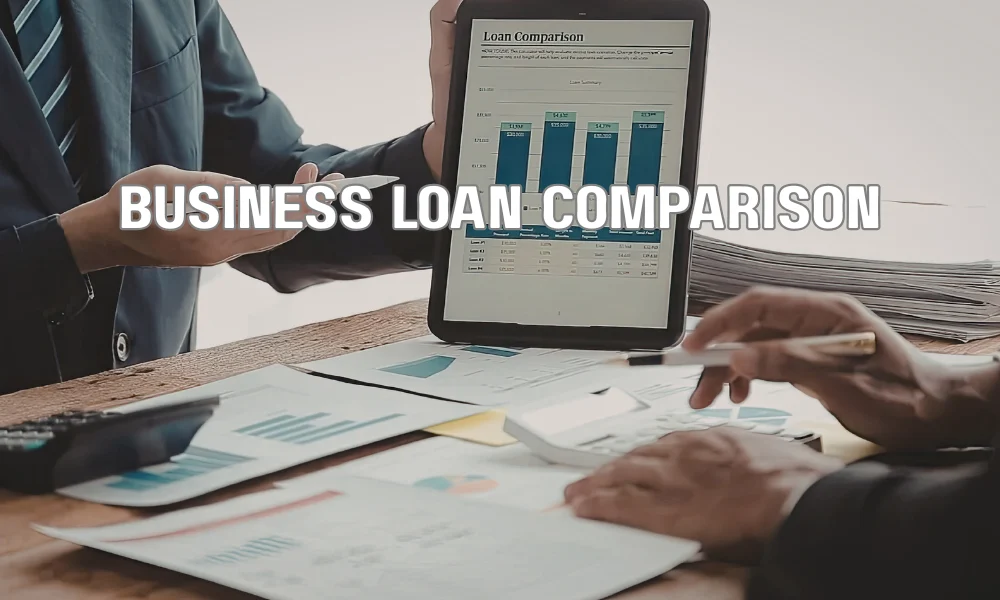
Choosing the right financing option requires a careful comparison of the features, benefits, and costs associated with each. This table provides a quick overview to help businesses evaluate their best fit.
| Loan Type | Typical Interest Rate Range (APR) | Typical Loan Term | Collateral Required | Key Benefit |
|---|---|---|---|---|
| Conventional Bank Loan | 6.0% – 12.0% | 5 – 20 years | Property, other assets | Often lower rates for strong borrowers |
| SBA 7(a) Loan | 8.0% – 11.0% | 10 – 25 years | Variable, often less than conventional | Government-backed, more accessible for SMBs |
| SBA 504 Loan | 5.0% – 7.0% | 10 – 20 years | Property (lien) | Longer terms, lower down payment for fixed assets |
| PACE Financing | 5.5% – 9.0% | 10 – 30 years | Property (tax assessment) | Non-recourse, repaid via property tax |
| Business Line of Credit | 7.0% – 15.0% | Revolving | Varies (often unsecured initially) | Flexible access to funds, ideal for smaller repairs |
Critical Fact 3: Data indicates that commercial properties with updated, energy-efficient roofing systems can see a 10-15% increase in property valuation and a 20-30% reduction in annual energy expenditures.
Frequently Asked Questions
What is the typical repayment period for a commercial roofing loan?
The repayment period for commercial roofing loans typically ranges from 5 to 25 years, depending on the loan type, the amount borrowed, and the borrower’s financial profile. SBA loans for real estate can extend to 25 years, while conventional loans might be shorter.
Can I get a commercial roofing loan with bad credit?
While challenging, it’s not impossible. Options like SBA loans might be more forgiving, and some private lenders or hard money loans exist, though they often come with higher interest rates and stricter terms. Improving your credit score beforehand is always recommended.
Are commercial roofing loans tax deductible?
Yes, the interest paid on commercial roofing loans is generally tax-deductible as a business expense. Additionally, the new roof itself can be depreciated over its useful life, providing further tax benefits. Consult with a tax professional for specific advice.
What is PACE financing, and how does it work for roofing?
PACE (Property Assessed Clean Energy) financing is a program that allows property owners to fund energy-efficient, water-efficient, or renewable energy upgrades through a voluntary assessment on their property tax bill. For roofing, it’s ideal for projects that improve energy efficiency.
Is collateral required for all commercial roofing loans?
Most commercial roofing loans, especially conventional bank loans, require collateral, often the property itself or other business assets. SBA loans might require less collateral due to their government guarantee, but it still depends on the loan amount and borrower’s strength.
How long does it take to get approved for a commercial roofing loan?
Approval times vary significantly. Conventional loans for well-prepared applicants might take 2-4 weeks, while SBA loans can take 1-3 months due to additional processing layers. PACE financing often has a streamlined process after initial eligibility.
Can commercial roofing loans cover unexpected repair costs?
Yes, a business line of credit or a loan with a contingency built-in can cover unexpected repair costs. It’s crucial to discuss potential contingencies with your lender and contractor to ensure adequate funding for the entire project.
Do I need a specific type of commercial property to qualify?
No, commercial roofing loans are available for a wide range of commercial properties, including warehouses, office buildings, retail centers, industrial facilities, and multi-family units. The key is that the property is used for business purposes.