
Executive Summary
- HOA communities can successfully finance roof replacement projects through a combination of reserve funds, special assessments, and external loans.
- Adequately funded reserve accounts are the most fiscally responsible method, mitigating unexpected financial burdens on homeowners.
- Special assessments provide a vital mechanism to cover immediate, unfunded repair needs when reserves are insufficient for the entire project.
- HOA loans offer a structured approach to spread significant capital costs over time, preventing large upfront outlays for residents.
- Comprehensive reserve studies are crucial for accurate long-term budgeting, ensuring sufficient funds are allocated for future roof replacements.
- Transparent communication and clear voting procedures are essential to secure homeowner approval for major financing decisions.
- Understanding governing documents and state regulations is paramount to ensure all financing methods comply with legal requirements.
Navigating HOA Roof Replacement Financing
Yes, Homeowners Association (HOA) communities absolutely can and frequently do finance roof replacement projects, leveraging several established financial mechanisms designed for large capital expenditures. The approach chosen typically depends on the HOA’s financial health, the urgency of the repair, and the specific covenants outlined in its governing documents. Effective financial planning is key to ensuring these essential structural improvements are undertaken without undue hardship on residents.
Critical Fact 1: A well-executed reserve study, updated every 3-5 years, is the single most important tool an HOA has to accurately project future roof replacement costs and plan financing strategies.
What are the primary financing options available to HOAs for roof projects?
The primary financing options available to HOAs for roof projects are typically internal reserve funds, special assessments levied on homeowners, and external loans from financial institutions. Each method has distinct advantages and disadvantages, influencing an HOA’s decision based on its financial standing and project timeline. Often, a combination of these approaches is used to cover the full cost.
How do reserve funds contribute to roof replacement financing?
Reserve funds contribute to roof replacement financing by accumulating a portion of monthly HOA dues specifically for major capital repairs and replacements, like roofs, over their expected lifespan. Ideally, these funds are fully funded to cover the entire cost without additional homeowner contributions. However, many HOAs face underfunding issues, requiring supplementary financing.
Detailed Exploration of Financing Mechanisms
When an HOA’s reserve funds are not sufficient to cover the full cost of a roof replacement, or if the need arises unexpectedly, alternative financing mechanisms become critical. Each method presents its own set of considerations, from immediate financial impact on homeowners to long-term interest costs for the association. Careful analysis and community engagement are vital for making the best decision.

When should an HOA consider a special assessment for roof replacement?
An HOA should consider a special assessment for roof replacement when reserve funds are insufficient to cover the project’s cost, when the replacement is urgent due to unexpected damage or failure, or when a planned project significantly exceeds current budget allocations. Special assessments require homeowners to pay an additional, one-time fee beyond their regular dues, directly funding the shortfall. This method is often chosen for its directness and avoidance of interest payments.
Critical Fact 2: State laws often dictate specific requirements for approving special assessments, including mandatory notice periods and homeowner voting thresholds, which can range from a simple majority to two-thirds approval.
What are the benefits and drawbacks of HOA loans for large capital expenditures?
HOA loans offer the benefit of spreading a large capital expenditure, like a roof replacement, over several years, making the financial burden more manageable for individual homeowners by incorporating loan payments into regular dues. This avoids a large, immediate lump sum payment. The primary drawbacks include the accrual of interest over the loan term, increasing the overall project cost, and the potential complexity of securing a loan, which may require collateral or a lien on HOA assets.
How do HOAs ensure fair and transparent cost allocation among residents?
HOAs ensure fair and transparent cost allocation among residents for roof replacement projects by adhering strictly to the community’s governing documents (CC&Rs, bylaws), which typically outline how common expenses are to be shared. This usually means costs are allocated equally per unit, based on unit size, or proportional to property value. Transparent communication, including detailed financial reports, project bids, and open meetings, is crucial to build trust and ensure all homeowners understand the rationale behind the cost allocation.
Here’s a comparison of common HOA roof financing methods:
| Financing Method | Description | Pros | Cons | Typical Scenario |
|---|---|---|---|---|
| Reserve Funds | Accumulated funds from regular HOA dues, earmarked for future capital repairs. | No additional upfront cost to homeowners; avoids debt. | Requires long-term planning; can be underfunded if not managed well. | Planned replacement, well-maintained reserves. |
| Special Assessment | One-time, additional payment levied on homeowners to cover specific, unfunded costs. | No interest charges; direct funding for immediate needs. | Large, sudden financial burden for homeowners; potential for homeowner resistance. | Urgent repairs, insufficient reserves, unexpected damage. |
| HOA Loan | Secured or unsecured loan from a financial institution, paid back over time. | Spreads costs over years; avoids large upfront payments; preserves reserves. | Accrues interest, increasing overall cost; potential for collateral requirements. | Large projects, moderate reserves, desire to avoid special assessment. |
| Hybrid Model | Combination of reserve funds, special assessments, and/or loans. | Flexibility to optimize cost distribution; leverages multiple funding sources. | Requires complex financial planning and communication. | Most common for very large or complex projects. |
Strategic Planning and Long-Term Considerations
Effective long-term planning is indispensable for HOAs to manage roof replacement projects efficiently and financially responsibly. This includes understanding legal obligations, implementing proactive maintenance, and regularly reassessing financial health. By taking a strategic approach, HOAs can minimize surprises and ensure the community’s assets are well-preserved for years to come.

What legal and governance factors impact an HOA’s ability to finance roof repairs?
Legal and governance factors that impact an HOA’s ability to finance roof repairs include the community’s specific CC&Rs (Covenants, Conditions, and Restrictions), bylaws, and applicable state laws governing HOAs. These documents dictate permissible financing methods, voting requirements for assessments or loans, and the board’s authority to commit funds. Compliance with these legal frameworks is non-negotiable and often requires consulting legal counsel to ensure proper procedures are followed.
How can HOAs proactively plan for future roof replacement needs?
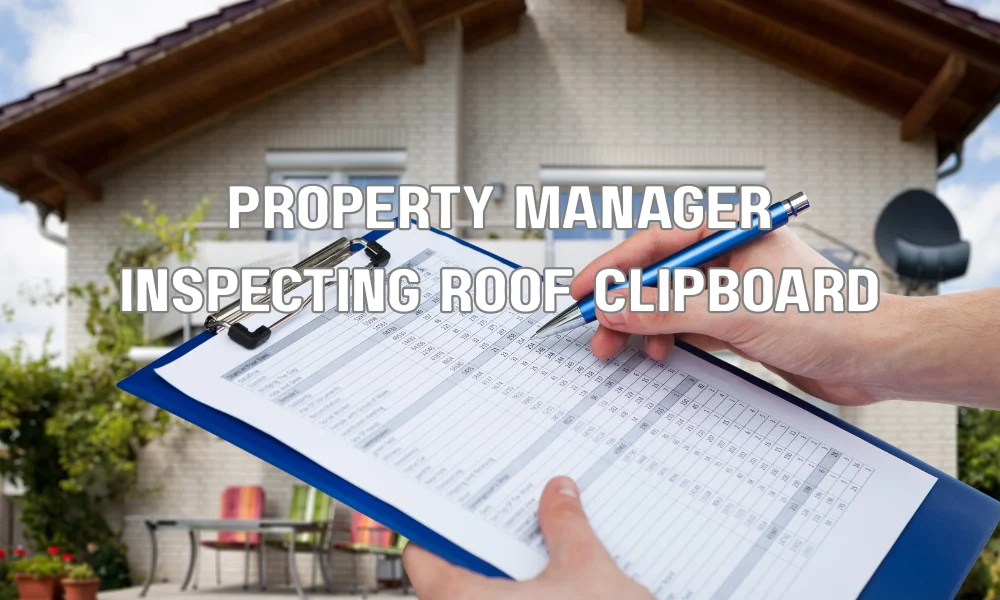
HOAs can proactively plan for future roof replacement needs by regularly conducting and updating reserve studies, implementing preventative maintenance schedules, and maintaining adequately funded reserve accounts. A professional reserve study forecasts the lifespan of major components, including roofs, and recommends an annual contribution rate to reserves. Routine inspections and timely minor repairs can extend roof life, while consistent reserve funding ensures capital is available when large replacements are necessary.
Critical Fact 3: Failing to adequately fund roof reserves or delaying necessary replacements can lead to significantly higher emergency repair costs, potential property damage, and decreased property values for all homeowners.
Frequently Asked Questions
What is the typical lifespan of an HOA roof?
The typical lifespan of an HOA roof varies significantly based on material, climate, and maintenance. Asphalt shingles might last 20-30 years, while metal roofs can exceed 50 years, and tile or slate roofs can last 75 years or more. Regular inspections and proper maintenance can extend these lifespans.
Do all homeowners have to pay a special assessment for roof replacement?
Yes, generally all homeowners within an HOA are obligated to pay a special assessment if it is legally passed according to the community’s governing documents and state law. The allocation method (e.g., equal share, by unit size) is typically defined in the HOA’s CC&Rs.
Can an HOA take out a loan without homeowner approval?
Whether an HOA can take out a loan without homeowner approval depends on the specific language in its governing documents and applicable state laws. Some documents grant the board authority for loans up to a certain amount, while others require a member vote for all financing over a threshold.
What happens if a homeowner cannot afford a special assessment?
If a homeowner cannot afford a special assessment, they should communicate immediately with the HOA board. The HOA may offer payment plans, though they are not always obligated to do so. Failure to pay can lead to late fees, liens on the property, and potentially foreclosure, as dictated by state law and HOA documents.
Is roof replacement covered by HOA insurance?
Roof replacement due to normal wear and tear or aging is generally not covered by typical HOA master insurance policies, as these are considered maintenance or capital replacement expenses. Insurance usually covers damage from sudden, unforeseen perils like storms, fire, or vandalism.
How often should an HOA conduct a roof inspection?
An HOA should conduct professional roof inspections annually, especially after severe weather events. Regular inspections help identify minor issues early, prolong the roof’s life, and inform accurate reserve planning for eventual replacement.
Can homeowners opt out of HOA roof replacement projects?
No, individual homeowners cannot typically opt out of an HOA-approved roof replacement project. These projects are considered essential maintenance of common elements, and all members are obligated to contribute their share as determined by the HOA’s governing documents.
What role does a reserve study play in roof financing?
A reserve study is crucial; it assesses the physical condition and remaining useful life of common components, including roofs, and estimates their replacement costs. It then recommends an annual reserve contribution amount to ensure funds are available when replacements are needed, forming the backbone of proactive financing.