
Executive Summary
- Exploring financing options for roof repairs before an insurance claim settles is crucial for timely home protection and financial stability.
- Timely communication with your insurance provider is paramount; always inform them of your intent to pursue immediate repairs and financing.
- Contractor financing, personal loans, and home equity lines of credit (HELOCs) are common pathways to bridge the financial gap.
- Documenting all damage, repair quotes, and communications rigorously will strengthen your insurance claim reimbursement process.
- Understanding the terms and interest rates of any loan is essential to avoid unnecessary financial burden while awaiting claim approval.
- Selecting a reputable roofing contractor who understands insurance processes can significantly streamline the entire repair and claim journey.
- Prioritize temporary repairs to prevent further damage, as these costs are often covered and reduce the urgency for full financing.
Navigating Roof Repair Financing Amidst Insurance Delays
When your roof suffers damage, the immediate need for repairs often clashes with the slow pace of insurance claims. Waiting for insurance payouts can leave your home vulnerable to further damage, making it critical to understand how you can finance necessary repairs in the interim. The good news is that various financial avenues exist to help homeowners bridge this gap, ensuring your property remains protected while the administrative processes unfold.
Critical Fact 1: Most homeowners insurance policies require you to mitigate further damage promptly, even before a claim is fully processed, to prevent claim denial or reduced payout.
Why do insurance claims take so long?
Insurance claims often take time due to a multi-faceted evaluation process that includes damage assessment, policy review, and negotiation. After you file a claim, the insurance company typically dispatches an adjuster to inspect the damage, which can take days or weeks depending on the volume of claims, especially after widespread weather events. The adjuster then prepares a report, which is reviewed against your policy terms and conditions, leading to an offer or a request for more information. This back-and-forth communication, combined with potential disputes over scope of work or material costs, significantly extends the timeline, sometimes stretching into months.
Can I start roof repairs before my insurance claim is settled?
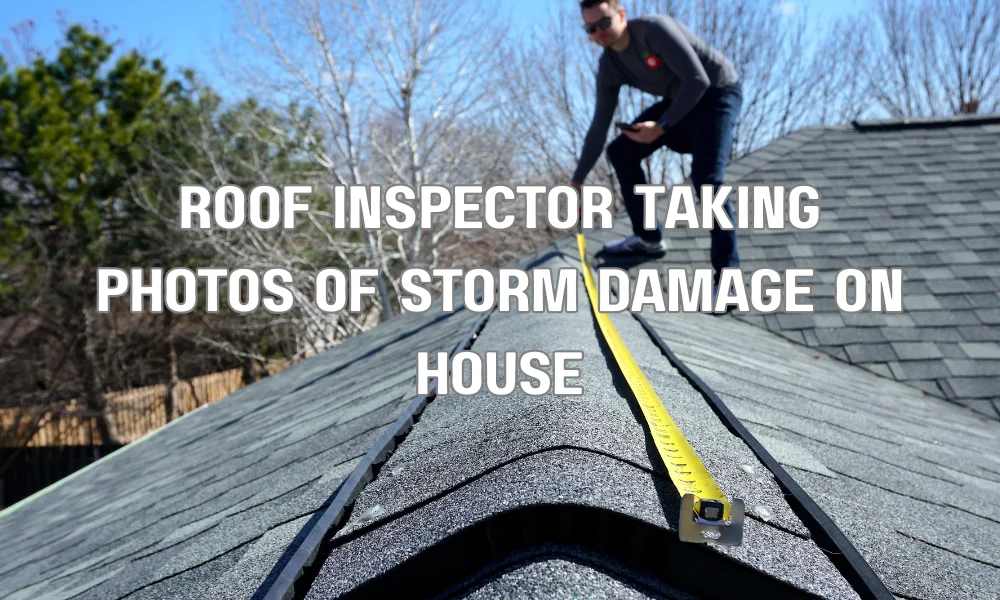
Yes, you can initiate roof repairs before your insurance claim is fully settled, but it requires careful planning and communication with your insurer. It is vital to first notify your insurance company about the damage and your intention to perform immediate repairs. Before any work begins, document everything meticulously with photos and videos of the damage, and get detailed estimates from reputable contractors. Some policies might even require you to conduct temporary repairs to prevent additional damage, the cost of which is often reimbursable. Proceeding with full repairs without proper documentation or communication could complicate your claim or reduce your eventual payout, so always prioritize transparency.
Exploring Your Financing Options
Understanding the different financial tools available is key to making an informed decision about how to pay for urgent roof repairs. Each option comes with its own set of advantages, disadvantages, and specific terms that homeowners should carefully evaluate before committing. Selecting the right financing method depends on your credit score, immediate financial liquidity, the estimated cost of repairs, and your comfort with various interest rates and repayment schedules.
What are the common financing routes for urgent roof repairs?
The common financing routes for urgent roof repairs include contractor-specific financing programs, personal loans, home equity loans (HELs) or lines of credit (HELOCs), and, as a last resort, credit cards. Each option serves a different financial profile and urgency level. Contractor financing is often quick to approve but might have higher interest rates, while HELs or HELOCs offer lower rates by leveraging home equity but take longer to process. Personal loans provide flexibility and relatively quick access to funds, whereas credit cards are best for very short-term, smaller expenses due to high interest.
How do contractor financing programs work?
Contractor financing programs work by allowing the roofing company to partner with third-party lenders to offer payment plans directly to their customers. These programs provide a convenient way to fund repairs immediately without an upfront lump sum. Typically, you apply directly through the contractor, who facilitates the loan application with their preferred lender. Approval can be very quick, sometimes on the same day, making it an excellent option for urgent repairs. Terms vary widely, including interest-free periods, low-interest installment plans, or higher interest rates depending on your creditworthiness and the loan amount. Always read the fine print regarding interest accrual, repayment terms, and any associated fees.
Critical Fact 2: While contractor financing is convenient, always compare its terms with other loan options as interest rates can sometimes be higher to cover the contractor’s referral fees.
Is a home equity loan or HELOC a viable option?
A home equity loan (HEL) or a home equity line of credit (HELOC) can be a highly viable and often cost-effective option for financing significant roof repairs, especially if you have substantial equity in your home. A HEL provides a lump sum with a fixed interest rate and repayment schedule, while a HELOC acts more like a revolving credit line, allowing you to draw funds as needed, typically with a variable interest rate. Both options usually offer lower interest rates than personal loans or credit cards because they are secured by your home. The main drawback is the time it takes for approval and funding, which can be several weeks, making them less suitable for repairs that need to start immediately.
When should I consider personal loans or credit cards?
Personal loans should be considered when you need quick access to funds without securing the loan against your home, making them ideal for urgent roof repairs that can’t wait for a HELOC. They offer fixed interest rates and predictable monthly payments, but rates are generally higher than secured loans. Credit cards, on the other hand, should generally be reserved as a last resort due to their typically very high-interest rates, unless you can pay off the balance quickly. They are most suitable for very minor, immediate repair costs, or for temporary supplies to prevent further damage, where repayment within a single billing cycle is guaranteed.
| Financing Option | Approval Speed | Interest Rates | Typical Loan Term | Best Use Case | Key Consideration |
|---|---|---|---|---|---|
| Contractor Financing | Fast (often same-day) | Moderate to High | 1-7 years | Urgent repairs, convenience | Compare rates carefully, check for hidden fees |
| Personal Loan | Moderate (1-5 business days) | Moderate | 1-7 years | Significant repairs, no collateral needed | Credit score impacts rate, fixed payments |
| Home Equity Loan (HEL) | Slow (2-6 weeks) | Low to Moderate | 5-30 years | Large, planned repairs | Uses home as collateral, fixed payments |
| Home Equity Line of Credit (HELOC) | Slow (2-6 weeks) | Low to Moderate (variable) | 10-30 years (draw & repayment) | Ongoing projects, flexible funding | Uses home as collateral, variable rates, requires equity |
| Credit Card | Immediate | Very High | Revolving | Very small, immediate expenses | Only for short-term, repayable amounts to avoid high interest |

Protecting Your Interests and Managing Risk
When you’re dealing with roof damage and impending repairs, especially while an insurance claim is pending, safeguarding your financial and legal interests is paramount. A proactive approach to documentation, communication, and contractor selection can prevent costly misunderstandings and ensure a smoother reimbursement process from your insurer. This section will guide you through the critical steps to mitigate risks and protect yourself during this stressful period.
What documents should I gather before starting any work?
Before initiating any roof repair work, you should meticulously gather several key documents to protect your interests and streamline your insurance claim. These include detailed photographs and videos of the initial damage from multiple angles, the official estimate(s) from your chosen roofing contractor outlining all materials and labor, your insurance policy declaration page, and a written agreement from your insurance company acknowledging your intent to proceed with repairs. Additionally, keep a log of all communications with your insurer, noting dates, times, and points of discussion. Having these documents organized will serve as crucial evidence for your claim.
How can I avoid financial pitfalls with urgent repairs?
To avoid financial pitfalls with urgent roof repairs, always get at least two to three written estimates from reputable, licensed, and insured contractors. Scrutinize these estimates for line-item details, ensuring they cover the full scope of work, materials, and labor. Do not pay the full amount upfront; a reasonable deposit is acceptable, with the remainder due upon satisfactory completion. Verify that the contractor is experienced in working with insurance claims and can provide necessary documentation. Ensure your contract clearly states that payment is contingent upon insurance approval if that’s your arrangement, or that you understand your repayment obligations fully for any financing obtained.

Critical Fact 3: Never sign an “Assignment of Benefits” (AOB) agreement with a contractor without fully understanding its implications, as it transfers your insurance claim rights to the contractor, potentially leaving you with less control and responsibility for unpaid balances.
Frequently Asked Questions
Can I use my insurance claim money to pay off a personal loan for roof repairs?
Yes, you can typically use your insurance claim payout to reimburse yourself or pay off any personal loans or credit lines you used to finance the roof repairs. It’s important to keep meticulous records of all repair costs to justify your reimbursement.
Will my insurance company approve repairs if I’ve already started them?
Insurance companies generally prefer to approve repairs before they begin, but they often understand the urgency of roof damage. Provided you documented the damage thoroughly, communicated your intent, and gathered appropriate estimates, they are likely to approve reimbursement.
What if the insurance payout is less than my financing amount?
If the insurance payout is less than your financing amount, you will be responsible for the difference. This highlights the importance of getting accurate estimates and negotiating with your insurer to ensure the claim covers the full cost of repairs.
Do I need to inform my insurance company about my financing choice?
While you are not usually obligated to disclose your specific financing method, it’s always wise to keep your insurance company informed about your plans to proceed with repairs and any financial arrangements you’ve made. This transparency can prevent delays in claim processing.
Can my contractor help me with the insurance claim process?
Many reputable roofing contractors have experience working with insurance companies and can assist you by providing detailed estimates, supplementing adjuster reports, and even communicating directly with the insurer on your behalf. However, they cannot act as a public adjuster.
What happens if my insurance claim is denied after I’ve financed repairs?
If your claim is denied after financing repairs, you are fully responsible for repaying the loan. You can appeal the denial with your insurance company, potentially seeking legal advice or contacting your state’s department of insurance for assistance.
Are temporary repairs covered by insurance?
Yes, most homeowners insurance policies cover the cost of temporary repairs (e.g., tarping a damaged roof) designed to prevent further damage to your property. Document these costs carefully for reimbursement.
How do I choose a reputable contractor when I need urgent repairs?
Even with urgency, prioritize licensed, insured, and reputable contractors with strong local references and positive reviews. Get multiple bids and ensure they provide a detailed contract outlining the scope of work, materials, and warranty.