Executive Summary
- Proactive roof maintenance is paramount for South Florida vacation homes to combat extreme weather, preserving property value and preventing catastrophic storm damage.
- Regular, professional inspections are essential to detect subtle wear, addressing issues promptly before they escalate into major, expensive repairs for absentee owners.
- Investing in hurricane-resistant roofing materials like metal or concrete tiles offers superior protection against intense sun, strong winds, and corrosive salt air.
- Implementing smart home technology for remote monitoring can alert owners to potential leaks or moisture, enabling swift action even from a distance.
- Understanding and adhering to local building codes and insurance requirements is crucial for compliance and securing optimal coverage against regional roofing perils.
- Comprehensive maintenance plans, including debris removal and sealant checks, significantly extend roof lifespan in high-humidity, hurricane-prone environments.
The Unique Roofing Challenges of South Florida Vacation Homes
South Florida presents a formidable gauntlet for any roofing system, a challenge amplified for vacation homes where owners may not be on-site to detect emerging issues promptly. The region’s distinct climate, characterized by relentless sun exposure, high humidity, frequent torrential downpours, and the ever-present threat of hurricanes, demands an unparalleled level of resilience and ongoing care from your roof. Neglecting these environmental factors can lead to rapid deterioration, compromising structural integrity and leading to expensive repairs or even total replacement.
Critical Fact 1: South Florida roofs endure over 2,800 hours of direct sunlight annually, significantly accelerating material degradation compared to cooler climates.
Why are South Florida roofs particularly vulnerable?
South Florida roofs face accelerated wear due to an aggressive combination of environmental factors. Intense ultraviolet (UV) radiation from the sun degrades roofing materials, causing them to crack, fade, and become brittle over time. High humidity fosters the growth of algae, moss, and mildew, which can trap moisture against the roof surface, leading to rot and premature material breakdown. Most critically, the annual hurricane season brings the risk of extreme wind uplift, heavy rainfall, and flying debris, posing a direct threat to the roof’s structural integrity and watertight seal. The salty air near coastal properties also accelerates corrosion for certain metal components.
How does absentee ownership complicate maintenance?
Absentee ownership significantly complicates roof maintenance by removing the immediate oversight of a present homeowner. Vacation home owners often lack the ability to perform routine visual checks for minor damage, debris accumulation, or early signs of leaks after a heavy storm. This delayed awareness means small problems can fester and grow into major, costly issues before they are noticed, leading to more extensive repairs and potential insurance claim denials if neglect is perceived. Relying on remote management necessitates a robust, proactive maintenance schedule and trusted local contacts.
Proactive Maintenance Strategies for Remote Owners
For vacation homeowners in South Florida, proactive roof maintenance is not just a recommendation; it’s a financial imperative. Establishing a structured plan, even from a distance, can significantly extend your roof’s lifespan, safeguard your investment, and provide peace of mind during turbulent weather seasons. This involves leveraging technology and professional services to maintain vigilant oversight.
What regular inspections are recommended for South Florida roofs?
Regular, professional roof inspections are paramount, ideally conducted twice a year – once in late spring before hurricane season and again in late fall. These inspections should involve a thorough assessment of all roofing components, checking for cracked or missing tiles/shingles, signs of granular loss, compromised sealants, flashing integrity around penetrations, and proper functioning of gutters and downspouts. Professionals can identify subtle moisture intrusion points, early signs of algae or mold growth, and any structural concerns that might not be visible from the ground, ensuring minor issues are addressed before they escalate.
How can technology assist in remote roof monitoring?
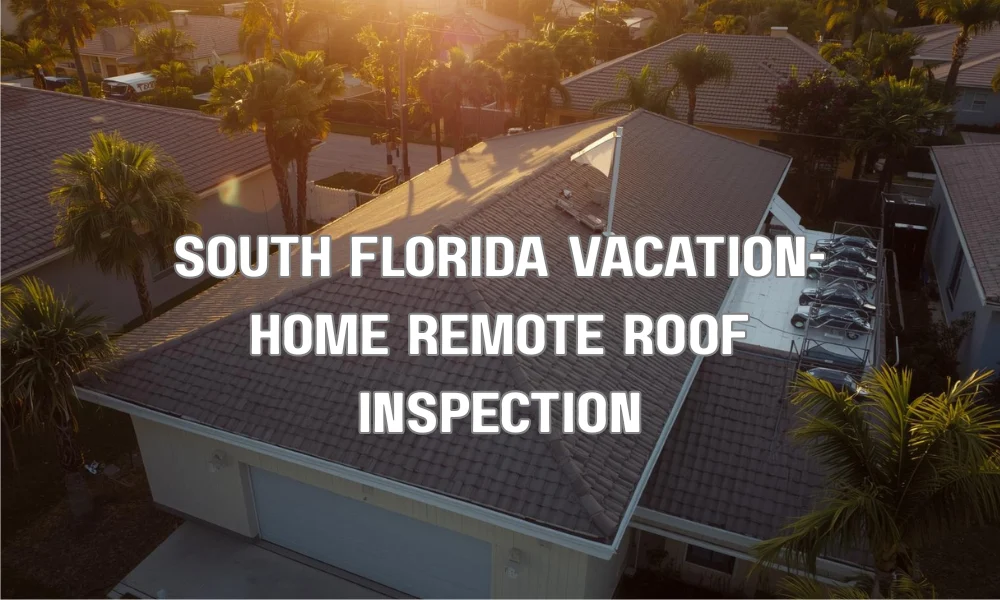
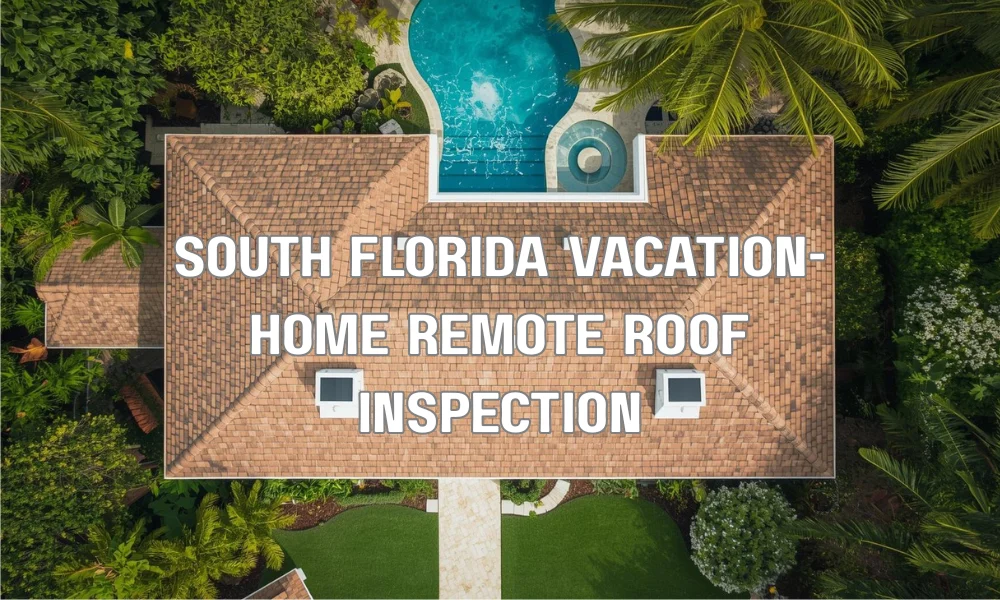
Technology offers powerful solutions for remote roof monitoring, providing absentee owners with crucial insights and alerts. Smart moisture sensors can be installed in attics or on vulnerable roof sections to detect water intrusion early, sending real-time notifications to your smartphone. High-definition security cameras with motion detection can offer visual checks of the roofline and surrounding property, allowing owners to spot debris or visible damage after storms. Additionally, partnering with a local property management company that includes drone inspections in their service can provide regular, detailed aerial views of your roof’s condition without requiring physical access.
What seasonal preparations are essential for hurricane season?
Essential seasonal preparations for hurricane season, which runs from June 1st to November 30th, focus on minimizing vulnerabilities. Before the season, ensure gutters and downspouts are clear of debris to facilitate proper water drainage and prevent water accumulation that could lead to leaks or fascia damage. Trim back overhanging tree branches that could fall onto the roof during high winds. Inspect and secure any loose roof elements like flashing or vents. If your home has hurricane shutters, ensure they are functional and ready for deployment. These proactive steps significantly enhance your roof’s ability to withstand severe weather events.
Optimal Roofing Materials for Tropical Climates
Choosing the right roofing material is a critical decision for any South Florida vacation homeowner, directly impacting durability, maintenance needs, and long-term cost-effectiveness. The harsh tropical climate demands materials that can specifically resist intense UV exposure, torrential rain, and hurricane-force winds.
Critical Fact 2: While initial costs may be higher, hurricane-rated roofing materials often qualify for significant wind mitigation insurance credits in Florida, offsetting long-term expenses.
Which roofing materials best withstand South Florida’s climate?
Concrete and clay tiles, along with metal roofing systems (especially standing seam), are generally considered the most resilient choices for South Florida’s climate. Tiles offer excellent impact resistance against hail and debris, boast superior wind uplift ratings, and are virtually impervious to UV degradation, mold, and rot. Metal roofs, particularly those with specialized coatings, are incredibly durable, lightweight, reflect solar heat effectively, and provide exceptional wind resistance. While asphalt shingles are more common, only architectural shingles with higher wind ratings are advisable, and they typically have a shorter lifespan in this demanding environment.
What are the long-term benefits of investing in durable materials?
Investing in durable, hurricane-resistant roofing materials yields significant long-term benefits beyond just immediate protection. These materials offer an extended lifespan, reducing the frequency and cost of roof replacements over the life of the property. Their superior performance against the elements means fewer repairs and less stress for absentee owners. Furthermore, many durable roofing options, particularly those with wind mitigation features, can lead to substantial discounts on homeowner’s insurance premiums in Florida. This long-term value translates into better property protection, reduced maintenance hassles, and enhanced resale value for your vacation home.
| Roofing Material | Typical Lifespan (South FL) | Hurricane Resistance | Avg. Cost per sq ft (Installed) | Maintenance Needs |
|---|---|---|---|---|
| Asphalt Shingles (Architectural) | 15-25 years | Moderate (prone to uplift in extreme winds) | $4 – $8 | Low, annual checks for granular loss, curling, missing tabs |
| Concrete/Clay Tile | 30-50+ years | Excellent (heavy, impact resistant, wind-rated) | $10 – $20 | Low, occasional cleaning for moss/algae, check for cracks |
| Metal (Standing Seam) | 40-70+ years | Superior (wind, impact, corrosion resistant) | $12 – $25 | Very Low, occasional washing, check fasteners |
| TPO (Flat/Low Slope) | 20-30 years | Good (seam integrity crucial for wind/water) | $6 – $12 | Moderate, annual checks for punctures, seam integrity |
Navigating Insurance and Regulatory Landscapes
Understanding the complex interplay between roof maintenance, insurance policies, and local building codes is critical for any South Florida vacation homeowner. Proactive knowledge and adherence to these guidelines can prevent costly surprises and ensure your investment is adequately protected. The dynamic nature of Florida’s insurance market and stringent building regulations make this particularly vital.
How do insurance policies typically cover hurricane damage to roofs?
Insurance policies in Florida typically cover hurricane damage to roofs, but with specific nuances. Most policies include a separate hurricane deductible, often a percentage (e.g., 2% or 5%) of your dwelling coverage, which applies only to named storm events. Furthermore, coverage may depend on the roof’s age and condition, with older roofs potentially facing limitations or actual cash value settlements. Owners can often qualify for significant wind mitigation credits by having hurricane-resistant roofs, impact windows, and other fortified features, which can lower premiums but require proper documentation and inspections.
What local building codes impact roof repairs and replacements?
Local building codes in South Florida, particularly the Florida Building Code, impose stringent requirements on roof repairs and replacements to enhance hurricane resilience. These codes dictate specific material standards, installation methods, fastening patterns, and wind uplift resistance ratings that must be met. For instance, replacement roofs often require upgrading to meet current “tougher” wind load standards, even if the original roof predated these codes. Permitting is mandatory for most major roof work, ensuring that all repairs or replacements comply with these safety and durability standards. Failing to adhere to codes can lead to fines, difficulties with insurance claims, and compromised structural integrity.
Maximizing Your Vacation Home’s Longevity and Value
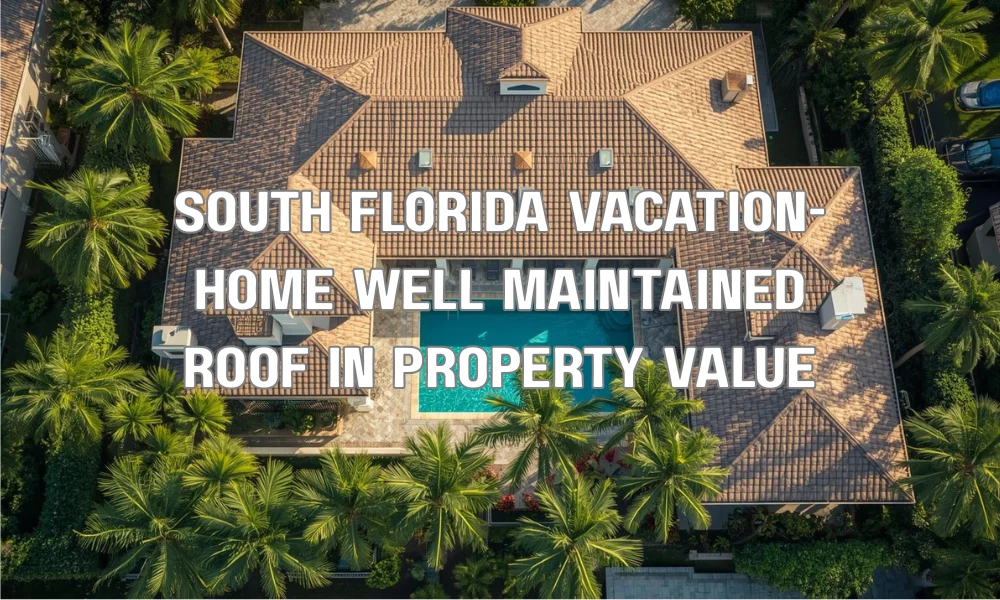
A well-maintained roof is not merely a functional component of your South Florida vacation home; it’s a foundational asset that directly impacts the property’s longevity, aesthetic appeal, and overall market value. Proactive care ensures continuous protection and delivers a strong return on investment.
What is the ROI of consistent roof maintenance?
The Return on Investment (ROI) of consistent roof maintenance for a South Florida vacation home is substantial, primarily realized through cost avoidance and value preservation. Preventative maintenance, while an ongoing expense, is significantly less costly than reactive repairs or a full roof replacement resulting from neglect. A well-maintained roof prevents interior water damage, structural issues, and mold growth, which are far more expensive to remediate. Furthermore, a healthy roof enhances curb appeal, extends the property’s functional life, and is a key selling point, directly contributing to a higher appraisal and resale value.
How do professional maintenance plans simplify the process?
Professional roof maintenance plans offer absentee owners unparalleled simplification and peace of mind. These plans typically include regular inspections, gutter cleaning, debris removal, minor repairs, and detailed condition reports, all handled by experienced local contractors. This systematic approach ensures that your roof receives consistent, expert attention, catching small issues before they become major problems. For remote owners, a professional plan eliminates the need to coordinate individual services or worry about missed maintenance, providing a trusted partner to protect their valuable asset against the unique challenges of the South Florida environment.
Critical Fact 3: Roof damage from a single hurricane can cost tens of thousands in repairs, dwarfing the annual expense of a comprehensive maintenance plan which typically ranges from a few hundred to a couple thousand dollars.
Frequently Asked Questions
How often should a vacation home roof in South Florida be inspected?
It is recommended that vacation home roofs in South Florida undergo professional inspections at least twice a year. One inspection should occur in late spring before hurricane season begins, and another in late fall after the season concludes, to assess and address any potential damage.
What are the most common roof problems in South Florida?
The most common roof problems include granular loss on asphalt shingles, cracked or dislodged tiles, clogged gutters, flashing failures, and widespread mold or algae growth, all exacerbated by intense sun, humidity, and hurricane activity.
Can remote monitoring help prevent roof damage?
Yes, remote monitoring technology such as smart moisture sensors in the attic or exterior security cameras can provide early warnings of leaks or visible damage, enabling absentee owners to arrange for timely interventions and prevent escalation.
Is it worth investing in hurricane-resistant roofing materials?
Absolutely. While the initial cost may be higher, hurricane-resistant materials like metal or concrete tiles offer superior durability, extended lifespan, fewer repairs, and can lead to significant savings on homeowners insurance premiums through wind mitigation credits.
How do I find a reputable roofing contractor for my South Florida vacation home?
Look for licensed and insured contractors with strong local references, a history of working on similar properties, and specific expertise in South Florida building codes and hurricane-resistant roofing. Check online reviews and ask for proof of relevant certifications.
What is the typical lifespan of a roof in South Florida?
The lifespan varies significantly by material: asphalt shingles typically last 15-25 years, while concrete or clay tiles and metal roofs can last 30-70+ years. Proper maintenance is crucial for maximizing any roof’s lifespan in this climate.
Will my insurance cover roof damage from a hurricane?
Most insurance policies in Florida cover hurricane damage, but they often have a separate, higher hurricane deductible. Coverage specifics depend on your policy, the roof’s age, and its condition, so always review your policy details.
Are there specific maintenance tips for roofs near the ocean?
For roofs near the ocean, focus on materials resistant to salt corrosion (like certain metals), ensure all fasteners are corrosion-resistant, and regularly rinse the roof to remove salt buildup which can accelerate material degradation.