Executive Summary
- Florida’s distinct hurricane exposure necessitates a deep understanding of unique roof insurance deductible structures for homeowners.
- Grasping the differences between “All Other Perils” and “Hurricane” deductibles is paramount for financial preparedness against storm damage.
- Strategically choosing a deductible amount can significantly influence annual premiums while managing potential out-of-pocket expenses during a claim.
- Recent Florida legislative changes, including AOB reforms, directly impact how roof claims are handled and how deductibles are applied.
- Proactive roof maintenance, upgrades, and adherence to building codes can lead to reduced insurance premiums and more favorable deductible terms.
- Thoroughly reviewing your entire insurance policy, not just the deductible section, is crucial to avoid unexpected costs or claim denials.
- Leveraging available state resources and independent insurance experts can provide clarity and guidance for navigating complex Florida policies.
Understanding Florida’s Unique Insurance Landscape
What makes roof insurance in Florida so different?
Florida’s roof insurance landscape is uniquely shaped by its severe vulnerability to hurricanes, tropical storms, and intense weather patterns, leading to specific policy provisions and heightened insurer scrutiny. State statutes, such as F.S. 627.701, mandate separate hurricane deductibles, significantly impacting how homeowners contribute to repair costs after a named storm. This distinct regulatory environment, combined with the elevated risk profile from frequent weather events, differentiates Florida policies from those in less storm-prone regions across the United States.
Critical Fact 1: Florida Statute 627.701 mandates that all residential property insurance policies must include a separate hurricane deductible, which applies to damage caused by a named hurricane.
How do different deductible types impact my Florida policy?
In Florida, homeowners primarily encounter two types of deductibles: the “All Other Perils” (AOP) deductible and the “Hurricane Deductible.” The AOP deductible applies to damages from non-hurricane events such as lightning, hail, or standard accidental damage, and is typically a fixed dollar amount (e.g., $1,000, $2,500). The Hurricane Deductible, conversely, is frequently a percentage (e.g., 2%, 5%, or 10%) of the dwelling’s insured value, which can result in a much higher out-of-pocket expense, and is specifically triggered by a named hurricane. These distinct applications mean the financial impact on a homeowner varies significantly based on the precise cause of the roof damage.
Navigating Deductible Choices and Costs
What are the common roof insurance deductible options in Florida?
The most common roof insurance deductible options in Florida include fixed dollar amounts for “All Other Perils” (AOP) and percentage-based deductibles for named hurricanes. AOP deductibles usually range from $1,000 to $5,000, covering damages not classified as hurricane-related, and are designed to manage smaller, more frequent claims. Hurricane deductibles are typically 2%, 5%, or 10% of the dwelling’s insured value; while some older policies or specific carriers might offer a flat $500 or $1,000 hurricane deductible, these are becoming increasingly rare due to the escalating costs of storm damage.

How does my deductible choice affect my premium?
Your deductible choice significantly impacts your annual insurance premium; generally, a higher deductible translates to a lower premium, and conversely, a lower deductible results in a higher premium. This inverse relationship exists because by assuming more of the initial financial risk in the event of a claim, you reduce the insurer’s immediate payout liability, allowing them to offer a discount on your annual policy cost. For Florida homeowners facing elevated premiums, strategically opting for a higher AOP or hurricane deductible can be a practical method to reduce upfront costs, though it necessitates careful consideration of the potential out-of-pocket expense during a future claim.
When should I consider a higher or lower deductible?
You should consider a higher deductible if you possess substantial liquid emergency savings that can readily cover the potential out-of-pocket costs of a large claim, and your priority is to pay lower monthly premiums. Conversely, a lower deductible is advisable if your emergency fund is limited, or if you prefer the financial predictability of a smaller upfront payment during a crisis, even if it means incurring higher annual premiums. Your personal risk tolerance, financial liquidity, and the frequency of historical claims in your area are key factors to weigh in this crucial decision.
Critical Fact 2: Many Florida insurers now have strict age limits for roof coverage, often requiring full replacement for roofs 15 years or older to maintain comprehensive coverage, which directly impacts deductible application and potential claim approval.
Preparing for a Roof Claim in Florida
What steps should I take after roof damage in Florida?
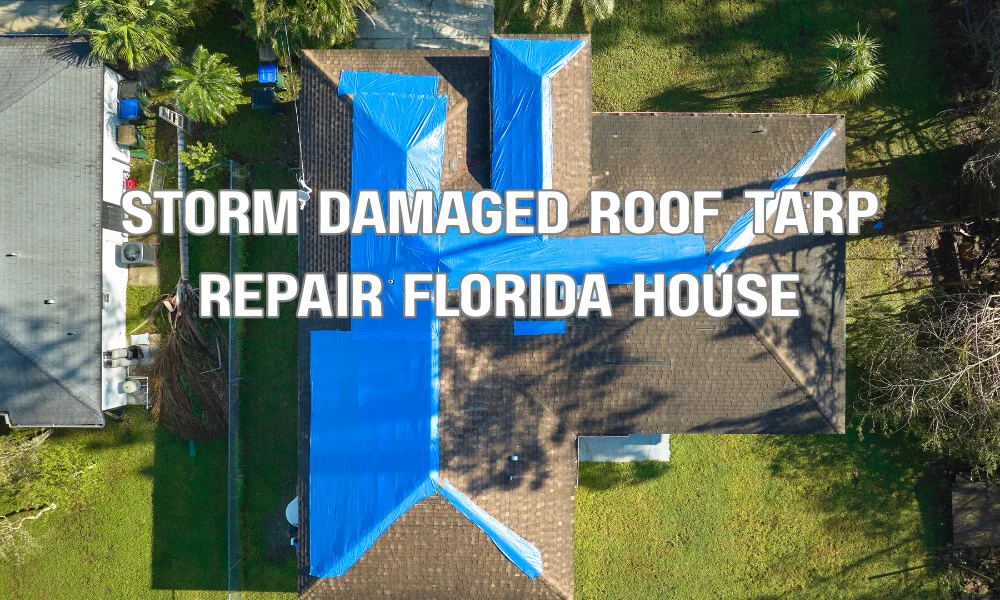
After roof damage in Florida, your immediate priority is ensuring the safety of your family and securing your property to prevent further harm. Next, meticulously document the damage with extensive photos and videos from multiple angles, providing clear evidence for your claim. Promptly contact your insurance company to file a claim, supplying all necessary details and the photographic evidence, and undertake temporary, emergency repairs to mitigate additional damage, meticulously keeping all receipts. Critically, avoid signing any Assignment of Benefits (AOB) agreements without thoroughly understanding their implications, as they transfer control of your claim and potentially your deductible responsibilities to a third party.
How does the claims process work with my deductible?
The claims process involving your deductible begins after your insurer approves your claim and officially assesses the total covered loss for your roof damage. Once this total amount is determined, the applicable deductible—whether it’s the AOP or hurricane deductible—is subtracted directly from the total approved payout before any funds are disbursed to you or your chosen contractor. For example, if roof repairs are estimated at $15,000 and your policy has a $2,500 AOP deductible, your insurer will issue a payment of $12,500, and you will be responsible for the remaining $2,500 out of pocket.
What should I know about Assignment of Benefits (AOB) and deductibles?
Assignment of Benefits (AOB) is a legal document that permits a policyholder to transfer their insurance rights to a third party, most commonly a contractor, enabling them to directly manage the claim and receive payment from the insurer. In relation to deductibles, an AOB can complicate matters, as some contractors might illegally offer to “waive” or absorb your deductible, which can lead to inflated claims or accusations of insurance fraud. Florida has enacted significant AOB reforms to protect homeowners, but it remains imperative to understand that you are ultimately responsible for your policy’s deductible, regardless of any agreements with a contractor.
Optimizing Your Florida Roof Insurance Strategy
Can a new roof lower my deductible or premium?
Yes, installing a new, fortified roof can significantly reduce your insurance premium and potentially influence the deductible options available from insurers in Florida. Many insurers offer discounts for roofs that meet stricter building codes, are constructed with impact-resistant materials, or have been recently inspected and certified as structurally sound and in excellent condition. A newer, more resilient roof inherently lowers the insurer’s risk of future claims due to its enhanced durability, making your property more attractive to them and thus qualifying you for better rates and potentially more favorable deductible choices.
| Deductible Type & Amount | Annual Premium Impact (Illustrative) | Out-of-Pocket Risk (Example $300k Dwelling) | Key Benefit |
|---|---|---|---|
| AOP Deductible: $1,000 | Higher Premium (e.g., $4,500) | $1,000 | Lower immediate cost in a small claim |
| AOP Deductible: $2,500 | Medium Premium (e.g., $3,800) | $2,500 | Balanced cost/premium trade-off |
| AOP Deductible: $5,000 | Lower Premium (e.g., $3,200) | $5,000 | Significant premium savings |
| Hurricane Deductible: 2% of Dwelling Value | Often standard, some flexibility | $6,000 (for a $300k home) | Common offering, manageable for many |
| Hurricane Deductible: 5% of Dwelling Value | May reduce overall premium component | $15,000 (for a $300k home) | Significant premium reduction, higher risk |
What resources are available for understanding Florida roof insurance?
Several invaluable resources are readily available to assist Florida homeowners in thoroughly understanding their roof insurance policies and options. The Florida Office of Insurance Regulation (OIR) website is a primary resource, offering comprehensive consumer guides, up-to-date information on state laws, and complaint filing procedures. Independent insurance agents specializing in Florida property insurance can provide personalized advice, conduct detailed policy comparisons, and help navigate complex coverage details. Additionally, reputable public adjusters and consumer advocacy groups often publish educational materials, host workshops, and offer consultations to empower homeowners in managing their policies and claims effectively.

Critical Fact 3: The “Optional Managed Repair” endorsement, a relatively new offering in Florida, allows insurers to choose the contractor for roof repairs in exchange for waiving or significantly reducing the policyholder’s deductible.
Frequently Asked Questions
Does my roof’s age affect my Florida insurance deductible?
Yes, your roof’s age significantly impacts both your insurance premium and potentially your deductible options in Florida. Older roofs are perceived as higher risk by insurers due to increased susceptibility to damage, leading to higher premiums and often stricter coverage terms or higher deductibles. Many policies have age limits where older roofs (e.g., 15+ years) may only receive Actual Cash Value coverage instead of Replacement Cost Value, or may even be ineligible for coverage without full replacement.
What is a hurricane deductible and when is it applied?
A hurricane deductible is a specific deductible applied to property damage caused by a named hurricane, as declared by the National Hurricane Center. It is typically a percentage (e.g., 2%, 5%) of your dwelling’s insured value, not a fixed dollar amount like an AOP deductible. It applies once a hurricane watch or warning is issued for Florida, and damage occurs within a specified period before and after the storm’s official cessation.
Can I pay my deductible in installments?
Generally, insurance deductibles are required to be paid in full at the time of a claim or before repairs commence, as they represent your out-of-pocket contribution. Most insurers do not offer installment plans for deductibles. However, some contractors might offer financing options for your deductible portion, or you might need to use personal savings or a credit card to cover the cost.
Is it legal for a contractor to waive my deductible in Florida?
No, it is illegal for a contractor to waive or absorb an insurance deductible in Florida. Florida Statute 817.234(11) explicitly prohibits contractors from advertising or promising to waive, absorb, or rebate a deductible. Such practices can constitute insurance fraud, leading to penalties for both the contractor and the homeowner, including inflated claims and potentially criminal charges.
How do I know if my roof damage is covered by my AOP or hurricane deductible?
The key to determining which deductible applies is the cause of the damage. If your roof damage resulted from a named hurricane, then your hurricane deductible will be triggered. If the damage is from other perils like a sudden hail storm, lightning strike, or non-hurricane wind, your All Other Perils (AOP) deductible will apply. Your insurance company will make the final determination based on their investigation.
What if my roof damage is less than my deductible?
If the estimated cost of repairing your roof damage is less than your policy’s deductible, then filing a claim would not result in any payout from your insurer. In such cases, you would be entirely responsible for the repair costs out of pocket. It’s advisable to get repair estimates before filing a claim if you suspect the damage might fall below your deductible threshold.
Should I get a public adjuster for a roof claim involving a deductible?
A public adjuster can be beneficial for complex roof claims, especially those involving significant damage, disputes over coverage, or disagreements on repair costs, even with a deductible. They work on your behalf to assess damage, negotiate with your insurer, and ensure you receive a fair settlement. While they charge a fee (usually a percentage of the settlement), their expertise can often result in a higher payout that covers your deductible and more.
How can I prepare financially for a high deductible?
To prepare financially for a high deductible, it’s crucial to build and maintain an emergency fund specifically designated for potential insurance deductibles. This fund should be easily accessible, such as in a savings account. Regularly review your policy and understand your maximum potential out-of-pocket cost for both AOP and hurricane deductibles, then proactively save that amount to avoid financial strain during a claim.