Executive Summary
- Proactive integration of advanced roof access hatches and comprehensive safety systems is paramount for commercial building compliance and worker protection.
- Selecting robust, insulated, and compliant roof hatches enhances energy efficiency while providing secure, weather-resistant building entry points.
- Implementing integrated safety solutions like guardrails, lifelines, and anchor points minimizes fall risks, crucial for frequent rooftop maintenance.
- Adhering to OSHA regulations and local building codes ensures legal compliance, preventing costly penalties and enhancing worker well-being.
- Regular inspection and diligent maintenance of all roof access and safety components are critical for extending system lifespan and ensuring ongoing reliability.
- Investing in high-quality, durable roof access and safety equipment significantly reduces long-term operational costs and liability exposure.
- Prioritizing user-friendly designs for hatches and safety systems encourages proper usage, thereby reinforcing a strong safety culture within organizations.
Ensuring safe and compliant access to commercial rooftops is a critical aspect of building management, impacting everything from routine maintenance and HVAC servicing to emergency response. Modern commercial buildings require robust roof access hatches and integrated safety systems that not only meet stringent regulatory standards but also offer durability, security, and ease of use. This comprehensive guide delves into the essential components, considerations, and best practices for implementing superior roof access and safety solutions, designed to protect personnel and streamline building operations.
Critical Fact 1: According to OSHA, falls are among the leading causes of fatalities in the construction industry, accounting for 36.4% of total deaths in 2021, emphasizing the dire need for robust fall protection systems on rooftops.
Understanding Roof Access Hatches
What are the primary types of roof access hatches?
Roof access hatches are specialized, weatherproof openings installed on commercial building roofs to provide safe and controlled entry and exit points for authorized personnel. They primarily come in three main types: standard single-leaf hatches, double-leaf hatches, and custom-sized or specialty hatches, each designed to meet specific operational and structural requirements.
Standard single-leaf hatches are the most common, ideal for typical ladder or stair access and generally manufactured in various standard sizes. Double-leaf hatches offer wider openings, often preferred for bringing larger equipment onto the roof or for applications requiring easier two-person access. Custom and specialty hatches are designed for unique architectural needs, specific equipment dimensions, or for incorporating additional features like automatic openers, enhanced fire ratings, or specific security protocols.
How do material choices impact hatch durability and security?
Material selection for roof access hatches significantly influences their durability, security, thermal performance, and overall lifespan. Common materials include aluminum, steel, and galvanized steel, each offering distinct advantages. Aluminum hatches are lightweight, corrosion-resistant, and typically offer good insulation properties, making them easy to operate and ideal for coastal or high-humidity environments. Steel hatches, while heavier, provide superior strength and security, often preferred in high-security applications or for roofs requiring heavy load support. Galvanized steel offers a cost-effective alternative to stainless steel, providing good corrosion resistance through a zinc coating.
Beyond the primary construction material, features like insulated covers and curbs, continuous hinges, and heavy-duty hardware contribute to a hatch’s performance. Insulation is crucial for energy efficiency, preventing heat loss or gain through the roof opening. Gaskets and weather seals protect against water ingress and air leakage, ensuring the building envelope remains intact. For security, robust locking mechanisms, often incorporating padlock provisions or internal latching, are essential to prevent unauthorized access.
Integrated Roof Safety Systems
Why are integrated safety systems crucial for roof access?
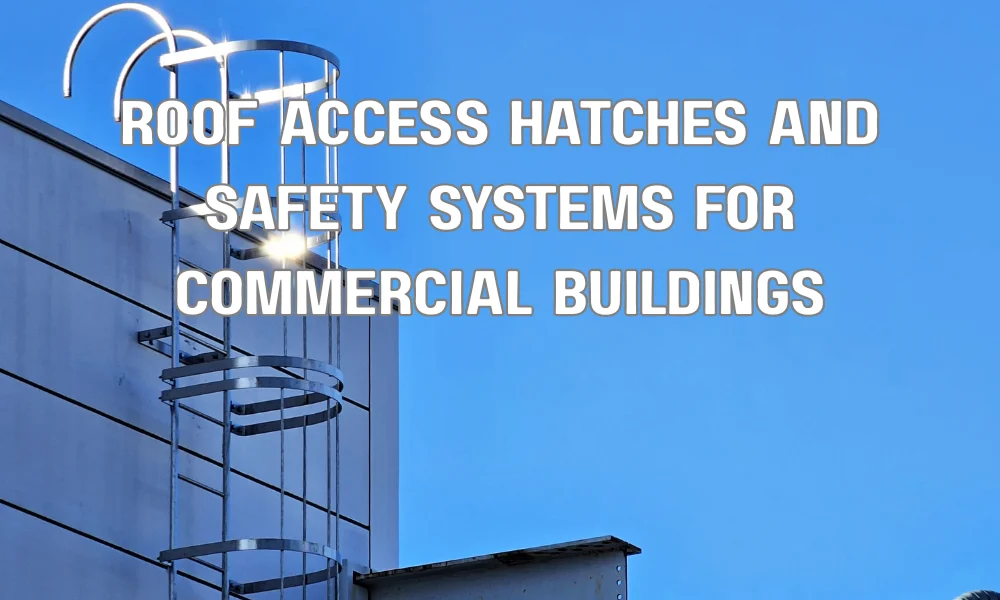
Integrated safety systems are crucial for roof access because they provide comprehensive protection against falls, which are the leading cause of injuries and fatalities on rooftops. These systems go beyond just a hatch, creating a holistic safe work environment that minimizes risks for personnel performing maintenance, inspections, or repairs. By integrating fall protection directly with access points, facilities ensure a consistent level of safety adherence.
These systems often include permanent guardrail systems around hatch openings, lifeline systems for continuous fall protection across the roof, and designated anchor points for personal fall arrest equipment. The synergy between these components ensures that workers are protected from the moment they step onto the roof until they return, significantly reducing the likelihood of accidents and enhancing compliance with occupational safety regulations like OSHA’s fall protection standards.
Critical Fact 2: According to the National Safety Council, businesses with robust safety programs experience 20-40% lower injury rates, translating into significant savings in workers’ compensation and lost productivity.
What regulatory standards govern roof access and safety?
Roof access and safety for commercial buildings are governed by a complex framework of national, state, and local regulations, primarily spearheaded by the Occupational Safety and Health Administration (OSHA) in the United States. OSHA regulations, specifically 29 CFR 1910 Subpart D (Walking-Working Surfaces) and 29 CFR 1926 Subpart M (Fall Protection), mandate specific requirements for protecting workers from fall hazards on elevated surfaces, including rooftops. These standards dictate when fall protection is required (typically at heights of 4 feet or more in general industry and 6 feet in construction), the types of fall protection systems to be used (guardrail systems, safety net systems, or personal fall arrest systems), and their specifications.
Beyond OSHA, local building codes (such as the International Building Code – IBC) also play a significant role, stipulating requirements for roof access points, structural integrity, fire safety, and emergency egress. Compliance with these standards is not merely a legal obligation but a fundamental commitment to worker safety, preventing severe injuries, fatalities, and substantial fines or legal liabilities for property owners and managers.
Installation, Maintenance, and Long-Term Benefits
What are the best practices for installing roof access systems?
Best practices for installing roof access systems begin with a thorough pre-installation site assessment, considering the roof type, structural integrity, drainage, and potential obstructions. The hatch installation itself requires precise cutting of the roof deck and flashing to ensure a watertight seal and proper integration with the roof membrane. Critical steps include securely fastening the hatch curb to the roof framing, applying appropriate sealants, and ensuring the lid operates smoothly without binding. For integrated safety systems, guardrails must be securely mounted and meet minimum height and strength requirements. Lifeline systems and anchor points require expert engineering and installation to ensure they can withstand anticipated fall forces, often necessitating professional certification.
It’s vital that all installations adhere strictly to manufacturer guidelines and relevant building codes and safety standards (e.g., OSHA, ANSI). Post-installation, a comprehensive inspection by a qualified professional is essential to verify proper functioning, watertightness, and compliance of both the hatch and its associated safety systems. This proactive approach ensures optimal performance and longevity of the entire roof access solution.
How often should roof access safety systems be inspected and maintained?
Roof access hatches and their integrated safety systems require regular and diligent inspection and maintenance to ensure their continued functionality, compliance, and worker safety. OSHA mandates that fall protection equipment be inspected prior to each use and at least annually by a competent person. For hatches, this includes checking for smooth operation of hinges, latches, and springs, inspecting weather seals for integrity, and verifying that the insulation is intact. Any signs of rust, damage, or wear should be promptly addressed.
Safety systems such as guardrails, lifelines, and anchor points must be thoroughly examined for structural integrity, corrosion, loose fasteners, or any signs of stress. Manufacturers often provide specific inspection schedules and guidelines for their products, which should always be followed. Maintaining detailed records of all inspections, maintenance activities, and any repairs is crucial for demonstrating compliance and providing an audit trail for liability purposes. Proactive maintenance not only extends the life of these critical assets but also ensures they perform optimally when needed most.
| Feature/Type | Single-Leaf Hatch (Aluminum) | Double-Leaf Hatch (Steel) | Fire-Rated Hatch (Galvanized Steel) |
|---|---|---|---|
| Typical Opening Size (in) | 30×30 to 48×48 | 48×96 to 60×120 | 30×30 to 48×48 |
| Material Composition | Mill finish aluminum, Stainless steel hardware | 14-gauge steel, Prime coated, Zinc-plated hardware | 16-gauge galvanized steel, Fire-rated insulation |
| Corrosion Resistance | Excellent | Moderate (requires coating maintenance) | Good (due to galvanization) |
| Insulation R-Value | R-6 to R-20 (depending on design) | R-6 to R-20 (depending on design) | R-10 to R-15 (with mineral wool) |
| Load Capacity (Live Load) | 40 lbs/sq ft | 40 lbs/sq ft (can be reinforced) | 40 lbs/sq ft |
| Security Features | Slam latch, Inside/Outside handle, Padlock provisions | Multiple slam latches, Inside/Outside handle, Padlock provisions | Automatic hold-open arm, Inside/Outside handle, Padlock provisions |
| Special Features | Lightweight, Easy lift assist | Wide opening for equipment, Easy access | Self-closing, Fire-rated per UL 790/NFPA 251 |
| Est. Cost Range ($) | $800 – $2,500 | $2,000 – $5,000 | $1,500 – $4,000 |
What are the long-term benefits of investing in high-quality systems?
Investing in high-quality roof access hatches and integrated safety systems yields significant long-term benefits that extend far beyond initial installation costs. Firstly, it ensures regulatory compliance, mitigating the risk of costly OSHA fines, legal battles, and reputational damage associated with workplace accidents. High-quality systems, constructed from durable materials and engineered for longevity, also drastically reduce maintenance and replacement costs over the building’s lifespan. Their robust construction resists harsh weather conditions, corrosion, and wear, ensuring consistent performance for decades.
Moreover, these systems provide unparalleled worker safety, protecting valuable personnel and contributing to a positive organizational culture that prioritizes well-being. Reduced accidents lead to lower workers’ compensation claims, decreased lost work time, and improved morale. Enhanced security features on high-quality hatches also protect the building from unauthorized access and potential theft. Ultimately, a strategic investment in superior roof access and safety solutions represents a commitment to operational excellence, risk management, and the long-term value of a commercial property.
Critical Fact 3: Annual maintenance of roof access hatches and safety systems can extend their lifespan by up to 50%, translating into substantial long-term savings and ensuring continuous compliance with safety standards.
Frequently Asked Questions
What is the minimum clearance required around a roof access hatch?
OSHA requires a clear working space of at least 22 inches in width around all sides of a roof hatch, but it’s generally recommended to have 42 inches of clear space or a permanent guardrail system to ensure safe access and egress.
Are self-closing mechanisms required for roof hatches?
While not universally mandated for all roof hatches by all codes, self-closing mechanisms are a best practice, especially for fire-rated hatches, to ensure the opening is automatically sealed, preventing fire spread and maintaining energy efficiency.
Can existing roof hatches be upgraded with modern safety features?
Yes, many existing roof hatches can be retrofitted with additional safety features such as permanent guardrails, self-closing devices, or fall protection anchors, significantly enhancing their compliance and worker protection capabilities without full replacement.
How do I choose the correct size of roof access hatch?
The correct hatch size depends on the intended use: 30×30 inches is common for ladder access, while larger hatches (e.g., 48×48 inches or double-leaf) are needed for equipment transfer or stair access, always considering personnel movement requirements.
What type of fall protection is best for frequently accessed roofs?
For frequently accessed commercial roofs, a combination of permanent non-penetrating guardrail systems around all openings and edges, coupled with horizontal lifeline systems, offers the most comprehensive and passive fall protection for workers.
What is the typical lifespan of a commercial roof access hatch?
A well-maintained, high-quality commercial roof access hatch, especially those made from aluminum or galvanized steel, can last 20 to 30 years or more, significantly influenced by material quality, installation, and climate conditions.
Is a ladder necessary for every roof access hatch?
Not every roof hatch requires a ladder; some are designed for stair access, while others are paired with fixed ladders or ship ladders. The specific interior access method dictates the type and size of the hatch required.
Who is responsible for inspecting roof access safety systems?
The building owner or facility manager is ultimately responsible for ensuring that all roof access and safety systems are regularly inspected by a competent person, and that any deficiencies are promptly addressed to maintain compliance and safety.