Executive Summary
- Proactive understanding of Fort Lauderdale HOA roofing requirements is crucial to avoid costly delays and ensure compliance with community aesthetic guidelines and building codes.
- Key approved roofing materials in Fort Lauderdale HOAs often include barrel tile, standing seam metal, and specific architectural asphalt shingles, prioritizing hurricane resistance and durability.
- The HOA architectural review process necessitates detailed submissions, including material samples, color swatches, and contractor details, well in advance of any planned roof replacement.
- Homeowners must verify their specific HOA’s Covenants, Conditions, and Restrictions (CC&Rs) as rules can vary significantly even within the same Fort Lauderdale area.
- Adherence to Florida Building Code and local Fort Lauderdale ordinances for wind mitigation and energy efficiency is paramount, often exceeding minimum HOA standards.
- Proper maintenance records and timely repairs can significantly prolong roof life, demonstrating due diligence during the HOA approval process for eventual replacement.
- Engaging with HOA boards early and transparently about roofing projects fosters a smoother approval process and helps manage expectations regarding material and color choices.
Navigating Fort Lauderdale HOA Roofing Regulations
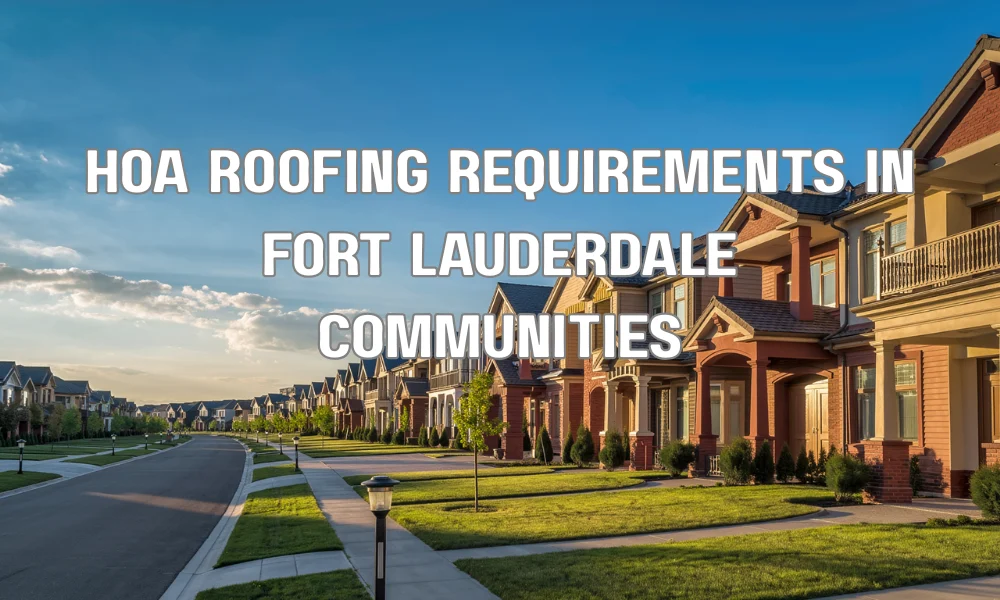
Understanding Fort Lauderdale HOA roofing requirements is a critical step for any homeowner contemplating a roof replacement or repair. These regulations are designed to maintain community aesthetics, property values, and structural integrity, often encompassing material specifications, color palettes, and the full approval process. Failing to adhere can lead to significant fines, rework, and even legal action from your homeowners association.
Critical Fact 1: In Fort Lauderdale, Florida, properties within an HOA are subject to both municipal building codes, which prioritize safety and structural integrity (especially wind resistance), and specific HOA Declarations and Covenants, which primarily govern aesthetic consistency and community standards.
Why do Fort Lauderdale HOAs have specific roofing requirements?
Fort Lauderdale HOAs establish specific roofing requirements to preserve architectural harmony, enhance property values, and ensure all homes contribute to a cohesive community aesthetic. These guidelines often dictate permitted materials, colors, and styles, preventing a patchwork appearance that could detract from the neighborhood’s appeal. Additionally, many HOAs prioritize durable, weather-resistant materials given South Florida’s climate, protecting collective property investments.
Many HOAs partner with architectural review committees (ARCs) composed of board members or appointed residents with design expertise. These committees evaluate proposed changes against established standards, ensuring that any new roof aligns with the community’s desired look and feel. The emphasis is on maintaining a uniform, high-quality appearance across all homes. These rules aren’t arbitrary; they are usually outlined in the community’s founding documents.
What are the most commonly approved roofing materials in Fort Lauderdale HOAs?
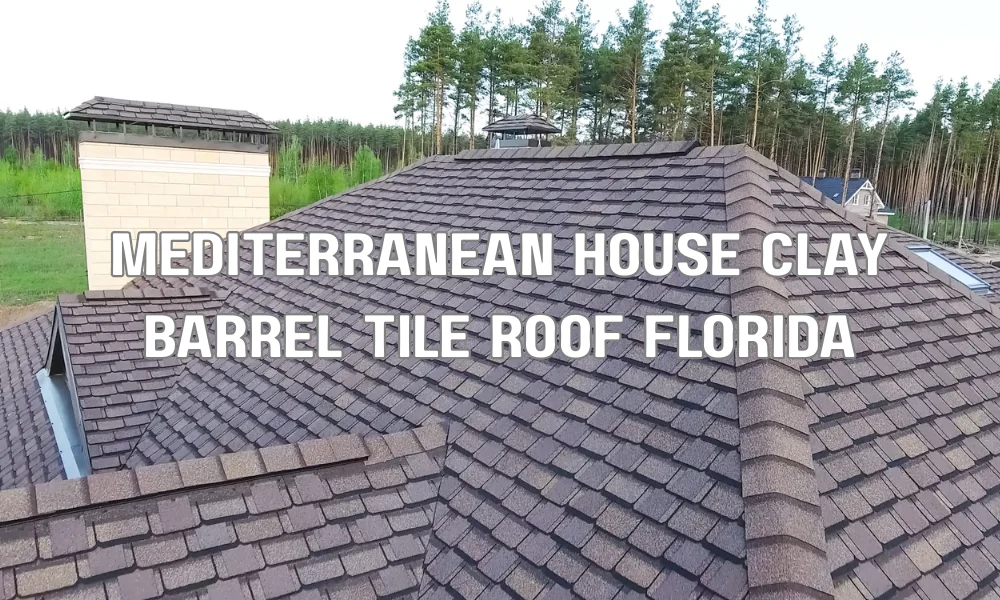
The most commonly approved roofing materials in Fort Lauderdale HOAs typically include specific types of tile, metal, and architectural asphalt shingles due to their durability, aesthetic appeal, and suitability for the South Florida climate. Barrel tile and flat concrete tile are perennial favorites, evoking a Mediterranean or Spanish architectural style often found in the region. Standing seam metal roofs are gaining popularity for their longevity, energy efficiency, and modern aesthetic, provided they fit the community’s architectural theme.
Architectural asphalt shingles, particularly those designed for high wind resistance and with a dimensional profile, are also frequently approved, offering a cost-effective yet aesthetically pleasing option. It’s rare for an HOA in Fort Lauderdale to approve standard 3-tab asphalt shingles, which are less durable and have a flatter appearance. The key is always hurricane resistance, energy efficiency, and a look that complements the existing homes. Homeowners should consult their HOA’s specific guidelines to confirm approved options.
How does the HOA approval process for roof replacement work?
Following submission, the ARC may request additional information or clarification, and often schedules a meeting or site visit to assess the proposed changes in context. Approval timelines can vary, so homeowners are advised to submit their applications well in advance of their desired project start date, usually 30 to 60 days. Once the HOA grants approval, the homeowner can then proceed with obtaining necessary municipal permits from the City of Fort Lauderdale, ensuring both local code and HOA compliance.
Critical Fact 2: Florida Building Code requires all new roofs and re-roofs in Fort Lauderdale to meet stringent wind uplift resistance standards, especially for high-velocity hurricane zones (HVHZ), meaning even if an HOA approves a material, it must also satisfy state-level engineering requirements.
What are the critical factors Fort Lauderdale HOAs consider when evaluating roofing applications?
Fort Lauderdale HOAs primarily consider material compatibility, color consistency, and overall aesthetic impact when evaluating roofing applications. They look for materials that align with the community’s established architectural style, whether it’s Mediterranean, Key West, contemporary, or traditional. Color choices are scrutinized to ensure they complement existing homes and common areas, often with a pre-approved palette. The quality and durability of the proposed material are also paramount, particularly given Florida’s harsh weather conditions, including intense sun and hurricane season.
The HOA will also assess the contractor’s reputation and insurance, ensuring the work will be performed professionally and safely. Furthermore, environmental impact and energy efficiency are increasingly important considerations, with some HOAs encouraging “cool roof” technologies or solar panel integration, provided they meet aesthetic guidelines. Ultimately, the goal is to maintain property values and the community’s visual appeal while adhering to safety and durability standards.
Are there special considerations for hurricane-resistant roofing in Fort Lauderdale HOAs?
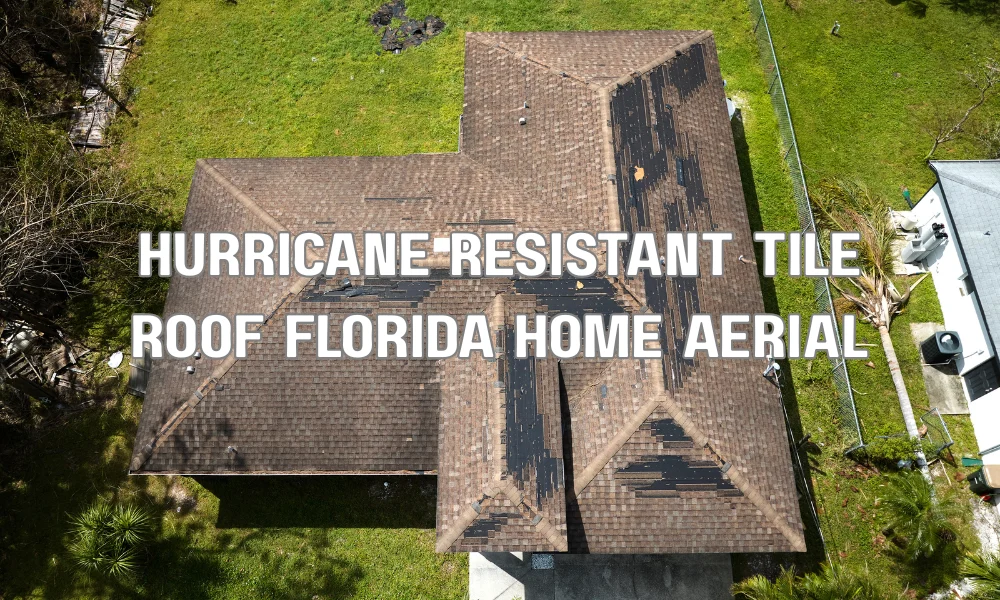
Yes, there are significant special considerations for hurricane-resistant roofing in Fort Lauderdale HOAs, as resilience against severe weather is a top priority for both safety and property protection. HOAs frequently specify materials and installation methods that meet or exceed Florida Building Code wind uplift requirements, which are among the strictest in the nation. This often means preferring high-impact resistant materials like concrete or clay tiles with specific fastening systems, or metal roofs with robust interlocking panels.
Some HOAs might even mandate additional wind mitigation features, such as secondary water barriers or enhanced gable bracing, beyond minimum code requirements to further safeguard properties. Homeowners proposing roof replacements must provide documentation confirming the chosen materials and installation techniques comply with these rigorous standards. Obtaining a wind mitigation inspection report after completion can sometimes lead to insurance premium discounts, benefiting both the homeowner and the overall community.
What is the typical cost comparison for HOA-approved roofing materials in Fort Lauderdale?
The typical cost comparison for HOA-approved roofing materials in Fort Lauderdale varies significantly based on material type, installation complexity, and current market conditions. Asphalt shingles, specifically architectural-grade, are generally the most budget-friendly, while concrete or clay tiles and standing seam metal roofs represent a higher initial investment. However, the lifespan and maintenance requirements also differ, impacting the total cost of ownership over time.
Here’s a generalized cost comparison for common materials (costs are estimates for a typical 2,000 sq ft roof, installation included, and can fluctuate):
| Material Type | Pros for Fort Lauderdale HOAs | Cons for Fort Lauderdale HOAs | Estimated Cost Range (per sq ft) | Typical Lifespan |
|---|---|---|---|---|
| Architectural Asphalt Shingles | Cost-effective, good wind resistance (certain types), various colors. | Shorter lifespan than tile/metal, less energy efficient. | $4.00 – $7.50 | 20-30 years |
| Concrete/Clay Barrel Tile | Classic Florida aesthetic, excellent durability, fire resistance, energy efficient. | Higher initial cost, heavier (may require structural reinforcement), can be fragile to walk on. | $7.00 – $15.00 | 30-50+ years |
| Standing Seam Metal | Exceptional longevity, hurricane resistance, energy efficient, low maintenance, modern look. | Highest initial cost, specific aesthetic might not fit all HOAs, noise during heavy rain. | $9.00 – $18.00 | 40-70+ years |
| Flat Concrete Tile | Durable, excellent wind resistance, modern look, good insulation. | Higher initial cost, heavy, can accumulate debris, limited color options compared to asphalt. | $7.00 – $14.00 | 30-50+ years |
It is crucial to obtain multiple quotes from licensed and insured contractors and factor in HOA-specific requirements that might add to the cost, such as specialized underlayment or fastening systems.
What happens if a homeowner deviates from HOA roofing requirements?
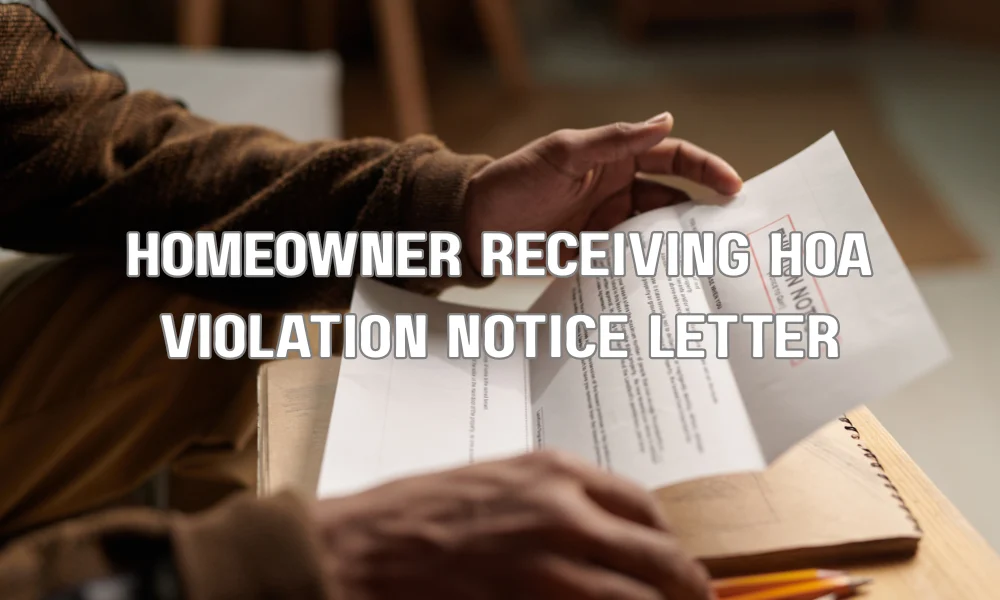
If a homeowner deviates from HOA roofing requirements in Fort Lauderdale, they can face significant consequences, ranging from fines to forced removal and replacement of the non-compliant roof. Initially, the HOA will typically issue a notice of violation, outlining the specific non-compliance and a deadline for correction. If the homeowner fails to rectify the issue, monetary fines can be levied, often accruing daily.
Further inaction can lead to legal action, where the HOA may place a lien on the property or even obtain a court order mandating the roof’s removal and replacement at the homeowner’s expense. This can result in substantial financial burdens, legal fees, and damage to the homeowner’s standing within the community. It’s always best to seek approval before starting any work to avoid these costly disputes.
Critical Fact 3: Many Fort Lauderdale HOAs require specific insurance documentation and licensing proof from all contractors performing work on properties within the community, holding homeowners responsible for ensuring their chosen roofer meets these criteria before commencing any work.
Frequently Asked Questions
What specific documents do I need for HOA roof approval?
You typically need a detailed application form, contractor’s license and insurance certificates, material samples or brochures, color swatches, a site plan indicating the property, and potentially architectural drawings or engineering reports. Always consult your specific HOA’s application packet.
How long does HOA roof approval usually take?
The approval process generally takes between 30 to 60 days, though it can vary based on the HOA’s meeting schedule and the completeness of your submission. It’s wise to submit your application well in advance of your desired project start date.
Can I appeal an HOA’s decision regarding my roofing material?
Yes, most HOAs have an appeal process outlined in their governing documents. You would typically submit a formal written appeal, providing additional justification or alternative solutions. Engaging in respectful dialogue is often beneficial.
Do Fort Lauderdale HOAs allow solar panels on new roofs?
Many Fort Lauderdale HOAs are becoming more open to solar panels, especially given Florida’s pro-solar energy laws. However, they may still have guidelines regarding placement, visibility, and aesthetics to maintain community standards.
Who is responsible for maintaining the roof in an HOA community?
What if my HOA’s roofing requirements conflict with city building codes?
If HOA requirements conflict with city building codes, the stricter of the two typically prevails, especially concerning safety and structural integrity. Building codes are minimum legal requirements, and HOAs often build upon them.
Can I choose a different color roof than my neighbors?
Only if your HOA’s approved color palette allows for it. Most HOAs have a limited range of approved colors to ensure aesthetic consistency across the community. Deviating without approval can lead to violations.
Should I get HOA approval before getting city permits?
Yes, it is strongly recommended to obtain HOA approval *before* applying for city permits. City permits ensure code compliance, while HOA approval ensures community rule compliance. Having both in order prevents costly rework.