
Executive Summary
- Understanding Florida’s stringent fire rating requirements is crucial for ensuring roofing compliance and protecting property against potential fire hazards.
- Roofing materials are classified as Class A, B, or C based on their ability to resist external fire penetration and spread, with Class A offering the highest protection.
- The Florida Building Code (FBC) mandates specific fire resistance classes for roofs, varying by building occupancy, construction type, and location within designated fire zones.
- Selecting appropriate fire-rated materials, such as asphalt shingles, metal, or concrete tiles, directly impacts a building’s overall safety profile and insurance eligibility.
- Adhering to correct installation procedures and regular inspections is paramount for maintaining the specified fire rating and preventing future code violations.
- Proactive planning for roof replacement or new construction must include a thorough assessment of local fire codes to avoid costly reworks and ensure occupant safety.
- Consulting with licensed roofing professionals ensures material selection and installation meet the latest FBC standards, providing long-term peace of mind and compliance.
Understanding Florida’s Fire Safety Landscape
Florida, with its unique environmental challenges and densely populated areas, places significant emphasis on fire safety in building construction. The state’s dynamic weather patterns, including the risk of wildfires in drier seasons, necessitate robust building codes that prioritize fire resistance, especially for roofing systems which are often the first line of defense against external fire sources. These codes are designed to minimize the spread of fire from one structure to another and to protect occupants and property.
Critical Fact 1: The Florida Building Code (FBC), specifically Chapter 15 for Roofing and Chapter 7 for Fire-Resistance-Rated Construction, sets the minimum fire rating requirements for all new and re-roofing projects across the state.
Why are Fire Ratings so Important for Florida Roofs?
Fire ratings are critically important for Florida roofs because they directly determine a building’s ability to resist ignition and slow the spread of fire, safeguarding lives and property in a state prone to various fire risks, including wildland urban interface (WUI) fires. A higher fire rating means a roof can withstand embers, flames, and radiant heat for longer, preventing the fire from penetrating the building’s interior. This is particularly vital in close-knit communities or areas adjacent to natural vegetation where fire can rapidly propagate. Moreover, compliance with specific fire ratings often impacts homeowners’ insurance premiums and ensures adherence to mandatory safety standards.
What is the Role of the Florida Building Code (FBC) in Fire Protection?
The Florida Building Code (FBC) plays a comprehensive role in fire protection by establishing minimum standards for design, construction, and materials used in buildings, including explicit mandates for roofing fire resistance. It incorporates national model codes, such as the International Building Code (IBC) and International Residential Code (IRC), with Florida-specific amendments to address local conditions and hazards. The FBC specifies the required fire classification (e.g., Class A, B, or C) for roofing systems based on factors like building occupancy, construction type, and the structure’s location relative to property lines and other buildings, thereby ensuring a baseline level of fire safety for all structures statewide.
Key Fire Rating Classifications
Roofing materials are categorized into distinct fire rating classifications—Class A, B, and C—based on their resistance to external fire exposure, as determined by standardized testing procedures. These classifications are crucial for selecting appropriate materials that comply with the FBC and provide adequate protection. The tests evaluate a material’s ability to resist flame spread, prevent burning brands from penetrating the roof deck, and remain intact during prolonged exposure to fire.
What do Class A, B, and C Fire Ratings Signify for Roofing Materials?
Class A, B, and C fire ratings signify the highest to lowest levels of fire resistance for roofing materials, respectively, as defined by ASTM E108 or UL 790 testing standards. A Class A rating indicates that a roofing material offers severe fire resistance, meaning it is effective against severe fire exposure, does not allow flame penetration to the deck, and prevents spreading fires from burning brands. Class B materials provide moderate fire resistance, effective against moderate fire exposure, while Class C materials offer light fire resistance, effective against light fire exposure. For Florida, Class A is generally the preferred and often mandated rating for most building types due to enhanced safety requirements.
How are Roofing Materials Tested and Certified for Fire Resistance?
Roofing materials are tested and certified for fire resistance through rigorous laboratory procedures that simulate real-world fire conditions, primarily following standards like ASTM E108 or UL 790. These tests involve exposing roof assemblies to controlled flame sources, burning brands, and radiant heat to assess their performance across several critical metrics. Key aspects evaluated include flame spread on the surface, resistance to fire penetration through the roof deck, and the tendency to produce flying brands. Materials that successfully pass these tests are then granted a specific fire resistance classification (A, B, or C) by recognized testing agencies, providing verifiable proof of their performance.
Specific Requirements by Building Type
The specific fire rating requirements for roofing in Florida vary significantly depending on the building’s occupancy, its construction type, and its location within designated fire zones. The FBC provides a framework that tailors fire safety measures to the unique risks associated with different structures, ensuring that public buildings, multi-family residences, and single-family homes meet appropriate safety thresholds. These variations account for factors like occupant load, potential for rapid fire spread, and proximity to other buildings.
Do Commercial Buildings Have Different Requirements Than Residential Homes?
Yes, commercial buildings generally have more stringent and complex fire rating requirements than residential homes due to their higher occupant loads, larger footprints, and diverse operational risks. Commercial structures, such as offices, retail spaces, and industrial facilities, often fall under stricter FBC classifications that may require Class A rated roofing materials and comprehensive fire suppression systems. Residential homes, while still needing to comply with the FBC, may sometimes have more flexibility, though Class A roofing is increasingly recommended or mandated, especially in high-risk areas. The specific requirements are detailed in the FBC based on the building’s occupancy classification.
Are There Special Considerations for Wildland Urban Interface (WUI) Areas?
Yes, there are indeed special considerations and often heightened fire rating requirements for roofing in Wildland Urban Interface (WUI) areas within Florida, where buildings are located near or within natural vegetation prone to wildfires. In these zones, the risk of ember ignition and direct flame contact from wildfires is significantly increased. Consequently, the FBC and local amendments may mandate more robust fire-resistant roofing materials, typically Class A, and other fire-resistive construction methods. These regulations aim to create defensible space and reduce the likelihood of structures igniting from or contributing to wildfires, protecting both property and human life.
Critical Fact 2: While Class A roofing is preferred, the FBC may permit Class B or Class C for specific accessory structures or detached garages, provided they meet distance separation requirements from other buildings.
Material Selection and Compliance
Selecting the right roofing material is a critical decision that balances aesthetics, durability, cost, and crucially, fire resistance. Compliance with Florida’s fire rating requirements dictates that certain materials are more suitable than others, ensuring that the chosen roof not only looks good but also provides adequate protection against fire. Understanding the available options and their respective fire classifications is key to making an informed choice.
What Roofing Materials Offer the Best Fire Ratings for Florida?
Several roofing materials offer excellent fire ratings suitable for Florida, with Class A options being the most prevalent and recommended for maximum protection. Metal roofing (steel, aluminum), concrete tiles, clay tiles, and fiberglass asphalt shingles (particularly architectural laminated types) are all capable of achieving a Class A fire rating. These materials resist ignition and flame spread effectively, crucial for Florida’s fire safety mandates. While wood shakes and shingles can be treated for fire resistance, they typically achieve lower ratings and are less common in Florida due to maintenance and other performance concerns.
How Does Material Choice Impact Overall Roof Performance and Durability?
Material choice profoundly impacts overall roof performance and durability by influencing its resistance to weather, longevity, maintenance needs, and structural integrity over time. For instance, metal roofs offer exceptional durability against high winds, hail, and fire, with lifespans often exceeding 50 years, but come with a higher upfront cost. Concrete and clay tiles are also highly durable, fire-resistant, and aesthetically versatile but can be heavy and require robust structural support. Asphalt shingles are cost-effective, offer good fire ratings (especially fiberglass types), and provide reasonable durability, typically lasting 15-30 years, though they may require more frequent replacement in Florida’s intense sun. The selection must align with both fire safety codes and long-term performance expectations.
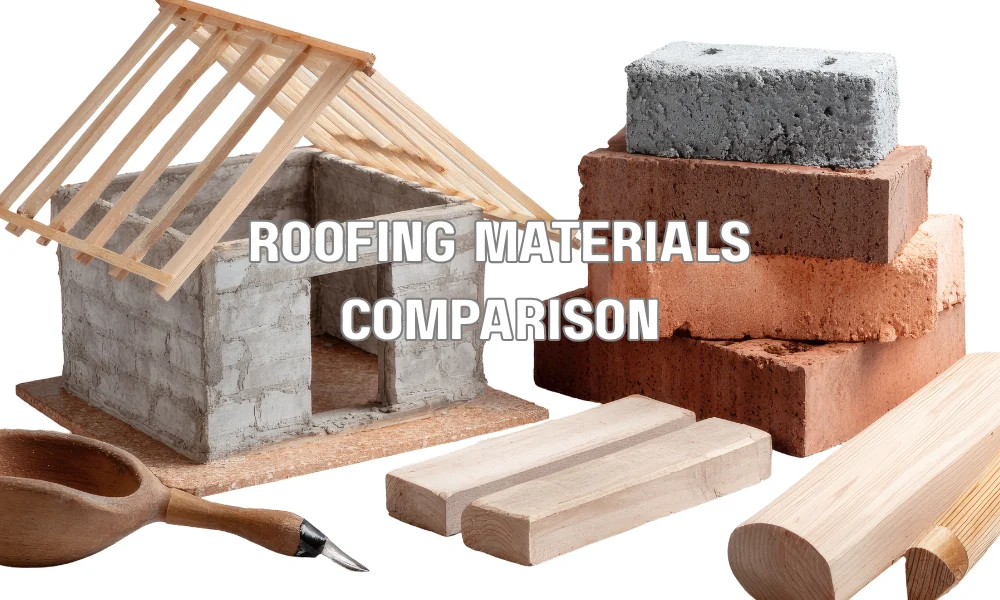
Comparative Analysis of Common Roofing Materials and Their Fire Ratings in Florida
| Material Type | Common Fire Rating | Durability (Years) | Pros for Florida | Cons for Florida |
|---|---|---|---|---|
| Fiberglass Asphalt Shingles | Class A | 15-30 | Cost-effective, wide color/style range, good wind resistance. | Shorter lifespan than tiles/metal, can degrade in intense sun. |
| Metal Roofing (Steel/Aluminum) | Class A | 40-70+ | Excellent durability, hurricane resistance, energy efficiency, lightweight. | Higher initial cost, noise during heavy rain/hail, potential for dents. |
| Concrete Tiles | Class A | 50-75+ | Very durable, excellent fire/wind resistance, variety of styles. | Heavy (requires stronger structure), higher initial cost, prone to mildew if not maintained. |
| Clay Tiles | Class A | 50-100+ | Extremely durable, classic aesthetic, excellent fire/wind resistance. | Very heavy, highest initial cost, fragile to foot traffic, limited color range. |
| Modified Bitumen | Class A or B | 10-20 | Good for low-slope roofs, durable, flexible, impact resistant. | Not typically for residential pitched roofs, shorter lifespan than others. |
Installation, Inspections, and Long-term Compliance
Proper installation, diligent inspections, and ongoing maintenance are as crucial as material selection for ensuring a roofing system maintains its fire rating and complies with Florida Building Code requirements over its entire lifespan. Even the highest-rated materials can fail prematurely if not installed correctly, compromising their fire-resistant properties and potentially leading to code violations.
What are the Key Steps for Ensuring Fire-Rated Roof Installation Compliance?
Ensuring fire-rated roof installation compliance involves several key steps, starting with selecting materials certified for the required fire class and verifying contractor licenses and experience with such installations. The process includes meticulous adherence to manufacturer specifications and FBC guidelines for underlayment, fasteners, and flashing, as these components contribute to the overall system’s fire performance. Furthermore, all work must be performed under appropriate permits, followed by mandatory municipal inspections at critical stages to confirm proper installation and adherence to fire safety codes before final approval.
How Do Building Inspections Verify Fire Rating Compliance Post-Installation?
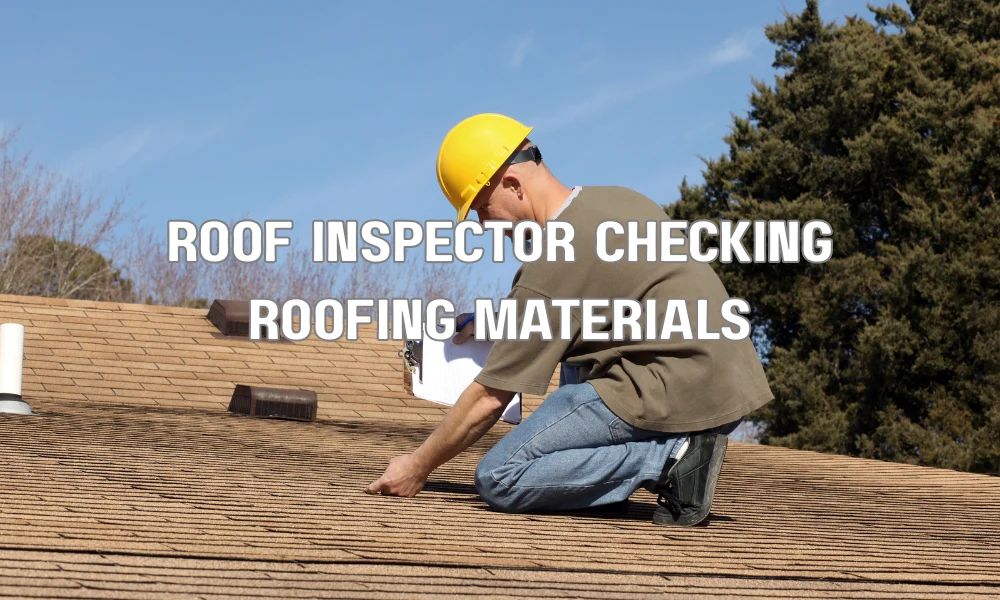
Building inspections verify fire rating compliance post-installation by reviewing permits, approved plans, and product documentation, and by physically examining the installed roofing system for adherence to specified materials and installation techniques. Inspectors will check for the correct application of fire-rated underlayments, proper fastening schedules, and verification of the installed roofing material’s fire classification. They often look for labels or stamps on materials confirming their rating. Any deviation from the approved plans or code requirements will result in a failed inspection, requiring corrective action to ensure the roof meets the mandated fire safety standards before final occupancy.
What Ongoing Maintenance is Required to Preserve a Roof’s Fire Rating?
Ongoing maintenance required to preserve a roof’s fire rating includes regular cleaning to remove debris like leaves, pine needles, and branches, which can accumulate and become fuel for fires. It also involves periodic inspections to identify and address any damage, wear, or deterioration of the roofing materials, underlayment, and flashing promptly. Repairs should use materials with equivalent or superior fire ratings to the original. Keeping gutters clear and preventing moss or algae growth can also indirectly contribute to fire safety by ensuring proper drainage and preventing moisture-related degradation that could compromise the roof’s integrity. Proactive maintenance extends the roof’s lifespan and ensures its continued compliance with fire safety standards.
Critical Fact 3: Failing to comply with Florida’s fire rating requirements for roofing can result in significant fines, project delays, increased insurance costs, and even necessitate costly re-roofing to meet code.
Frequently Asked Questions
What is the minimum fire rating required for residential roofs in Florida?
The minimum fire rating for residential roofs in Florida is typically Class C, as per the Florida Building Code. However, Class A is increasingly common and often recommended or mandated by local jurisdictions, especially in wildfire-prone or densely populated areas, to offer superior protection.
Can I install wood shakes or shingles in Florida?
While some treated wood shakes/shingles can achieve a fire rating, their use is highly restricted in Florida due to lower fire resistance compared to other materials, maintenance issues, and hurricane concerns. Most jurisdictions prefer or mandate Class A rated materials like asphalt, metal, or tile.
Does my homeowners’ insurance care about my roof’s fire rating?
Yes, homeowners’ insurance providers often care significantly about your roof’s fire rating. A higher fire rating, particularly Class A, can potentially lead to lower premiums, as it reduces the risk of fire damage to your home, which is a key factor in actuarial assessments.
How often should I have my roof inspected for fire rating compliance?
It is recommended to have your roof inspected annually by a qualified professional to assess its overall condition, including any potential degradation that might compromise its fire rating. Regular inspections help identify issues before they become major problems.
What if my existing roof doesn’t meet current fire rating standards?
If your existing roof doesn’t meet current fire rating standards, you may not be required to upgrade it until a significant repair or replacement project occurs. However, non-compliance could affect insurance, resale value, and put your property at higher risk.
Are there financial incentives for installing higher fire-rated roofs?
Some insurance companies may offer discounts or incentives for installing Class A fire-rated roofing materials due to their enhanced safety. Additionally, certain local programs or grants might be available in WUI areas to promote fire-resistant construction.
What is the difference between a fire-rated roof and a fire-resistant roof?
While often used interchangeably, “fire-rated” refers to a specific classification (A, B, C) based on standardized testing, indicating a material’s performance against fire. “Fire-resistant” is a broader term meaning a material inherently resists fire but may not have a formal classification.
Where can I find specific fire rating requirements for my local Florida county?
Specific fire rating requirements for your local Florida county can be found by consulting your county’s building department website, reviewing the local amendments to the Florida Building Code, or by contacting a licensed local roofing contractor or building official.
