
Can You Install a New Roof Over Old Shingles in South Florida? A Strategic Assessment by Shieldline Roofing
As a highly experienced, licensed roofing contractor serving Fort Lauderdale, Hollywood, and the wider South Florida region, one of the most common questions we at Shieldline Roofing encounter is: “Can I just install a new roof over my old one?” While the thought of saving time and money by simply laying new shingles over existing ones might be appealing, especially in our fast-paced environment, this decision carries significant long-term implications.
For homeowners and business owners navigating the unique challenges of our hurricane-prone, high-humidity climate, understanding the strategic advantages and profound disadvantages of a “layover” (or “re-roof”) versus a full tear-off is paramount.
Here in South Florida, where building codes are stringent and roof integrity is a matter of safety and property protection, a superficial fix can lead to disastrous consequences. This assessment from Shieldline Roofing aims to provide you with the authoritative, trust-building insights you need to make the best strategic decision for your property’s longevity and your peace of mind.
Key Takeaways for South Florida Property Owners:
- Installing a new roof over existing shingles is technically possible but carries significant long-term risks and limitations, especially given South Florida’s climate and stringent Florida Building Code (FBC) requirements.
- While initially cheaper, a layover often compromises structural integrity, conceals underlying damage, and can void critical manufacturer warranties – a costly gamble in a High-Velocity Hurricane Zone (HVHZ).
- A full tear-off and replacement, though a larger upfront investment, offers superior durability, addresses root issues, enhances energy efficiency, and provides greater peace of mind and long-term value, crucial for hurricane resilience.
- Local building codes (FBC), structural capacity to withstand hurricane-force winds, and the existing roof’s condition are critical determinants in making this strategic decision for your Fort Lauderdale or Hollywood property.
The “Layover” Roofing Approach: Short-Term Gains, Long-Term Risks for South Florida Properties
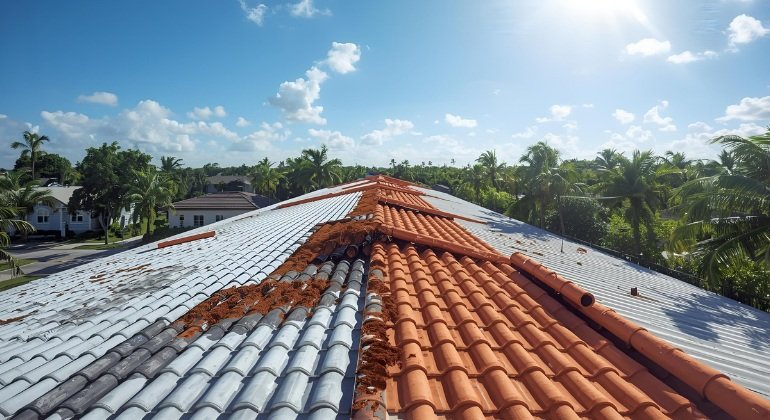
This section dissects the practice of installing new shingles directly over existing ones, analyzing its superficial benefits against its profound disadvantages, particularly when considering the unforgiving South Florida environment.
Perceived Advantages: Speed and Initial Cost Savings
For many property owners, the immediate appeal of a layover stems from perceived savings. While these initial figures might look attractive on paper, they often fail to account for the true cost over the roof’s lifespan.
- Reduced Labor Costs: Eliminating the tear-off process saves on labor hours, a tangible upfront reduction.
- Faster Project Completion: The roofing process can be expedited, potentially minimizing disruption to your home or business operations.
- Lower Disposal Fees: Less debris means lower costs for waste removal, another direct saving.
Initial project costs for a layover can be 15-25% lower than a full tear-off, primarily due to reduced labor and disposal expenses. However, as a seasoned Fort Lauderdale roofing expert, I can tell you these “savings” rarely translate into long-term value, especially in our demanding climate.
Critical Disadvantages: Hidden Dangers and Compromised Performance
The true cost of a layover becomes apparent when considering the hidden dangers it introduces, which are only amplified by South Florida’s unique environmental factors. Shieldline Roofing prioritizes safety and longevity, making these points non-negotiable.
- Excessive Weight on Structure: Doubling the shingle layers significantly increases the load on the roof framing, potentially exceeding its design capacity and leading to structural stress or sagging. This is a critical concern, especially on older homes not originally engineered for such additional weight, and a serious issue in HVHZ where structural integrity is paramount. A single layer of asphalt shingles typically weighs 2-2.5 pounds per square foot. Adding a second layer can increase the total weight to 4-5 pounds per square foot, placing undue stress on older or inadequately supported roof structures.
- Concealed Problems: Existing leaks, rot, decking damage, or poor ventilation remain unaddressed beneath the new layer, potentially accelerating degradation of the entire roof system. Water intrusion, a common issue in our rainy season, can spread unseen, leading to extensive mold and structural damage.
- Reduced Lifespan and Performance: Irregularities from the old shingles can create an uneven surface, causing the new shingles to buckle, crack, or delaminate prematurely. Heat trapped between layers, exacerbated by South Florida’s intense sun, can also accelerate shingle degradation, significantly shortening the new roof’s effective life.
- Voided Warranties: Many shingle manufacturers will void their product warranties if their materials are installed over an existing layer, as it compromises performance and lifespan. This means your investment is unprotected if an issue arises.
- Difficulty in Future Repairs: Diagnosing and repairing leaks becomes more complex with multiple layers, as water can travel between them, making pinpointing the source a challenge and increasing repair costs.
- Aesthetics: The uneven substrate can lead to a less uniform and aesthetically pleasing finish, detracting from your property’s curb appeal.
- Limited to Two Layers: Most building codes, including the Florida Building Code, if permitting re-roofing at all, restrict it to a maximum of two layers of shingles. Attempting to add a third is a direct code violation and a significant safety risk.
The South Florida Climate Factor: Heat, Humidity, and Structural Strain
Our local climate presents specific challenges that make layovers even riskier. Intense sun, torrential rains, and hurricane-force winds demand the highest standards of roofing. A layover inherently undermines these standards.
- Thermal Expansion/Contraction: The increased mass of two layers can exacerbate thermal stress on the roof in regions with significant temperature fluctuations, leading to premature cracking and material fatigue.
- Wind Uplift: An uneven surface from a layover, combined with potential hidden decking issues, can make the new shingles significantly more susceptible to wind uplift during a hurricane or tropical storm, leading to widespread damage and catastrophic failure. The FBC sets strict standards for wind resistance, which are compromised by an improper base.
- Humidity and Algae: Trapped moisture between layers in our high-humidity environment creates ideal conditions for mold and algae growth, which can further degrade materials and contribute to premature roof failure.
Strategic Considerations Before Deciding in Fort Lauderdale & Hollywood
A thorough assessment from a long-term perspective is crucial for any roofing project in South Florida. Before making a decision, Shieldline Roofing encourages you to consider these factors, always in consultation with a licensed professional.
Condition of the Existing Roof and Decking: Beyond the Surface
A true assessment requires looking beyond the visible shingles. This is where the expertise of Shieldline Roofing comes into play.
- Number of Existing Layers: It’s crucial to determine if the roof already has a previous layover. Many properties in South Florida, especially older ones, might already have two layers. A third is never an option under FBC.
- Structural Integrity: Assess the condition of the roof decking, rafters, and trusses for signs of rot, sagging, or damage. Hidden water damage from previous leaks is a common issue that a layover would simply conceal, allowing it to worsen.
- Underlying Issues: Inspect for water damage, mold, or ventilation problems in the attic that a layover would merely cover up, accelerating decay and potentially leading to unhealthy indoor air quality.
Navigating South Florida Building Codes and Regulations
Compliance with the Florida Building Code (FBC) is not optional; it’s mandatory for safety and legality. Shieldline Roofing stays abreast of all updates, including the FBC 7th Edition (2020) and FBC 8th Edition (2023).
- Compliance: Verify local ordinances regarding the maximum number of shingle layers permitted. Many jurisdictions in South Florida now prohibit layovers or require strict structural evaluations, especially for properties in HVHZ.
- Permitting: Understand the specific requirements for obtaining a roofing permit in your area (Fort Lauderdale, Hollywood, etc.). An improperly permitted layover can lead to fines, enforcement actions, and issues with insurance claims.
While once common, a growing number of municipal building codes in South Florida now prohibit or severely restrict the installation of new shingles over existing layers, often limiting it to one existing layer or requiring a full tear-off if underlying damage is suspected. This trend reflects a commitment to enhancing hurricane resilience.
Structural Load Bearing Capacity: A Critical Engineering Assessment
The additional weight of a second roof layer can compromise your home’s ability to withstand our unique weather patterns.
- Consult a structural engineer if there are any doubts about the roof’s ability to support the additional weight of a second shingle layer, especially on older homes or commercial properties. This is a non-negotiable step to ensure compliance with FBC wind-load requirements.
- Shieldline Roofing can help facilitate these assessments to ensure your property meets all safety and structural standards.
Climate and Environmental Factors
South Florida’s weather is relentless, and your roofing decisions must account for it.
- Thermal Expansion/Contraction: The increased mass of two layers can exacerbate thermal stress on the roof in regions with significant temperature fluctuations, leading to premature cracking and material fatigue.
- Wind Uplift: An uneven surface from a layover can make the new shingles more susceptible to wind damage, a critical factor during our hurricane season.
When a Full Tear-Off is the Strategic Imperative for South Florida Resilience
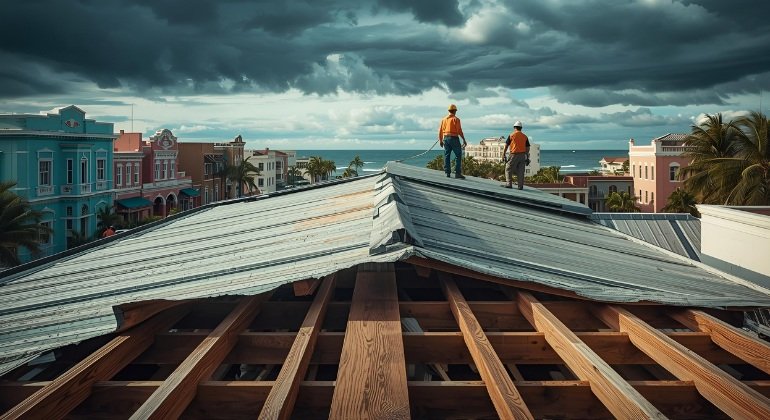
From a geo-strategic perspective for your Fort Lauderdale or Hollywood property, investing in a complete overhaul often yields superior long-term resilience, value, and safety. Shieldline Roofing always recommends a full tear-off as the gold standard for lasting performance in our challenging climate.
Addressing the Root Issues: Foundation for a Resilient Roof System
A full tear-off isn’t just about removing old shingles; it’s about building a new, robust foundation.
- A tear-off allows for thorough inspection and repair of the roof decking, underlayment, and flashing, ensuring a sound foundation for the new roof. Any dry rot, water damage, or structural weaknesses can be addressed definitively.
- This is the ideal opportunity to upgrade to modern, high-performance ventilation systems, crucial for mitigating heat and humidity in South Florida attics and extending roof life.
- Crucially, a tear-off allows for the proper installation of a Secondary Water Barrier (SWB) directly to the deck, a critical component of hurricane mitigation and often a requirement for insurance discounts.
Enhanced Durability, Lifespan, and Hurricane Preparedness
A new roof, properly installed on a clean deck, is your best defense against the elements.
- A properly installed new roof on a clean, solid deck with a new underlayment system will perform optimally and achieve its full intended lifespan, maximizing your investment.
- A new roof installed on a clean deck with proper underlayment can last 20-30 years, whereas a layover may see its effective lifespan reduced by 10-20% due to underlying issues and compromised installation. This longevity is essential in areas susceptible to frequent severe weather.
- Achieving the highest wind-load ratings for shingles and installation techniques is only possible with a full tear-off, ensuring your roof is hurricane-ready.
Maximum Warranty Protection & Property Value in Fort Lauderdale
Protecting your investment includes ensuring full warranty coverage and enhancing your property’s market appeal.
- A tear-off ensures compliance with manufacturer installation guidelines, safeguarding your product and workmanship warranties. This peace of mind is invaluable.
- A brand-new, properly installed roof is a significant selling point and adds substantial value to a property, often providing a strong return on investment, especially in the competitive South Florida real estate market.
Cost Analysis: Layover vs. Tear-Off (A Long-Term South Florida Perspective)
While the initial outlay differs, a strategic cost-benefit analysis from Shieldline Roofing must consider the entire lifecycle of the roof, particularly in an environment where roofs face constant challenges.
Initial Outlay: The Misleading Savings
- Layover: Lower upfront costs due to less labor and disposal. This is the primary, often deceptive, draw.
- Tear-Off: Higher initial investment for labor, material disposal, and potential decking repairs. This investment, however, lays the groundwork for decades of performance.
Lifecycle Costs: The True Economic Impact for Your Investment
- Layover: Potential for premature failure, more frequent and complex repairs, reduced energy efficiency due to heat trapping, and the inevitable cost of a full tear-off sooner than anticipated. The initial savings are often nullified by these recurring or accelerated future expenses, making it a more expensive option in the long run.
- Tear-Off: While more expensive initially, it minimizes future repair costs, maximizes the roof’s lifespan, enhances energy savings through proper ventilation and underlayment (critical in our climate), and avoids the cost of removing multiple layers later on, resulting in a lower total cost of ownership over 20-30 years.
Avoiding Future Headaches and Code Violations
Opting for a full tear-off ensures your roof adheres to the latest Florida Building Codes, preventing costly fines and ensuring insurable integrity. Shieldline Roofing guarantees FBC compliance on all our tear-off and replacement projects.
FAQs for South Florida Homeowners and Businesses
Q: Can a layover be done if only part of my roof is damaged in a hurricane zone?
A: Even with localized damage, especially in Fort Lauderdale or Hollywood, a layover is generally not recommended by Shieldline Roofing. Localized damage often indicates underlying issues that might spread or point to broader system failure. A full tear-off allows for comprehensive inspection and repair of the entire roof system, ensuring no hidden vulnerabilities remain to compromise your property during the next storm.
Q: Does installing a new roof over old shingles affect my home insurance in high-wind regions?
A: It absolutely might. Some insurers may view a layered roof as a higher risk due to potential structural issues, reduced durability, and non-compliance with the latest FBC wind-load standards. This could lead to higher premiums or even denied claims in the event of damage. Always check with your insurance provider in South Florida before any roofing work; a full tear-off with proper documentation often qualifies for valuable wind mitigation discounts.
Q: What if my roof already has two layers? Can I add a third in South Florida?
A: No. Most, if not all, building codes in Florida, including those specific to Fort Lauderdale and Hollywood, strictly prohibit more than two layers of shingles due to excessive weight load, safety concerns, and compromised performance. A full tear-off would be mandatory in this scenario, as anything else would be a serious code violation and a significant hazard.
Q: How can I tell if my roof has multiple layers?
A: You can often tell by looking at the edges of the roof (eaves, rake) or by observing the flashing around chimneys or skylights. Multiple shingle edges will be visible. However, for a definitive answer and a comprehensive assessment of your roof’s condition, a qualified roofing inspector from Shieldline Roofing can confirm definitively and provide a detailed report, identifying any hidden issues.
Q: Will a layover affect my home’s energy efficiency in our hot climate?
A: Potentially, yes. The old layer can trap heat, especially under South Florida’s intense sun, increasing attic temperatures and requiring more energy for cooling your home or business. A new roof, installed on a clean deck with proper ventilation and modern, high-performance underlayment (like radiant barriers), offers superior thermal performance and can significantly reduce your energy costs, a crucial benefit in our climate.
