
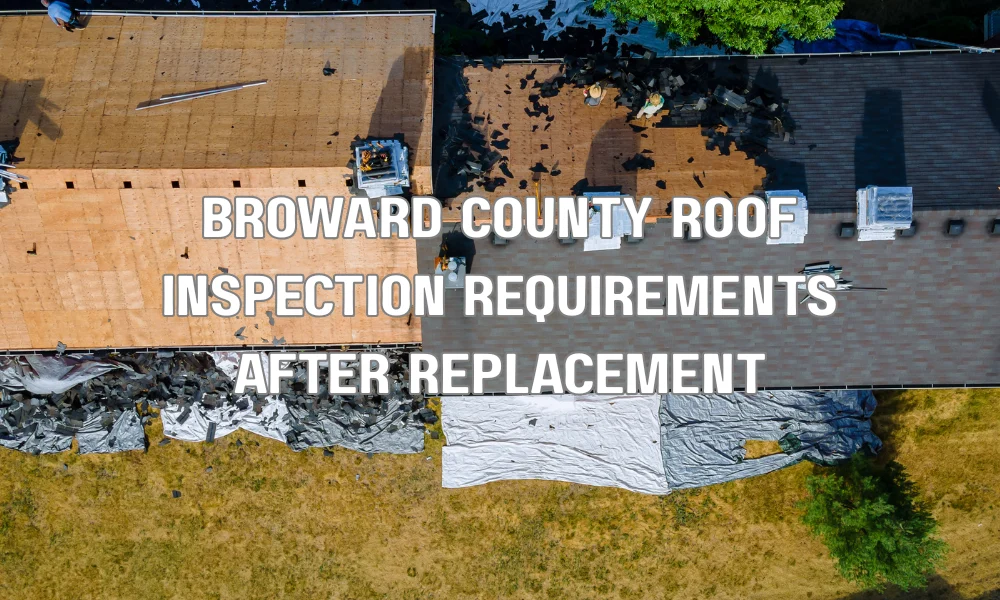
Executive Summary
- Strict adherence to Broward County building codes is paramount for all roof replacements, ensuring structural integrity and long-term homeowner safety.
- Obtaining the correct permits before starting any roofing work is non-negotiable and directly governs the subsequent mandatory inspection schedule.
- Multiple inspections, including “dry-in” and final assessments, are required throughout the roof replacement process to verify compliance with local standards.
- Understanding common reasons for inspection failures helps contractors and homeowners proactively address potential issues, streamlining project completion.
- A successful final inspection is essential for project closeout, warranty validation, and ensuring your property meets all current safety regulations.
- Consider a voluntary wind mitigation inspection post-replacement to potentially significantly reduce your homeowner’s insurance premiums in Florida.
- Accurate documentation and clear communication with your roofing contractor and local building department are vital for a smooth process.
Understanding the Broward County Building Code for Roofing
What are the foundational requirements for roof replacement in Broward County?
The foundational requirements for roof replacement in Broward County primarily stem from the Florida Building Code (FBC), specifically Chapter 15, and local Broward County amendments. These codes mandate that all new roofing installations, including re-roofs, must comply with strict standards for materials, fastening, and wind resistance, reflecting the region’s susceptibility to hurricanes. This ensures that every roof is built to withstand specified wind loads, protecting property and occupants from severe weather events.
Critical Fact 1: All roof replacements in Broward County are subject to the Florida Building Code, 7th Edition (2020) with local amendments, prioritizing enhanced wind resistance and material durability.
Why is adherence to local codes crucial for your roof replacement?
Adherence to local codes is crucial not only for legal compliance but also for the safety, longevity, and insurability of your roof. Non-compliance can lead to failed inspections, costly rework, invalidated warranties, and difficulties with insurance claims or property sales down the line. Moreover, these codes are designed to ensure public safety, providing a minimum standard for construction that reduces the risk of structural failure during adverse weather.
The Permitting Process: Your First Step
What specific permits are required before starting a roof replacement project?
Before any roof replacement work commences in Broward County, a roofing permit must be obtained from the local building department having jurisdiction over the property (e.g., City of Fort Lauderdale, Broward County Unincorporated Area). This permit application typically requires detailed plans, material specifications, and contractor licensing information. The permit serves as official authorization, ensuring the project aligns with all applicable building codes and regulations from the outset.
How does the permit application process impact subsequent inspections?
The permit application process directly impacts subsequent inspections by establishing the official record of your project and triggering the mandatory inspection schedule. Once a permit is issued, the building department is notified, and they will expect to perform specific inspections at critical stages of the project. Without a valid permit, any work performed is considered illegal, and no inspections will be conducted, potentially leading to fines, stop-work orders, and requirements to expose or even remove completed work for inspection.
Key Inspection Stages During and After Roof Replacement
What are the mandatory inspection points during roof replacement in Broward County?
Broward County mandates several inspection points during the roof replacement process to ensure compliance at each critical stage. Generally, these include a “dry-in” inspection after the underlayment is installed and prior to the final roofing material, and a final inspection once all roofing work is complete. Additional inspections might be required depending on the scope of work or specific material systems, such as for structural decking repairs or specialized roofing systems.
What happens during a “dry-in” inspection?
During a “dry-in” inspection, the building inspector verifies that the roof decking is sound, any necessary wood repairs have been completed, and the underlayment has been installed correctly according to manufacturer specifications and local code requirements. This stage is crucial because the underlayment provides the primary waterproof barrier for the home. The inspector will check for proper overlap, fastening, and sealing, ensuring the home is adequately protected from water intrusion before the final roofing material is applied.
Critical Fact 2: The “dry-in” inspection is a pivotal stage, ensuring the crucial underlayment is correctly installed to provide the primary waterproof barrier before final roofing materials are applied.
What is covered in the final roof inspection, and why is it critical?
The final roof inspection covers the complete installation of the primary roofing material, including shingles, tiles, or metal panels, ensuring all components are properly fastened, sealed, and finished. Inspectors will verify that flashing around penetrations (vents, chimneys) is correctly installed, drip edge is in place, and the overall system meets all aesthetic and structural requirements of the permit and code. This inspection is critical because a successful pass signifies the project’s completion, validates warranties, ensures safety, and closes out the permit, officially documenting compliance with all regulations.
Here’s a comparative look at common roof inspection stages and their focus:
| Inspection Stage | Primary Focus | Key Verification Points | Timing |
|---|---|---|---|
| Pre-Construction / Decking | Deck integrity & repairs | Condition of existing decking, proper repair of damaged sections, fastening to trusses. | Before underlayment installation |
| Dry-In / Underlayment | Waterproofing barrier | Correct underlayment type, proper fastening, sufficient overlap, sealing at penetrations. | After underlayment, before final roofing material |
| Mid-Roof (if applicable) | Specific material layers | Intermediate membrane, insulation (for certain roof types), proper adhesion. | During multi-layer system installation |
| Final Inspection | Complete roof system | Final roofing material installation, flashing, drip edge, vent installation, overall code compliance. | After all roofing work is complete |
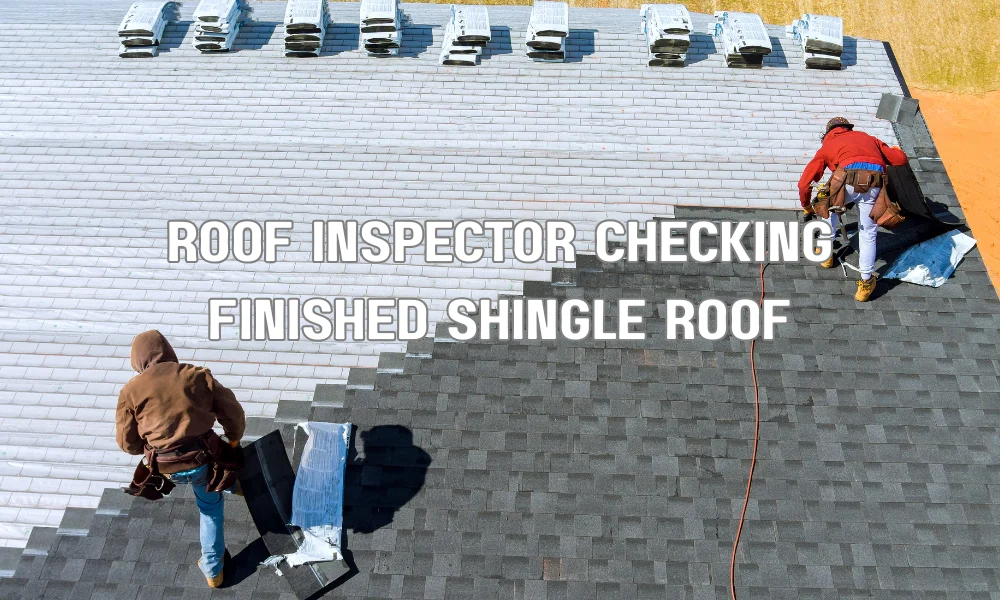
Navigating Common Inspection Challenges and Ensuring Compliance
What are frequent reasons for failed roof inspections?
Frequent reasons for failed roof inspections often include improper fastening of roofing materials or underlayment, incorrect flashing around chimneys or vents, inadequate attic ventilation, and failure to meet specific wind resistance requirements. Other issues can involve using unapproved materials, lacking proper documentation on site, or performing work outside the scope of the issued permit. These deficiencies typically require immediate correction and a re-inspection to ensure full compliance.
How can homeowners and contractors ensure a smooth inspection process?
Homeowners and contractors can ensure a smooth inspection process by thoroughly understanding Broward County’s specific building codes and permit requirements before work begins. Hiring a reputable, licensed, and insured roofing contractor familiar with local regulations is paramount. Contractors should maintain a clean worksite, ensure all materials match permit specifications, and be present or have a knowledgeable representative available during scheduled inspections to answer any questions. Clear communication and diligent preparation are key to passing inspections on the first attempt.
Beyond Compliance: The Value of a Wind Mitigation Inspection
What is a wind mitigation inspection, and is it mandatory after roof replacement?
A wind mitigation inspection is a specialized assessment of your home’s ability to resist damage from high winds, focusing on specific construction features that offer protection during hurricanes. It evaluates elements like roof shape, roof deck attachment, roof-to-wall attachment, secondary water resistance, and opening protection (windows/doors). While not mandatory for permit closeout after a roof replacement in Broward County, it is highly recommended as a separate, voluntary inspection.
How does a wind mitigation report benefit Broward County homeowners?
A wind mitigation report significantly benefits Broward County homeowners by often leading to substantial discounts on their homeowner’s insurance premiums. Insurance companies in Florida are required by law to offer credits for homes with features that reduce the risk of wind damage. A new roof, especially one installed to current FBC standards with robust attachments and secondary water resistance, typically qualifies for several of these valuable credits, providing long-term savings on insurance costs.
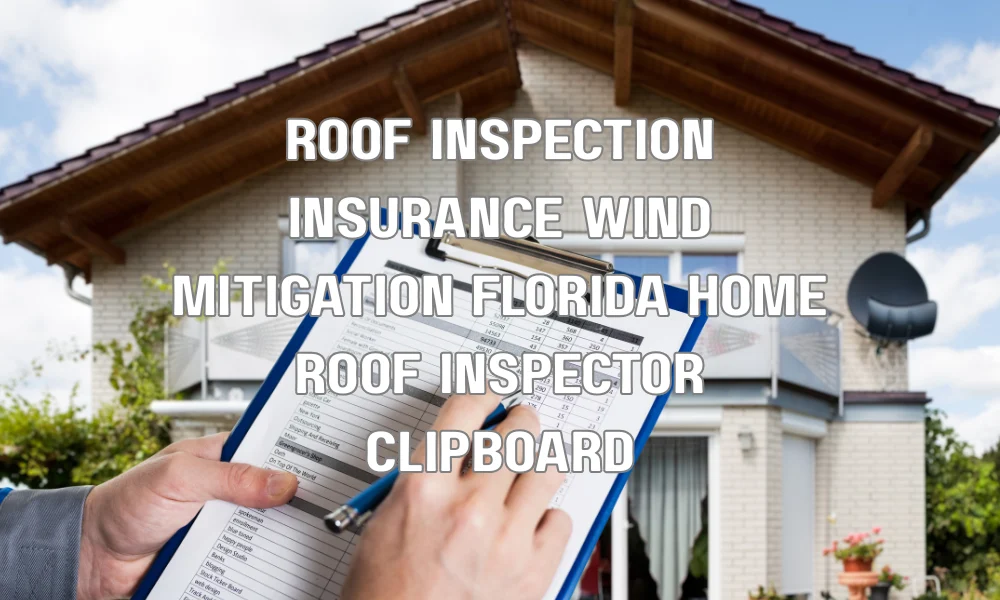
Critical Fact 3: While not mandatory for permit closeout, obtaining a wind mitigation inspection after roof replacement can yield significant, ongoing homeowner’s insurance premium discounts in Broward County due to Florida’s statutory requirements.
Frequently Asked Questions
How long does it take to get a roofing permit in Broward County?
The time to obtain a roofing permit varies by municipality within Broward County but typically ranges from a few days to a couple of weeks, assuming all documentation is complete and accurate. Electronic submission processes often help expedite this timeline.
Can I perform my own roof replacement in Broward County?
While homeowners can sometimes obtain permits for work on their primary residence, roofing is a complex trade with strict licensing requirements. Most Broward County municipalities require a licensed roofing contractor for roof replacement permits.
What happens if my roof fails an inspection?
If your roof fails an inspection, the inspector will issue a notice detailing the deficiencies. The contractor must correct these issues and then schedule a re-inspection. Work cannot proceed until the failed stage passes inspection.
Is a homeowner responsible for scheduling inspections?
Typically, the licensed roofing contractor is responsible for scheduling all required inspections with the appropriate building department, as they manage the project timeline and ensure readiness for each stage.
How long is a roofing permit valid in Broward County?
A roofing permit’s validity period can vary, but generally, permits are valid for a specified duration, usually six months, and may require activity (like passing an inspection) within that timeframe to remain active. Extensions can often be requested.
Do I need an inspection if I’m only repairing a small section of my roof?
Minor roof repairs (less than 25% of the total roof area or without structural changes) may not require a permit or inspection, but it’s always best to check with your specific local building department in Broward County.
What documentation do I need to keep after a successful final inspection?
After a successful final inspection, you should receive a “Certificate of Completion” or “Final Approval.” Keep this document, along with your permit, contract, warranty information, and any wind mitigation reports, for your records.
Can a new roof increase my property value in Broward County?
Yes, a new roof, especially one installed to current building codes, significantly enhances a property’s curb appeal, structural integrity, and market value. It also signals to potential buyers that a major component is recently updated and reliable.
