
Executive Summary
- Selecting the optimal roof color for a Florida home critically balances energy efficiency, long-term durability, and aesthetic appeal in a demanding climate.
- Light-colored roofs, especially those with high Solar Reflectance Index (SRI), significantly reduce attic temperatures, leading to substantial air conditioning energy savings.
- Cool roof technologies, incorporating reflective pigments into various materials like asphalt shingles and metal, are essential for mitigating heat absorption in Florida’s intense sun.
- Homeowners must consider their home’s architectural style and surrounding landscape when choosing a roof color to ensure harmonious curb appeal and property value.
- Understanding HOA guidelines and local building codes is paramount, as specific color palettes or material types may be mandated in many Florida communities.
- Certain materials, such as metal and concrete tile, offer superior durability and color retention in Florida’s harsh UV environment compared to traditional darker shingles.
- Prioritizing roofs with high thermal emissivity further enhances energy efficiency by effectively radiating absorbed heat back into the atmosphere.
Understanding Florida’s Climate Challenges
Why is roof color so critical in Florida?
Roof color is exceptionally critical in Florida due to the state’s intense solar radiation, high ambient temperatures, and persistent humidity. A roof’s color directly influences how much solar energy it absorbs or reflects, profoundly impacting a home’s internal temperature and, consequently, its energy consumption for cooling. Darker roofs absorb more sunlight, leading to higher attic temperatures and increased strain on air conditioning systems, while lighter roofs reflect more, keeping homes cooler.
Critical Fact 1: On a sunny Florida day, a dark-colored roof can reach temperatures exceeding 150°F, while a light-colored, reflective roof of the same material might only reach 100-120°F, showcasing a significant thermal difference.
The Science of Cool Roofs: Energy Efficiency First
How do roof colors impact home energy consumption?
Roof colors significantly impact home energy consumption primarily through their Solar Reflectance (SR) and Thermal Emissivity (TE) properties, which together form the Solar Reflectance Index (SRI). SR measures how much solar radiation a surface reflects, while TE indicates how effectively a surface radiates absorbed heat. Lighter colors and specially formulated “cool colors” reflect more sunlight and emit more absorbed heat, reducing the amount of heat transferred into the attic and living spaces, thus lowering air conditioning demand.
Which colors and materials are most energy-efficient for Florida?
The most energy-efficient colors for Florida homes are generally lighter shades such as white, light gray, beige, and pastels because they possess higher solar reflectance. Beyond color, the material itself plays a crucial role; metal roofs with specialized coatings, concrete and clay tiles, and “cool” asphalt shingles engineered with reflective granules are highly efficient. These materials and colors help minimize heat gain, directly translating into lower utility bills for homeowners in Florida’s hot climate.
Aesthetic Considerations and Curb Appeal
How can roof color enhance my home’s curb appeal?
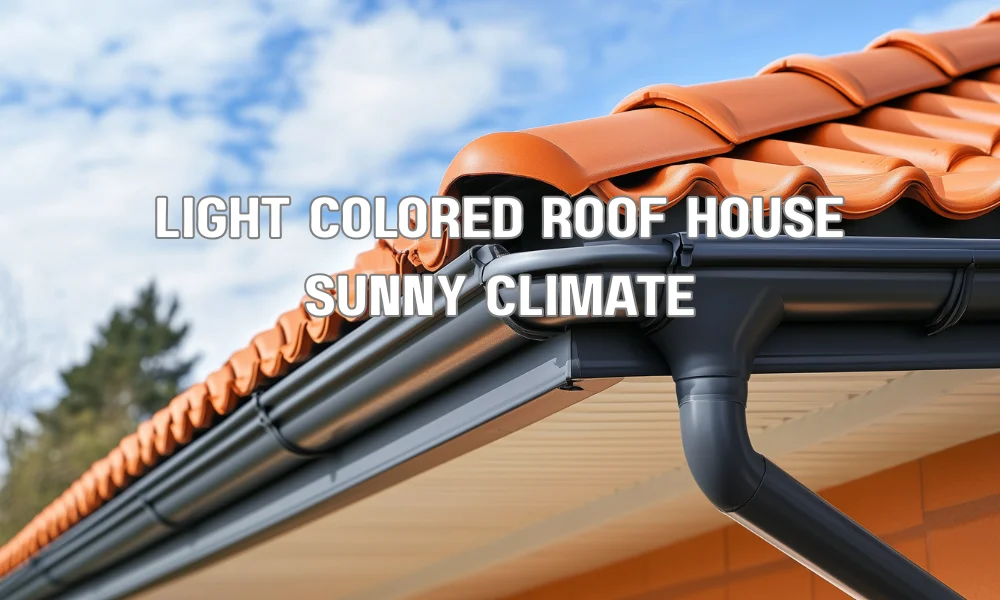
Roof color can dramatically enhance a home’s curb appeal by complementing its architectural style, exterior paint, and surrounding landscaping, creating a cohesive and inviting look. A well-chosen roof color integrates seamlessly with the home’s existing palette, accentuating its best features and contributing significantly to the property’s overall perceived value. Conversely, an ill-suited roof color can clash, making the home appear disjointed or dated.
Are there common color palettes that work well with Florida architecture?
Yes, several common color palettes work exceptionally well with Florida architecture, often drawing inspiration from the region’s natural environment and prevalent architectural styles. For Mediterranean and Spanish-Revival homes, terra cotta, burnt sienna, and natural clay hues are timeless. Coastal homes often benefit from cool grays, blues, and whites, evoking a serene, beachy feel. Modern and contemporary Florida homes typically embrace sleek grays, whites, and even subtle metallic tones to achieve a sophisticated, minimalist aesthetic.
Critical Fact 2: Florida’s architectural styles, ranging from Mediterranean Revival to Mid-Century Modern and contemporary coastal, each have preferred roof color schemes that enhance their authenticity and curb appeal.
Material-Specific Color Choices
What are the best color considerations for asphalt shingles in Florida?
For asphalt shingles in Florida, the best color considerations involve selecting lighter shades or shingles explicitly designed with “cool roof” technology, which incorporates highly reflective granules. Traditional dark asphalt shingles absorb significant heat, but modern cool shingles in grays, tans, and even some darker greens or blues are engineered to reflect more solar energy, making them a more energy-efficient choice for the Florida climate without sacrificing aesthetic flexibility.
How do metal roof colors perform in Florida’s climate?
Metal roof colors perform exceptionally well in Florida’s climate due to their inherent durability, longevity, and wide range of reflective finishes. Light-colored metal roofs, especially those with Kynar 500® or similar advanced coatings, offer superior solar reflectance and thermal emissivity, making them highly energy-efficient. Even darker metal roof colors can be manufactured with reflective pigments, allowing for aesthetic versatility while still providing energy-saving benefits and robust resistance to high winds and UV degradation.
What color options are available for tile roofs and their Florida relevance?
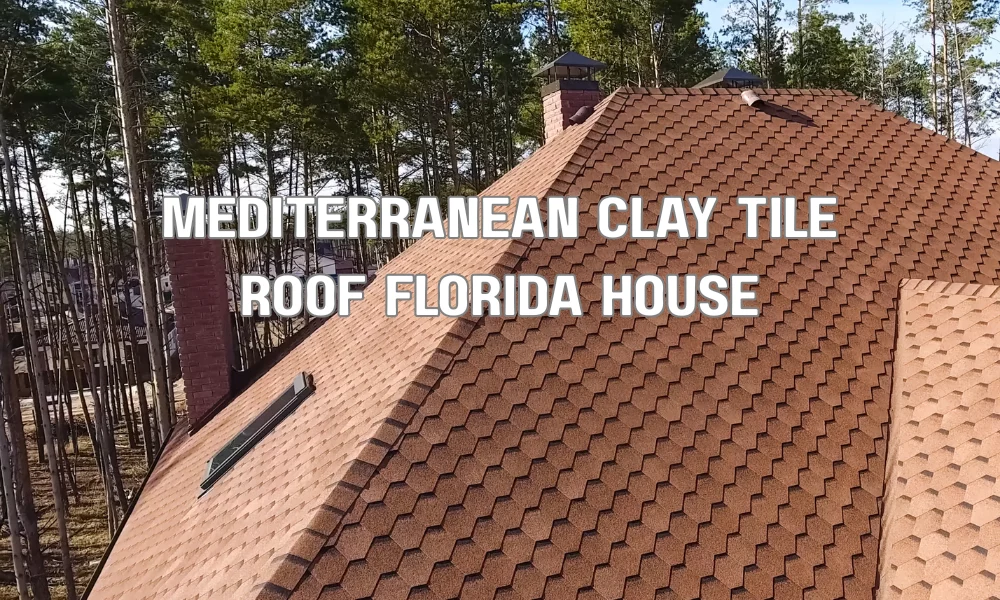
Tile roofs, primarily concrete and clay, offer a vast array of color options highly relevant to Florida’s aesthetic and climate. Traditional terra cotta and natural red hues are iconic for Mediterranean and Spanish-style homes, while concrete tiles can be manufactured in virtually any color, including cool grays, greens, blues, and whites. These materials naturally possess good thermal mass, and lighter tile colors further enhance their ability to reflect sunlight and keep homes cooler, making them a popular and effective choice in Florida.
Here’s a comparison of common roofing materials and their relevant properties for Florida homes:
| Roofing Material | Typical Solar Reflectance Index (SRI) for Light Colors | Expected Lifespan (Years) | Relative Cost (Installation) | Primary Aesthetic Benefit |
|---|---|---|---|---|
| “Cool” Asphalt Shingles | 25-35 | 20-30 | $$ | Versatility, classic appearance |
| Coated Metal Panels | 60-85 | 40-70 | $$$ | Modern, sleek, energy efficiency |
| Concrete Tiles | 30-50 | 30-50 | $$$ | Mediterranean, durability |
| Clay Tiles | 20-40 (natural colors) | 50-100+ | $$$$ | Authenticity, traditional beauty |
| TPO/PVC (Flat Roofs) | 70-90 | 20-30 | $$ | Exceptional reflectivity (primarily white) |
Navigating HOAs and Local Regulations
What role do HOAs and local codes play in roof color selection?
Homeowners Associations (HOAs) and local building codes play a significant, often restrictive, role in roof color selection, particularly in Florida. HOAs frequently enforce specific aesthetic guidelines to maintain community uniformity and property values, which can include approved color palettes, material types, and even reflectivity standards. Local building codes, especially in coastal or hurricane-prone areas, may mandate certain materials or installation methods for resilience, indirectly influencing available color choices that meet both performance and aesthetic criteria. Always consult both your HOA documents and local building department before making a final decision.
Long-Term Durability and Maintenance
Do certain roof colors fade more quickly in the Florida sun?
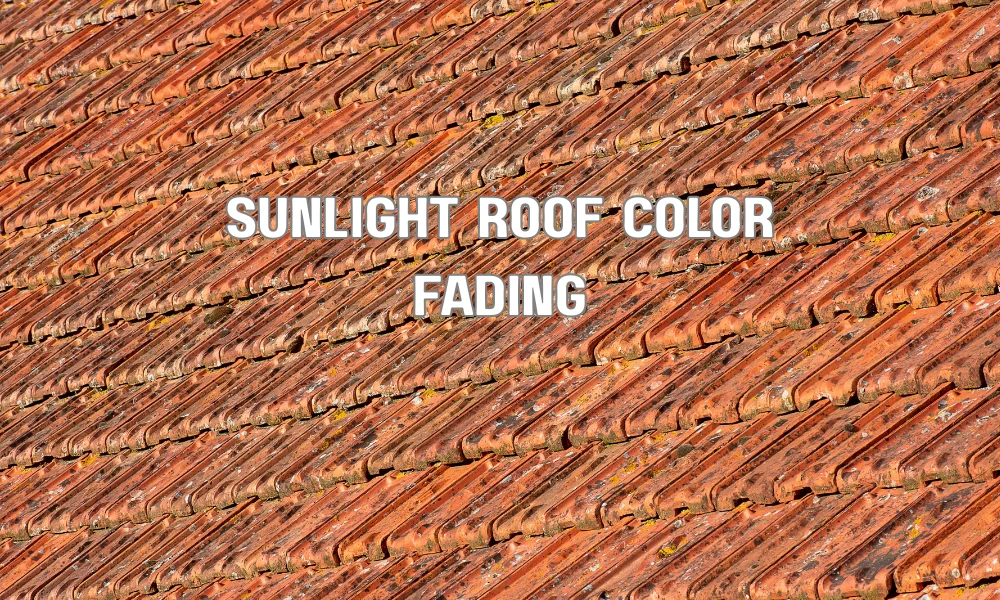
Yes, certain roof colors, particularly darker shades and those made with lower-quality pigments, tend to fade more quickly in the intense Florida sun due to prolonged exposure to ultraviolet (UV) radiation. While all colors will experience some degree of fading over time, lighter colors often show less noticeable degradation. High-quality roofing materials with UV-resistant coatings, such as advanced painted metal or pigmented concrete tiles, are designed to retain their color vibrancy longer, ensuring the roof maintains its aesthetic appeal and protective qualities for decades.
Critical Fact 3: The Solar Reflectance Index (SRI) is a key metric for cool roofs, with higher numbers indicating better heat reflection and greater energy savings, often a requirement or strong recommendation in Florida’s green building standards.
Frequently Asked Questions
What is the ideal SRI for a roof in Florida?
For optimal energy efficiency in Florida, a roof should aim for an SRI of 20 or higher for low-slope roofs and 16 or higher for steep-slope roofs. Higher SRI values indicate better solar reflection, leading to cooler attic temperatures and reduced cooling costs.
Can I use a dark roof color in Florida without high energy bills?
While dark colors generally absorb more heat, some “cool color” technologies incorporate reflective pigments even in darker shades. These can offer improved energy performance compared to traditional dark roofs, but lighter colors still typically provide superior energy efficiency in Florida’s climate.
Are there any incentives for choosing energy-efficient roof colors in Florida?
Some local utility companies or state programs occasionally offer rebates or incentives for installing energy-efficient roofing materials, including cool roofs. It’s always advisable to check with your specific utility provider and local government for current programs before installation.
Does roof color affect home insurance premiums in Florida?
Roof color itself typically does not directly impact insurance premiums. However, the material of the roof (e.g., metal, tile) and its wind resistance rating, often influenced by the material, can significantly affect insurance costs, especially in hurricane-prone Florida.
How do I know if my HOA allows a specific roof color?
You should review your Homeowners Association’s Covenants, Conditions, and Restrictions (CC&Rs) documents, specifically sections pertaining to exterior modifications. Most HOAs require submitting an architectural review application for roof replacement, specifying material and color, for approval before starting work.
Will a light-colored roof make my house look bigger or smaller?
Generally, lighter colors tend to make a house appear larger and more expansive, as they reflect light and blend more with the sky. Conversely, darker colors can make a house seem smaller or more grounded. Consider your home’s scale and desired aesthetic effect.
How often should I clean a light-colored roof in Florida?
Light-colored roofs, particularly those susceptible to algae and mildew growth in Florida’s humid climate, may require cleaning every 1-3 years to maintain their reflectivity and aesthetic appeal. Regular soft washing can prevent significant buildup and preserve performance.
Does a reflective roof increase glare for neighbors?
While highly reflective roofs effectively bounce sunlight, modern cool roof materials are designed to minimize direct, blinding glare. They typically reflect light diffusely rather than specularly (like a mirror), so significant glare issues for neighbors are uncommon but worth considering in very close-set communities.
