
Identifying and Repairing Roof Flashing Leaks
When you think about protecting your home from Florida’s intense rain and storms, you likely picture the shingles or tiles. However, one of the most critical elements of your roofing system—and often the source of leaks—is the roof flashing.
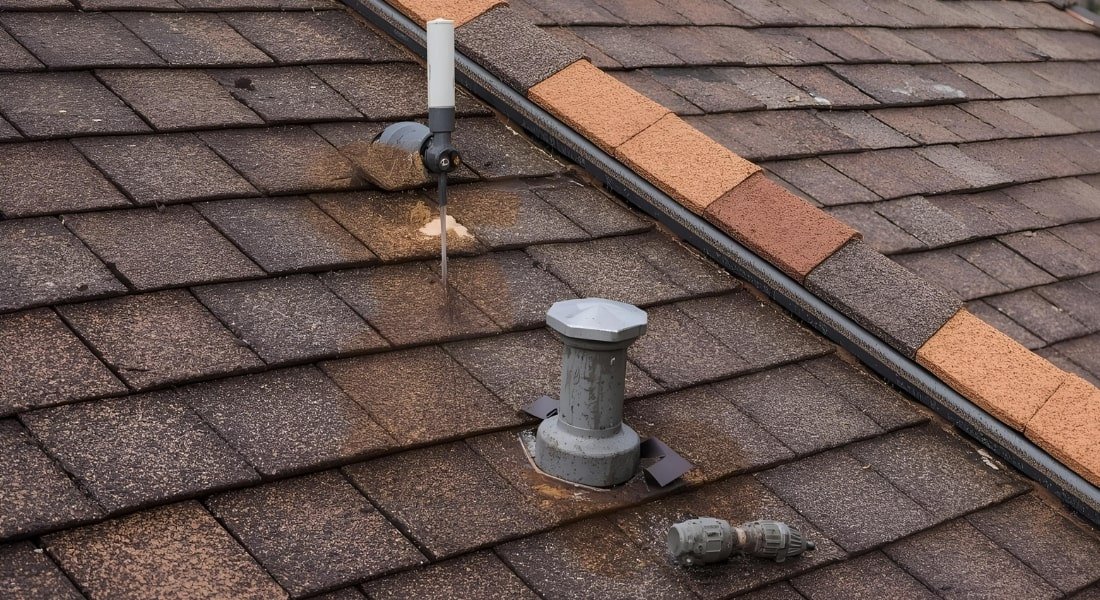
Flashing is the thin material, usually metal, installed to create a watertight seal at the most vulnerable areas of your roof. These small seams are where your roof surfaces meet walls, chimneys, or vent pipes. If the flashing fails, even a small leak can allow water to seep into your attic, ceiling, and walls, leading to significant structural damage, mold growth, and costly repairs down the road. Ignoring a compromised seal is never an option for a Florida homeowner.
If you’ve noticed water stains indoors, or if your roof is simply aging, you may be in need of prompt roof flashing repair. Understanding what flashing is and how to spot a problem is the first step toward safeguarding your home. We’ll walk you through how to identify leaks, explore common repairs, and explain why calling a professional for roof flashing repair is always the safest course of action.
What Is Roof Flashing and Why It Matters
Roof flashing is essentially your roof’s secret weapon against water intrusion at intersections and changes in direction. Its purpose is to divert water away from critical areas, protecting the underlying structure and materials.
Every time your roof meets another surface, a potential gap is created. These areas include:
- Valleys: Where two roof planes meet in a V-shape.
- Chimneys and Skylights: Where an object penetrates the roof plane.
- Vents and Pipes: Small protrusions sealed by flashing collars.
- Dormers and Walls: Where a roof plane meets a vertical wall.
Without properly installed flashing, water would simply run down the structure and into your home. The seal around your chimney flashing, for example, is composed of multiple pieces bent and layered to ensure that water flows over and around the chimney base and onto the shingles below.
Common flashing materials include durable, corrosion-resistant metals like aluminum, galvanized steel, and copper. While these metals are designed to last for many years, they are constantly exposed to sun, heat, and corrosive moisture, making them susceptible to damage over time. That’s why periodic inspection and professional roof flashing repair are essential parts of roof maintenance.
Common Causes and Signs of Flashing Leaks
Flashing is durable, but it’s not invincible. Its constant exposure to the elements and its placement at stress points make it highly vulnerable to failure.

Common Causes of Flashing Failure:
- Improper Installation: This is the leading cause. If the flashing pieces aren’t layered correctly—shingled so that each piece overlaps the one below it—water can easily wick underneath.
- Weather Damage: High winds can lift, bend, or tear flashing away from the surface, especially around dormers or edges. Hail and debris can also dent or puncture the material.
- Corrosion and Rust: Over many years, metal flashing, particularly galvanized steel, can rust, creating tiny holes or weakening the material until it cracks. This is particularly true in humid Florida.
- Age and Material Degradation: The sealant used around flashing can dry out and crack over time, leading to a small but persistent flashing leak.
Visible Signs of a Flashing Leak:
- Stains on Ceilings and Walls: Water stains or discoloration near a fireplace, a skylight, or the intersection of a roof and a wall are the most immediate indicators of a problem.
- Damp Spots in the Attic: Check your attic rafters and insulation. If they feel damp or appear discolored directly above a flashing-protected area, you have a leak.
- Visible Damage on the Roof: Look for flashing that appears bent, crumpled, lifted, or heavily rusted. If the mortar or sealant around the base of the chimney is cracked, you may have a chimney flashing leak. Similarly, deterioration around the glass edge indicates a serious skylight flashing repair is necessary.
If you spot any of these signs, don’t delay. A small roof flashing repair today can prevent a full roof deck replacement tomorrow.
How Roof Flashing Repairs Are Done
Once a problem is confirmed, a professional roofer can efficiently address the issue. The severity of the damage usually dictates whether a simple repair or a full replacement is required.
The Professional Repair Process:
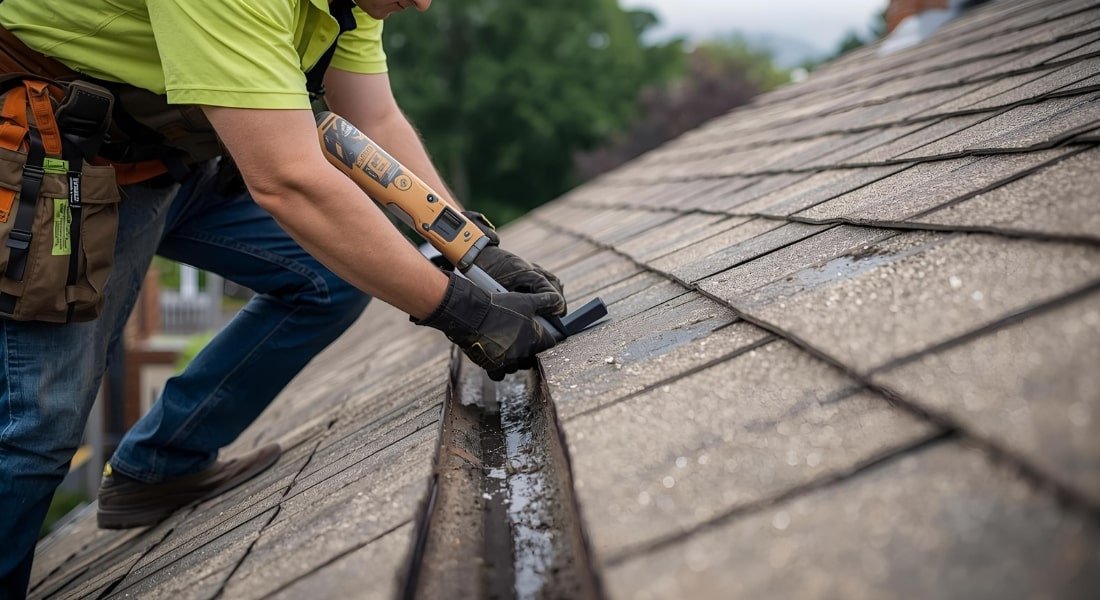
- Detailed Inspection and Leak Tracing: A Shieldline Roofing professional will meticulously inspect the entire area to find the exact source of the leak, which may be several feet away from where the water is appearing inside. They will often use water tests to confirm the repair area.
- Removing Damaged Materials: The roofer carefully removes any damaged, lifted, or corroded flashing, as well as the surrounding shingles or tiles necessary to access the underlayment.
- Clean, Prep, and Seal: The underlying area is cleaned, and any rotted wood or damaged underlayment is replaced. New sealant is applied to prep the area for the replacement metal.
- Installation of New Flashing: New metal flashing is cut, bent, and carefully installed following the proper layering technique (shingling) to ensure total water diversion. For complex areas, specialized pieces like step flashing (for walls) or apron flashing (for chimney fronts) are custom-fitted.
- Final Sealing and Re-Roofing: The new flashing is secured, and the surrounding roofing materials (shingles, tiles, etc.) are reinstalled, ensuring that the entire area is seamless and watertight.
For a minor roof flashing repair involving a small crack or seam separation, a repair may involve simply cleaning the area and applying high-quality sealant. However, if the metal itself is corroded or improperly installed, the entire section should be replaced. When considering the scope of work, homeowners often ask about the replace roof flashing cost. While replacement is more involved than a simple patch, it’s a long-term solution that provides peace of mind and is far less expensive than repairing interior water damage. It is always best to opt for replacement if the existing flashing has reached the end of its useful life.
When to Call a Professional Roofer
While some homeowners might attempt to fix a small crack with a tube of caulk, roof flashing repair is generally not a DIY project—especially not in Florida where wind and rain are unforgiving.
The danger of a DIY repair is twofold:
- Incorrect Technique: Flashing relies on precise overlapping and sealing. A novice often unknowingly creates a new path for water, leading to a leak that may be worse than the original.
- Overlooking Hidden Damage: A leak visible in the ceiling is just the endpoint of water damage. A professional inspection reveals the extent of moisture in the deck, rafters, and insulation, allowing for complete remediation.
Flashing near sensitive areas like a chimney flashing or a skylight flashing requires specialized knowledge to ensure the seal is maintained at every angle. Ignoring these areas increases the risk of mold and costly structural issues. A professional roofer not only fixes the immediate problem but also ensures that the repair meets local building codes and standards for hurricane resistance.
Shieldline Roofing is your reliable choice for professional flashing repairs across Florida. Our local expertise means we know exactly how to secure and seal your roof joints against the state’s severe weather patterns.
Conclusion
The structural integrity and water resistance of your home depend heavily on one unassuming component: your roof flashing. Timely roof flashing repair is one of the most cost-effective ways to prevent devastating and expensive interior water damage. By being vigilant for signs like ceiling stains or visible rust, and by addressing a flashing leak quickly, you safeguard your entire property.
Don’t let a small metal seam become a costly catastrophe. If you suspect a flashing leak, schedule a professional inspection with Shieldline Roofing—Fort Lauderdale’s trusted name in quality roof repair.
