
Executive Summary
- Opting for a roof-over in Florida is a perilous decision, as it merely conceals existing damage and introduces significant structural risks to your home.
- Florida’s severe weather, including hurricanes and relentless humidity, drastically exacerbates the inherent weaknesses of a roof-over, leading to premature failure and costly repairs.
- Insurance companies frequently deny claims or void policies for homes with roof-overs, leaving homeowners vulnerable and unprotected against storm damage.
- A roof-over often violates local building codes and permitting requirements, potentially resulting in fines, difficulty selling your property, and mandating expensive removal.
- The perceived short-term savings of a roof-over are deceptive, inevitably leading to higher long-term expenses from hidden rot, compromised energy efficiency, and necessary full replacement.
- Full roof replacement is the only responsible and long-lasting solution for Florida homes, ensuring compliance, safety, enhanced property value, and comprehensive warranty coverage.
- Prioritizing a complete tear-off and replacement protects your investment, adheres to stringent Florida building codes, and provides peace of mind against the state’s challenging climate.
Understanding “Roof-Over” in Florida
What exactly is a “roof-over” and why is it problematic in Florida?
A “roof-over,” also known as a re-cover, involves installing a new layer of roofing material directly over an existing roof without removing the old shingles or underlayment. While it might appear to be a cost-saving shortcut in other regions, this practice is profoundly problematic in Florida due to the state’s unique climate, stringent building codes, and susceptibility to severe weather events. Instead of addressing underlying issues, a roof-over simply adds weight and often traps moisture, creating a host of future complications for homeowners.
Critical Fact 1: Florida’s building codes are among the strictest in the nation, particularly concerning wind resistance and structural integrity, making roof-overs inherently non-compliant and risky for hurricane-prone areas.
The Hidden Dangers of a Florida Roof-Over
How do Florida’s unique weather conditions exacerbate roof-over issues?
Florida’s climate, characterized by intense heat, high humidity, torrential rains, and frequent hurricane activity, creates a hostile environment for roof-overs. The existing layer of roofing material, often degraded, can trap moisture between the old and new layers, leading to rapid development of mold, mildew, and rot in the roof deck. Furthermore, the added weight of a second roof layer significantly increases stress on the underlying structure, making it far more vulnerable to wind uplift and damage during tropical storms and hurricanes, potentially leading to catastrophic failure.
What structural integrity risks does a roof-over pose?
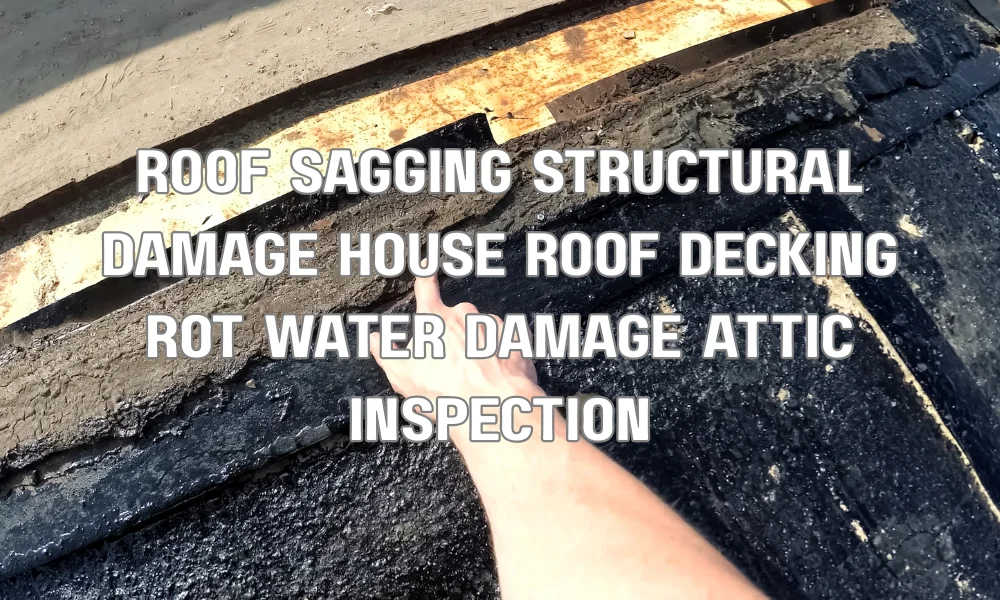
A roof-over directly compromises the structural integrity of your home in several ways. The most immediate risk is the additional, often unnecessary, weight placed on the roof trusses and decking. This extra load can exceed design specifications, especially if the original roof deck already has hidden rot or damage that cannot be inspected or repaired during a roof-over. This concealed deterioration often goes unnoticed until it’s too late, leading to costly structural failures, sagging, and eventual leaks. A roof-over also prevents proper inspection of the roof deck, leaving existing problems like soft spots, water damage, or pest infestations unaddressed and exacerbated over time.
Are there significant insurance and warranty implications for roof-overs?
Absolutely, the insurance and warranty implications of a roof-over are among the most critical reasons to avoid this practice in Florida. Many insurance providers consider roof-overs to be non-standard installations that increase risk, potentially leading to denied claims, reduced coverage, or even cancellation of your policy, especially if damage occurs during a hurricane. Furthermore, manufacturers’ warranties for new roofing materials typically require proper installation on a clean, sound deck. A roof-over often voids these warranties, leaving homeowners without protection for material defects or premature failure of the new shingles. This lack of coverage can result in massive out-of-pocket expenses when problems inevitably arise.
Critical Fact 2: Statistics show that homes with roof-overs in Florida are significantly more likely to experience insurance claim denials after hurricane events due to non-compliance with structural integrity requirements.
Financial and Legal Ramifications
What are the long-term financial costs associated with a roof-over?
While a roof-over might initially seem like a cheaper option, it invariably leads to greater long-term financial costs. The concealed damage beneath the old layer—rot, mold, pest activity—will continue to worsen, eventually requiring a complete tear-off and repair that is far more extensive and expensive than if the original issues had been addressed properly. Energy efficiency can also suffer if insulation is compromised or hidden ventilation issues are exacerbated. Moreover, when it’s time to sell your home, a roof-over often raises red flags during inspections, potentially lowering your property value or requiring a full replacement before the sale can close.
How do building codes and permitting in Florida impact roof-overs?
Florida has strict building codes designed to ensure the safety and resilience of structures, especially against high winds. Most local building departments in Florida either prohibit roof-overs entirely or place severe restrictions on them, often only allowing one existing layer before requiring a complete tear-off. Attempting a roof-over without proper permits is illegal and can result in significant fines, stop-work orders, and a mandate to tear off both layers and start over—a far more expensive proposition. Proper permitting ensures your roof meets safety standards, passes inspections, and maintains compliance for insurance and resale purposes.
The Superior Alternative: A Complete Roof Replacement
Why is a full roof replacement the only viable solution for Florida homes?
A complete roof replacement, involving the tear-off and removal of all existing roofing materials down to the structural decking, is the only viable and responsible solution for homes in Florida. This process allows for a thorough inspection of the roof deck for any hidden damage, rot, or structural weaknesses, which can then be properly repaired before new underlayment and shingles are installed. It ensures adherence to the latest Florida building codes, including enhanced fastening schedules and wind mitigation techniques crucial for hurricane resistance, providing unparalleled protection and peace of mind.
What are the benefits of a proper roof replacement?
Beyond compliance and safety, a full roof replacement offers numerous benefits, including a significantly longer lifespan, comprehensive manufacturer warranties, improved energy efficiency through proper insulation and ventilation, and enhanced curb appeal and property value. It eliminates hidden dangers, provides optimal protection against Florida’s harsh climate, and ensures your home meets all regulatory standards.
| Feature | Roof-Over (Re-Cover) | Full Roof Replacement (Tear-Off) |
|---|---|---|
| Initial Cost | Lower | Higher |
| Long-Term Cost | Significantly higher due to hidden damage, early failure, potential re-do | Lower, due to durability, warranty, and proper installation |
| Structural Integrity | Compromised; added weight, conceals damage | Enhanced; deck inspected and repaired, optimized weight distribution |
| Florida Building Code Compliance | Often non-compliant; high risk of permit issues | Full compliance with latest codes and wind mitigation requirements |
| Insurance Acceptance & Claims | High risk of denial or voided policy | Typically accepted; smoother claims process |
| Manufacturer Warranty | Often voided or severely limited | Full, comprehensive warranty coverage |
| Expected Lifespan | Significantly reduced (5-10 years) | Full product lifespan (20-30+ years) |
| Property Value Impact | Negative; red flag for buyers and appraisers | Positive; adds value, improves marketability |
Critical Fact 3: A recent study by the Florida Association of Building Inspectors found that over 70% of roof-overs inspected after 5 years exhibited significant hidden moisture damage or structural compromise requiring immediate and costly intervention.
Frequently Asked Questions
What is the primary risk of a roof-over in Florida’s climate?
The primary risk is trapping moisture between the old and new layers, which accelerates rot, mold growth, and structural decay of the underlying roof deck. Florida’s high humidity and heavy rainfall create ideal conditions for this hidden damage to flourish, weakening the entire roof system and making it highly vulnerable to storm damage.
Will my insurance cover a roof-over in Florida?
Many insurance companies in Florida are hesitant to cover or may even deny claims for homes with roof-overs, viewing them as a higher risk due to non-compliance with building codes and compromised structural integrity. It is crucial to check with your specific insurer, but a full replacement generally ensures better coverage.
Are roof-overs legal in all Florida counties?
No, roof-overs are not universally legal in Florida. Many counties and municipalities either prohibit them entirely or permit only one existing layer before a complete tear-off is mandated. Always consult your local building department for specific requirements and permits.
How does a roof-over impact my home’s resale value?
A roof-over typically negatively impacts your home’s resale value. Home inspectors will flag it as a potential issue, leading to concerns from potential buyers about hidden problems, insurance difficulties, and future repair costs. This often results in lower offers or demands for a full replacement before closing.
Can a roof-over withstand hurricane winds?
A roof-over is significantly less equipped to withstand hurricane winds compared to a properly installed full roof replacement. The added weight, potential for trapped moisture, and inability to properly secure new materials to a compromised deck make it highly susceptible to uplift and catastrophic failure during severe weather.
How do I know if my roof has a roof-over?
You can often tell if your roof has a roof-over by looking at the edges, specifically around the drip edge or rake edges. If you see two distinct layers of shingles, or if the roof looks unusually thick, it’s likely a roof-over. A professional roof inspection can confirm it definitively.
What is the difference in lifespan between a roof-over and a full replacement?
A roof-over’s lifespan is drastically reduced, often lasting only 5-10 years before significant problems arise. A full, properly installed roof replacement with quality materials, however, can last 20-30 years or more, providing a much better return on investment.
What are the first steps if I suspect I have a roof-over and live in Florida?
If you suspect your home has a roof-over, the first step is to contact a reputable, licensed Florida roofing contractor for a thorough inspection. They can assess the condition, confirm the presence of a roof-over, identify any hidden damage, and provide recommendations for a proper, code-compliant full roof replacement.
