
Executive Summary
- Florida’s stringent building codes and unique climate demand specialized roofing solutions for restaurants, prioritizing wind resistance and long-term durability.
- Selecting fire-resistant and code-compliant materials is paramount for restaurant roofs, especially concerning kitchen exhaust systems and fire safety regulations.
- Proactive maintenance, regular inspections, and effective drainage are critical for extending roof lifespan and preventing costly water damage or business interruptions.
- Understanding High-Velocity Hurricane Zones (HVHZ) and specific wind uplift requirements ensures a restaurant roof can withstand severe weather events.
- Investing in energy-efficient cool roofing materials significantly reduces operational costs by mitigating heat absorption and lowering air conditioning demands.
- Navigating local permitting and inspection processes is essential to ensure compliance, avoid penalties, and validate the safety and integrity of roofing installations.
Navigating Florida’s Restaurant Roof Landscape: Codes and Challenges
What are the primary Florida Building Codes governing restaurant roofs?
The Florida Building Code (FBC), specifically the 7th Edition (2020), outlines comprehensive requirements for all commercial roofs, including restaurants. Key sections address wind resistance, fire safety, and energy efficiency. Restaurants must adhere to FBC Chapter 15 for roofs and roofing components, which details material specifications, installation standards, and performance criteria designed to withstand Florida’s unique environmental challenges, particularly hurricanes and intense UV radiation. Compliance often requires specific engineering for wind uplift and impact resistance.
Critical Fact 1: Florida Building Code Chapter 15 mandates that all commercial roofing systems, including those for restaurants, must be designed and installed to meet specific wind uplift resistance values, which are significantly higher in High-Velocity Hurricane Zones (HVHZ).
How do Florida’s unique climate and HVHZ affect roofing choices?
Florida’s climate, characterized by high humidity, intense UV radiation, heavy rainfall, and the constant threat of hurricanes, profoundly influences appropriate roofing choices. High-Velocity Hurricane Zones (HVHZ), like Miami-Dade and Broward counties, impose the most stringent requirements, demanding enhanced wind uplift resistance, impact resistance, and material durability. Even outside HVHZ, roofs must contend with sustained heat that can degrade materials, persistent moisture that promotes mold and mildew, and corrosive salt air in coastal regions. Roofing materials and systems must be specifically rated for these conditions to ensure longevity and structural integrity.
Critical Material Selection for Longevity and Compliance
Which roofing materials are best suited for Florida’s restaurant environment?
For Florida’s restaurant environment, TPO (Thermoplastic Polyolefin), PVC (Polyvinyl Chloride), and metal roofing are generally best suited due to their durability, reflective properties, and resistance to harsh weather. TPO and PVC membranes are excellent for flat or low-slope roofs, offering strong resistance to UV, chemicals, and punctures, making them ideal for areas with grease vents and foot traffic. Metal roofs, especially standing seam, provide exceptional wind resistance, longevity, and often qualify for energy credits due to their reflective surfaces. Modified bitumen also finds application for its waterproofing capabilities.
What fire safety and ventilation considerations are unique to restaurant roofs?
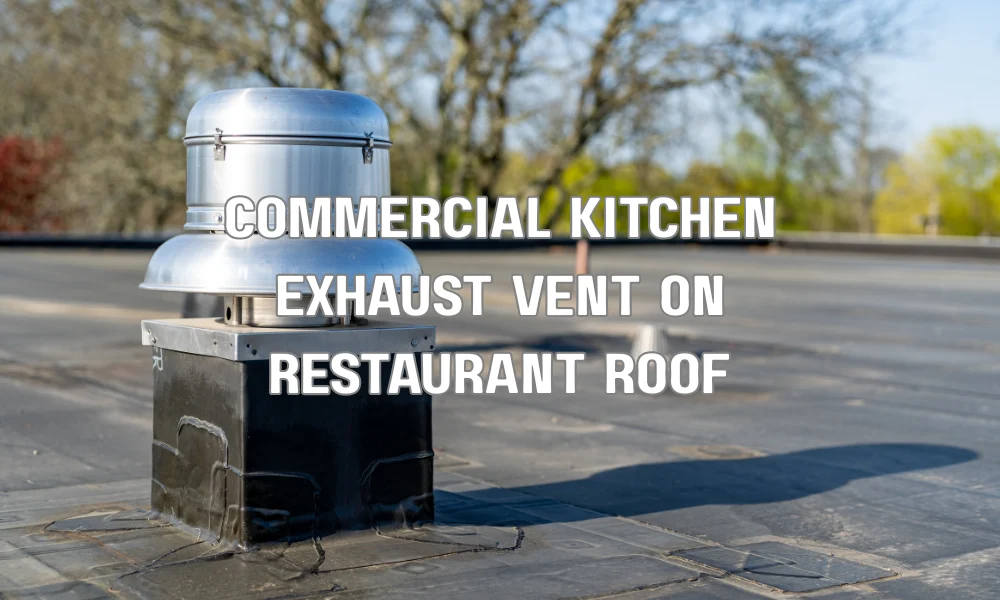
Restaurant roofs have unique fire safety and ventilation considerations primarily due to commercial kitchen exhaust systems. NFPA 96 (Standard for Ventilation Control and Fire Protection of Commercial Cooking Operations) is paramount, requiring specific clearance between exhaust ducts and combustible materials, appropriate rooftop grease containment systems, and fire-rated materials around penetrations. Grease accumulation on roofs from exhaust systems poses a significant fire hazard and requires diligent cleaning and maintenance protocols. Roofing materials themselves must also meet specific fire resistance ratings to ensure overall building safety.
What are the long-term cost implications of different roofing materials in Florida?
The long-term cost implications of different roofing materials in Florida involve a balance of initial investment, energy efficiency, maintenance, and lifespan. While some materials have higher upfront costs, their superior durability and energy savings can lead to lower total cost of ownership over their lifespan. Conversely, cheaper materials might require more frequent repairs or earlier replacement.
| Material Type | Avg. Lifespan (Years) | Initial Cost ($/sq ft) | Energy Efficiency | Maintenance Needs | Florida Suitability |
|---|---|---|---|---|---|
| TPO (Thermoplastic Polyolefin) | 15-25 | $7 – $12 | High (Reflective) | Low to Moderate | Excellent |
| PVC (Polyvinyl Chloride) | 20-30 | $8 – $15 | High (Reflective) | Low | Excellent |
| Metal (Standing Seam) | 40-60+ | $10 – $20+ | High (Reflective) | Very Low | Excellent |
| Modified Bitumen | 10-20 | $5 – $9 | Moderate (Granular) | Moderate | Good |
| EPDM (Rubber) | 20-30 | $6 – $11 | Low (Dark Absorbs Heat) | Low to Moderate | Fair (Less common in FL due to heat) |
Critical Fact 2: The most significant long-term cost savings for Florida restaurant roofs often come from investing in highly reflective ‘cool roof’ materials, which can reduce cooling costs by 15-20% annually, a crucial factor in the state’s hot climate.
Best Practices for Installation, Maintenance, and Energy Efficiency
How can proper installation techniques enhance roof durability in Florida?
Proper installation techniques are fundamental to enhancing roof durability in Florida, primarily through meticulous attention to detail and adherence to manufacturer specifications and FBC requirements. This includes using appropriate fasteners for wind uplift, ensuring proper seam welding for membrane roofs, and correct flashing around all penetrations like vents, skylights, and exhaust stacks. Employing experienced, licensed contractors familiar with Florida-specific codes and hurricane-rated systems is crucial. Adequate insulation and ventilation within the roof assembly also prevent heat buildup and moisture issues, further extending the roof’s life.
What routine maintenance practices are essential for Florida restaurant roofs?
Routine maintenance practices are essential for Florida restaurant roofs to combat the effects of harsh weather and grease accumulation. This includes quarterly or semi-annual inspections to identify minor damage, clear debris (especially after storms), and address standing water. Cleaning gutters and downspouts prevents blockages and ensures proper drainage. Crucially, restaurant roofs require specialized cleaning for grease buildup from kitchen exhausts, which is a fire hazard and degrades roofing materials. Prompt repair of small leaks or membrane damage prevents escalation into major, costly issues.
How can restaurants optimize their roofs for energy efficiency and sustainability?
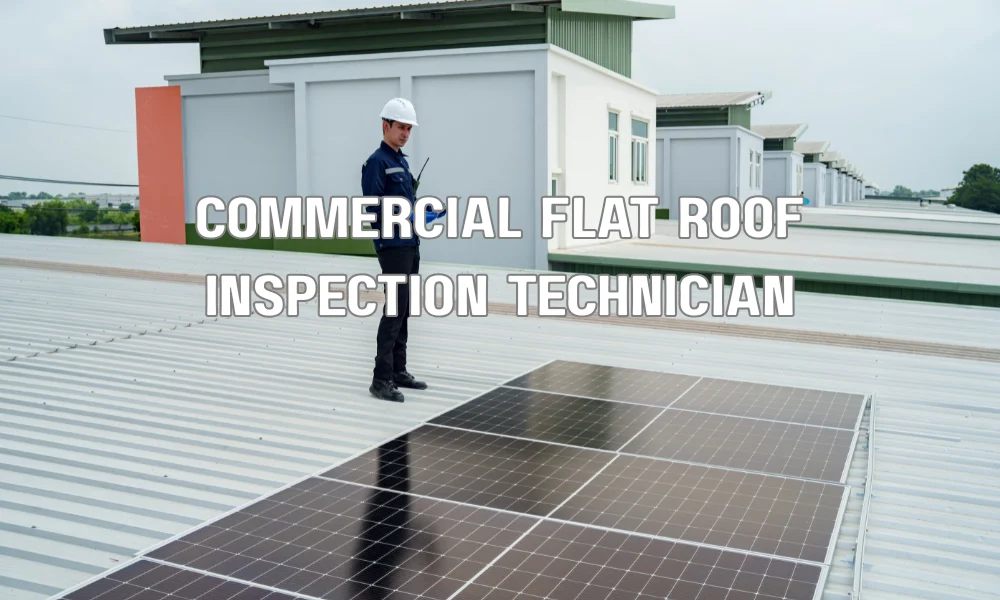
Restaurants can optimize their roofs for energy efficiency and sustainability through several key strategies. Choosing highly reflective “cool roof” materials, such as light-colored TPO or metal with reflective coatings, significantly reduces heat absorption, lowering HVAC loads and energy consumption. Integrating proper insulation levels during installation further enhances thermal performance. Considering solar panel installations can generate renewable energy, offsetting electricity costs. Effective attic or roof deck ventilation also helps dissipate heat, reducing the “heat island” effect and creating a more comfortable interior environment.
Ensuring Compliance and Future-Proofing Your Investment
What permitting and inspection processes must Florida restaurants follow for roofing projects?
Florida restaurants must navigate a specific permitting and inspection process for roofing projects, beginning with obtaining local building permits before any work commences. This typically involves submitting detailed plans, material specifications, and often structural engineering calculations, especially for reroofs or major repairs in HVHZ. During construction, various inspections are required, including tear-off, dry-in, and final inspections, to ensure compliance with the FBC and local ordinances. Failing to secure proper permits and inspections can result in fines, project delays, or even demolition orders.
How can restaurants mitigate common roofing issues like leaks and mold?
Restaurants can mitigate common roofing issues like leaks and mold through a combination of robust design, quality materials, and proactive maintenance. Ensuring adequate roof slope and proper drainage systems prevents standing water, a primary cause of leaks and conducive to mold growth. Using mold-resistant materials and coatings, especially in Florida’s humid climate, is also beneficial. Regular professional inspections can identify potential vulnerabilities early, such as compromised flashing or membrane damage, allowing for timely repairs before they lead to extensive leaks or mold proliferation within the building structure.
Critical Fact 3: Proactive, specialized grease management on restaurant roofs, including dedicated containment systems and regular professional cleaning per NFPA 96, is non-negotiable for preventing fire hazards and premature roof degradation.
Frequently Asked Questions
What is the typical lifespan of a restaurant roof in Florida?
The typical lifespan of a restaurant roof in Florida varies greatly depending on the material, installation quality, and maintenance. TPO and PVC can last 15-30 years, while metal roofs often exceed 40-60 years. Poor maintenance or severe hurricane damage can significantly shorten these lifespans.
Do I need a special permit to repair my restaurant’s roof in Florida?
Yes, most roofing repairs or replacements for commercial buildings, including restaurants, in Florida require a building permit from your local municipality or county. This ensures the work complies with the Florida Building Code and local ordinances.
How often should a restaurant roof be inspected in Florida?
Restaurant roofs in Florida should be professionally inspected at least twice a year, ideally in spring and fall, and always after any major storm event. This frequency helps detect and address issues before they become costly problems.
Are “cool roofs” mandatory for Florida restaurants?
“Cool roofs” are not universally mandatory, but the FBC does have energy efficiency requirements that can often be met by incorporating reflective materials. Investing in a cool roof is highly recommended for restaurants in Florida due to significant energy savings.
What specific challenges do grease exhaust systems pose to restaurant roofs?
Grease exhaust systems pose challenges due to the hot, greasy effluent they expel, which can degrade standard roofing materials, accumulate as a fire hazard, and require specialized containment and cleaning protocols under NFPA 96.
How do hurricanes affect Florida restaurant roof warranties?
Hurricane damage is often covered by warranties if the roof was installed to code and properly maintained. However, warranties typically have specific clauses regarding acts of God and may require documented proof of adherence to maintenance schedules.
Can I install solar panels on my Florida restaurant roof?
Yes, solar panels can be installed on Florida restaurant roofs. However, the roof structure must be assessed for load-bearing capacity, and the installation must comply with local building codes, including wind uplift requirements specific to solar arrays.
What is the impact of standing water on a Florida restaurant roof?
Standing water on a Florida restaurant roof is detrimental, leading to premature material degradation, potential leaks, the growth of mold and mildew, and increased structural load. Proper drainage and regular inspections are crucial to prevent this.
