
Executive Summary
- Florida’s recent roofing code updates significantly enhance building resilience against severe weather events, especially hurricanes, crucial for homeowner safety.
- These revisions primarily focus on strengthening material specifications, fastening techniques, and underlayment requirements to withstand higher wind loads.
- Property owners should prioritize hiring licensed contractors well-versed in the latest Florida Building Code to ensure full compliance and avoid future issues.
- Investing in updated roofing systems, while potentially increasing initial costs, often leads to substantial long-term savings through reduced insurance premiums and enhanced durability.
- Understanding the permit process and insisting on proper documentation for all roofing projects is vital for compliance and protecting property value.
- The new codes aim to mitigate widespread damage after storms, reducing repair times and minimizing the overall economic impact on affected communities.
Understanding the Impetus for Change
Why were the Florida Building Commission roofing updates necessary?
The Florida Building Commission roofing updates were primarily necessitated by a relentless pattern of severe weather events, particularly devastating hurricanes, which repeatedly exposed vulnerabilities in the state’s existing building infrastructure. These revisions are a direct response to the escalating financial and human costs associated with widespread property damage, aiming to fortify homes against future climatic challenges. By strengthening code requirements, Florida seeks to enhance structural integrity and promote long-term resilience across its residential and commercial properties.
Critical Fact: Since 2000, Florida has experienced 12 major hurricanes (Category 3 or higher), leading to billions in insured losses and underscoring the critical need for more robust building codes.
The persistent cycle of hurricane destruction has placed immense pressure on Florida’s insurance market, with rising premiums and dwindling availability becoming significant concerns for homeowners. Stricter building codes, particularly for roofing, are seen as a proactive measure to reduce insurance risks by building more durable structures less prone to catastrophic failure. Furthermore, these updates reflect a commitment to sustainable construction practices, ensuring that repairs and new builds contribute to a more resilient future for the state.
Key Revisions and Their Impact
What are the primary changes introduced in the latest roofing code updates?
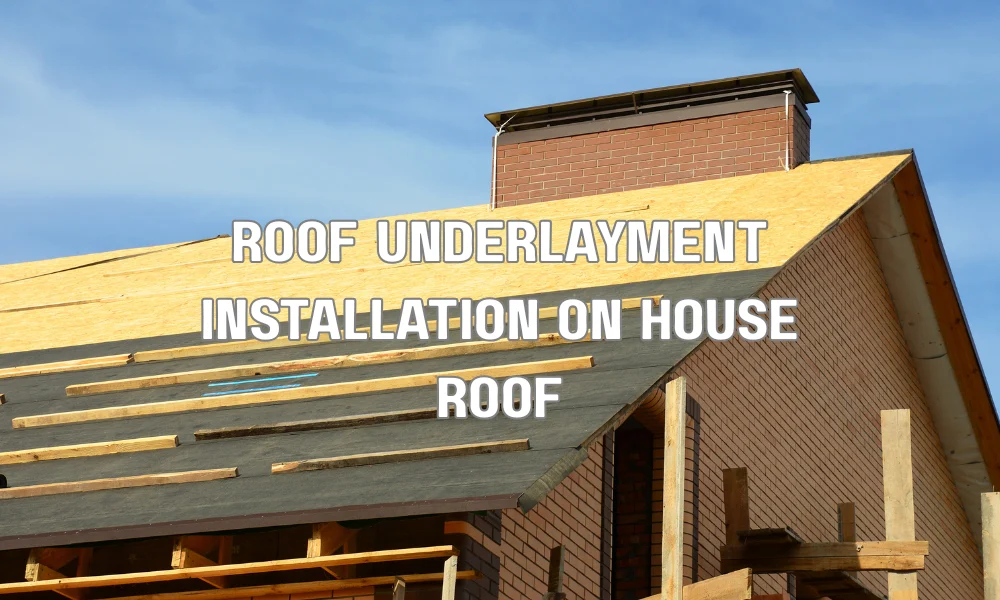
The latest Florida roofing code updates introduce several primary changes focusing on enhanced durability and wind resistance, significantly impacting material specifications, fastening requirements, and underlayment standards. Key revisions include stricter provisions for roof deck attachment, demanding stronger and more frequent fasteners to prevent uplift during high winds. Additionally, underlayment systems are now subject to more rigorous standards, often requiring self-adhering membranes or multiple layers to create a superior moisture barrier.
These updates also address specific material types, mandating improved wind resistance ratings for popular roofing materials like asphalt shingles and tile. For instance, testing protocols have become more stringent to ensure products can withstand the extreme uplift pressures common in Florida hurricanes. Ventilation requirements have also been refined to prevent moisture accumulation and prolong roof lifespan, contributing to overall structural health and energy efficiency. The goal is to create a more integrated and robust roofing system that functions as a cohesive unit against severe weather.
How do these updates affect different roofing materials commonly used in Florida?
The updates impact various roofing materials by imposing higher performance standards, particularly concerning wind resistance and attachment methods, requiring manufacturers and installers to adapt their practices. Asphalt shingles, for example, must now meet enhanced wind resistance ratings (e.g., ASTM D7158 Class H or higher), often necessitating advanced adhesive strips and specific nailing patterns to prevent blow-offs. Metal roofing systems, while already highly durable, see stricter requirements for panel gauges, fastener types, and seam integrity to ensure they remain securely attached under extreme pressure.
Tile roofs, renowned for their aesthetics, face updated installation protocols focusing on improved fastening techniques (e.g., using foam adhesives in addition to mechanical fasteners) and enhanced mortar systems to prevent dislodgement. Flat or low-slope roofs, typically found on commercial properties or certain residential designs, now require more robust membrane systems, often involving thicker materials and reinforced flashing details to prevent water intrusion. Ultimately, these changes ensure that regardless of the material chosen, the installed roof provides a superior level of protection against Florida’s harsh environment.
Table 1: Comparative Impact of Florida Building Code Updates on Common Roofing Materials
| Roofing Material | Primary Code Impact Area | Specific Requirements / Changes | Typical Cost Implication (Relative) |
|---|---|---|---|
| Asphalt Shingles | Wind Resistance & Fastening | ASTM D7158 Class H/I ratings; 6-nail pattern or enhanced adhesive strips; increased fastener frequency. | Moderate Increase (5-10%) |
| Metal Roofing | Panel Attachment & Seam Integrity | Minimum panel gauge requirements; specialized fasteners; enhanced seam interlocking or sealed systems. | Slight Increase (3-7%) |
| Concrete/Clay Tiles | Attachment & Underlayment | Adhesive/foam set installation in addition to fasteners; reinforced underlayment (e.g., two-ply or self-adhered). | Moderate Increase (8-15%) |
| Modified Bitumen (Low-Slope) | Membrane Strength & Flashing | Thicker membranes; reinforced base sheets; robust flashing details at transitions and penetrations. | Slight Increase (4-8%) |
Compliance and Implementation for Homeowners and Contractors
What are the essential steps for homeowners to ensure their roof complies with new regulations?
Homeowners must take several essential steps to ensure their roof complies with new Florida regulations, primarily starting with hiring only licensed and reputable roofing contractors who are current with the latest code requirements. It is crucial to obtain detailed bids that explicitly state adherence to the current Florida Building Code, including specific material specifications and installation methods. Homeowners should also verify that their contractor pulls all necessary permits before any work begins, as this ensures that the project will undergo required inspections by local building officials.
Additionally, homeowners should request a clear timeline for inspections and be present, if possible, or designate a representative to ask questions during these critical phases. Maintaining thorough documentation, including contracts, permits, inspection reports, and product warranties, is vital for future insurance claims or property sales. Finally, understanding the basics of the updated code for their specific roof type can empower homeowners to ask informed questions and verify that the work is performed to standard.
How can roofing contractors effectively navigate and implement the new Florida building codes?
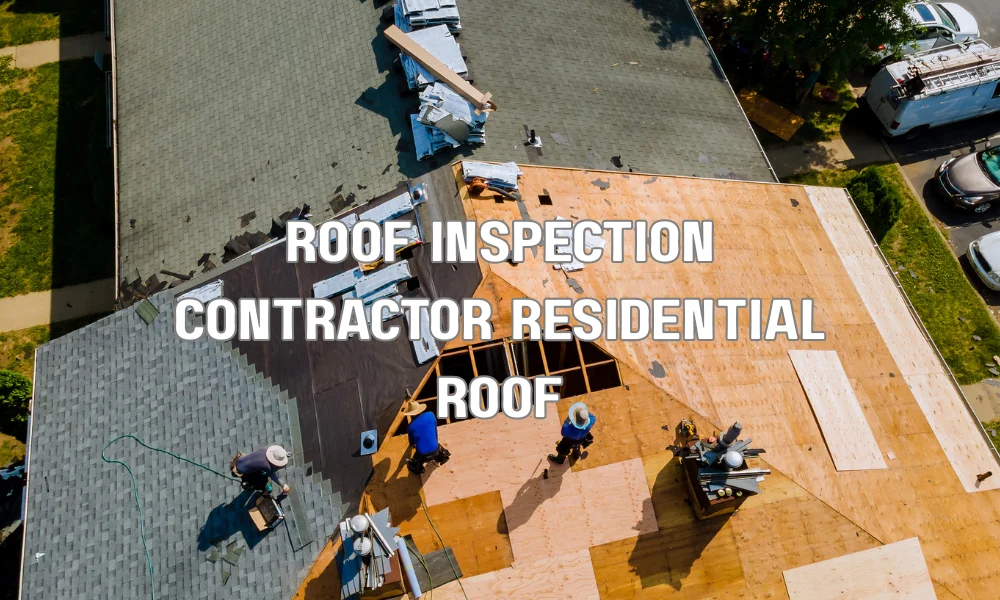
Roofing contractors can effectively navigate and implement the new Florida building codes by prioritizing continuous education, investing in comprehensive staff training, and updating their material procurement and installation processes. Staying abreast of every code amendment through regular workshops, industry seminars, and direct engagement with building commission resources is non-negotiable for compliance. Contractors must ensure all their crews are thoroughly trained on the specific changes to fastening schedules, underlayment requirements, and material handling techniques for each roofing system.
Effective implementation also involves meticulously documenting every stage of a project, from initial design specifications and material orders to photographic evidence of critical installation steps, to satisfy inspection requirements. Contractors should establish strong relationships with suppliers who stock code-compliant products and be prepared to explain these changes clearly to clients, articulating the long-term benefits of compliance despite potential initial cost increases. Leveraging technology for project management and digital documentation can further streamline the compliance process.
Financial and Long-Term Implications
What are the financial implications of these roofing updates for property owners?
The financial implications of these roofing updates for property owners primarily involve a potential increase in upfront costs for new roof installations or replacements due to more stringent material and labor requirements. However, this initial investment is frequently offset by significant long-term savings through reduced home insurance premiums and a substantial decrease in the likelihood of costly repairs after severe weather events. Insurers often offer discounts for roofs built to the latest, most resilient codes, recognizing the reduced risk of claims.
Furthermore, a code-compliant roof significantly enhances property value and marketability, providing a competitive edge in Florida’s dynamic real estate market. The improved durability means a longer lifespan for the roof, deferring replacement costs and maintenance for a greater period. While the immediate outlay might be higher, the cumulative benefits in terms of insurance savings, avoided damage expenses, and increased property equity often lead to a positive return on investment over the roof’s lifetime.
How do the new roofing standards contribute to greater resilience against severe weather?
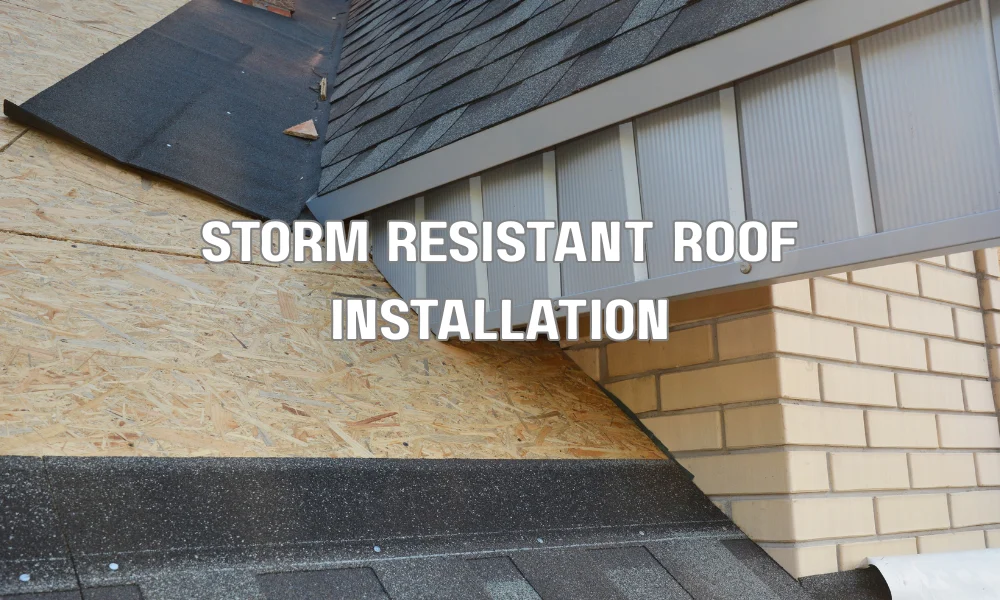
The new roofing standards contribute to greater resilience against severe weather by mandating a multi-layered approach to protection, significantly enhancing a roof’s ability to withstand high winds, heavy rain, and projectile impacts. By requiring stronger deck attachment and more robust fastening patterns, the codes prevent the catastrophic uplift and detachment of the entire roof system during hurricane-force winds. Enhanced underlayment standards, often involving self-adhering membranes, create a secondary water barrier that protects the building interior even if the primary roofing material is compromised.
Moreover, the upgraded material specifications ensure that shingles, tiles, and metal panels are engineered to endure higher wind pressures and impacts from wind-borne debris, minimizing widespread damage. This comprehensive strengthening means roofs are less likely to fail, reducing water intrusion, structural damage, and the overall vulnerability of the entire property. The cumulative effect is a more robust building envelope that better protects occupants and property, reducing recovery times and the broader economic impact of storms.
Critical Fact: Studies by the Federal Emergency Management Agency (FEMA) indicate that homes built to modern building codes, especially those related to roofing, experience significantly less damage (up to 40% reduction) during hurricanes compared to older structures.
Frequently Asked Questions
What is the Florida Building Commission?
The Florida Building Commission is a governmental body responsible for developing and maintaining the Florida Building Code, which sets minimum standards for design, construction, erection, alteration, modification, repair, and demolition of public and private buildings in Florida. Its primary goal is to protect the public health, safety, and welfare.
When did the latest roofing code updates take effect?
The effective date for Florida Building Code updates can vary, but major revisions are typically released every three years. Homeowners and contractors should always refer to the specific edition of the Florida Building Code currently enforced by their local jurisdiction, which often includes a grace period for older permits.
Do these new codes apply to roof repairs, or just full replacements?
The application of new codes to repairs versus full replacements can depend on the extent of the repair. Generally, if more than 25% of the roofing system’s surface area is being repaired, or if the roof deck needs replacement, the entire section or roof often needs to be brought up to current code. Minor spot repairs might not trigger full code compliance.
Will my home insurance premiums decrease with a new, code-compliant roof?
It is highly likely that your home insurance premiums will decrease with a new, code-compliant roof, especially one built to the latest wind-mitigation standards. Many insurers offer specific discounts for upgraded roofing that can better withstand hurricanes, as it reduces their risk exposure. Always check with your insurance provider.
How can I verify if my contractor is licensed and familiar with the new codes?
You can verify a contractor’s license through the Florida Department of Business and Professional Regulation (DBPR) website. For familiarity with new codes, ask for proof of recent training, references from projects completed under the new code, and detailed proposals that explicitly mention compliance with the current Florida Building Code.
What happens if my roof doesn’t meet the new codes after an inspection?
If your roof doesn’t meet the new codes after an inspection, the local building department will typically issue a notice of violation or a stop-work order. You or your contractor will then be required to make the necessary corrections to bring the work up to code before the project can proceed or pass final inspection.
Are there any financial assistance programs for homeowners to update their roofs?
Yes, Florida often has various local and state programs aimed at assisting homeowners with hurricane hardening, which can include roof upgrades. Programs like My Safe Florida Home provide grants for wind mitigation improvements. Homeowners should research local government initiatives, utility programs, and federal grants.
How long should a new, code-compliant roof last in Florida?
The lifespan of a new, code-compliant roof in Florida varies by material but generally ranges from 15-20 years for asphalt shingles, 20-30 years for modified bitumen, and 30-50+ years for metal or tile roofs. Adherence to new codes enhances durability, potentially extending these lifespans further by resisting weather damage.
