
Executive Summary
- Polycarbonate roofing panels offer exceptional hurricane resistance, proving an invaluable asset for structures across South Florida’s vulnerable climate.
- Advanced UV protection integrated into these panels significantly extends their lifespan while safeguarding underlying spaces from intense solar radiation.
- Their superior light transmission capabilities illuminate outdoor living areas and interior spaces naturally, reducing the need for artificial lighting.
- Lightweight yet incredibly durable, polycarbonate simplifies installation processes and places minimal strain on supporting structural frameworks.
- Ideal for various applications, from patio covers to carports, these panels create resilient and comfortable outdoor environments adapted to tropical conditions.
- Investing in high-quality polycarbonate ensures long-term performance, substantial energy savings, and enhanced property value in the demanding South Florida region.
- Strict adherence to local building codes, particularly Miami-Dade NOA standards, is paramount for ensuring maximum safety and structural integrity against severe weather.
The Resilient Choice: Polycarbonate Roofing in South Florida
What makes polycarbonate ideal for South Florida’s climate?
Polycarbonate’s exceptional impact resistance, inherent UV protection, and remarkable ability to withstand extreme weather conditions make it uniquely suited for South Florida’s hurricane-prone, high-UV environment. Its superior strength allows it to endure significant wind loads and resist damage from airborne debris, a critical advantage during tropical storms and hurricanes. Unlike glass or acrylic, polycarbonate is virtually shatterproof, offering a safer and more durable roofing solution for overhead applications.
Critical Fact 1: Polycarbonate panels possess an impact strength up to 200 times greater than glass and 30 times greater than acrylic, making them exceptionally resistant to hurricane-force winds and impacts.
Furthermore, advanced co-extruded UV protection layers prevent the material from yellowing, degrading, or becoming brittle over time due to the intense South Florida sun. This ensures long-term optical clarity and structural integrity, while simultaneously shielding the covered area from harmful UV rays and reducing heat gain.
How do polycarbonate panels offer superior storm protection?
Polycarbonate panels provide superior storm protection primarily through their inherent impact strength and flexibility, which allows them to absorb and distribute energy from impacts without shattering. During tropical storms and hurricanes, this means the panels can resist significant wind-borne debris, such as branches or loose objects, a crucial advantage over more fragile materials. The material’s molecular structure provides exceptional resilience, allowing it to flex under pressure rather than breaking, thereby maintaining structural integrity and preventing catastrophic failure of the roof system. Approved installation methods, utilizing specific fastening systems, further enhance their ability to withstand severe uplift pressures and lateral forces common in hurricane-force winds.
What are the key benefits of UV-protected polycarbonate in a tropical environment?
UV-protected polycarbonate panels offer crucial benefits in tropical environments by preventing degradation from intense sunlight, ensuring long-term clarity, and blocking harmful UV rays from reaching shaded areas, thus protecting people and property. The co-extruded UV layer acts as a barrier, preventing the panel itself from yellowing, cracking, or losing its structural integrity over time due to photodegradation. This protection extends the material’s aesthetic appeal and functional lifespan significantly. Moreover, by filtering out harmful UV radiation, these panels safeguard outdoor furniture, flooring, and even occupants from sun damage and excessive heat, contributing to a more comfortable and sustainable outdoor living space. The reduction in solar heat gain also translates to lower cooling costs for adjacent indoor areas.
Applications and Design Considerations
Where are polycarbonate roofing panels commonly used in South Florida?
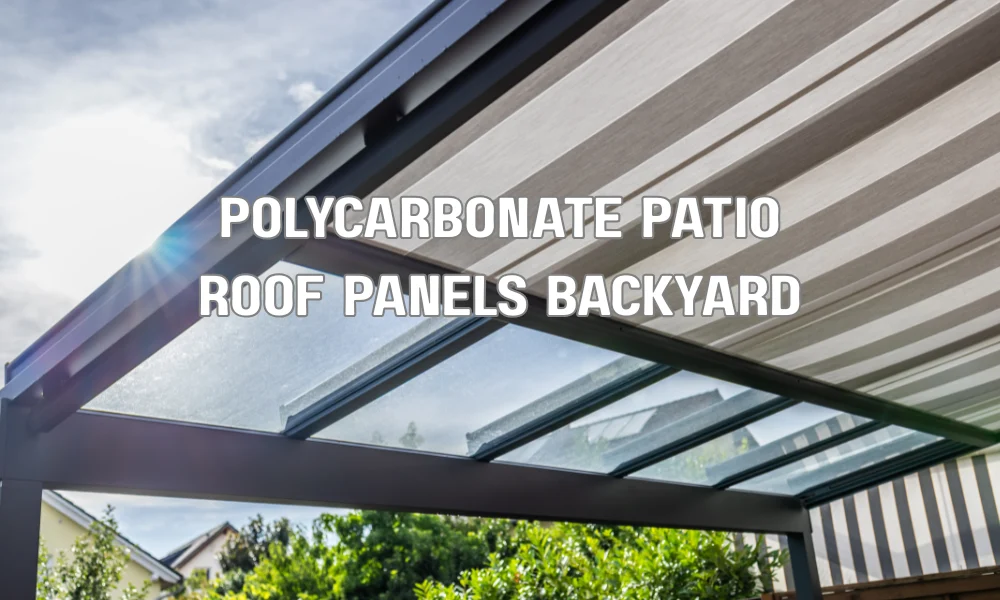
Polycarbonate roofing panels are commonly used across South Florida for an extensive range of applications, including patio covers, carports, pergolas, pool enclosures, lanais, and even sophisticated greenhouse structures, providing durable and attractive overhead protection. Their versatility makes them perfect for enhancing outdoor living spaces, offering shelter from rain and sun while allowing natural light to penetrate. For residential properties, they create comfortable, year-round outdoor areas, while commercial applications benefit from their durability and aesthetic appeal for covered walkways, bus stops, and outdoor dining areas.
What design factors should be considered for optimal performance?
Optimal performance for polycarbonate roofing in South Florida requires careful consideration of factors like panel thickness, color/tint for light and heat control, proper slope for drainage, and strict adherence to local building codes for wind load and hurricane resistance. Panel thickness directly correlates with load-bearing capacity and impact resistance; thicker panels are essential for larger spans and hurricane zones. The choice of panel tint significantly impacts light transmission and heat gain – clear panels maximize light, while bronze or opal tints reduce glare and solar heat. A minimum slope of 1/4 inch per foot is crucial for effective water runoff, preventing pooling and potential leaks.
Critical Fact 2: Miami-Dade County, Florida, has some of the most stringent building codes in the nation, particularly for hurricane resistance, requiring all roofing materials, including polycarbonate, to meet specific Notice of Acceptance (NOA) standards.
Framing materials must be robust and compatible with polycarbonate’s thermal expansion properties. Adequate ventilation should also be designed to prevent heat buildup beneath the panels, especially in enclosed areas.
| Panel Type | Thickness (mm) | Light Transmission (%) | R-Value (approx.) | Typical Cost/Sq Ft (USD) | Primary Use Cases |
|---|---|---|---|---|---|
| Solid Polycarbonate | 3-12 | 85-90 | 0.7-1.5 | $7.00 – $15.00 | Security glazing, skylights, barrel vaults, small canopies |
| Twinwall Polycarbonate | 4-10 | 75-80 | 1.5-2.5 | $3.50 – $8.00 | Greenhouses, patio covers, carports, vertical glazing |
| Multiwall (3-wall or more) | 16-32 | 30-70 | 2.5-4.5 | $6.00 – $12.00 | Insulated conservatories, larger patio enclosures, advanced greenhouses |
| Corrugated Polycarbonate | 0.8-1.2 | 85-90 | 0.5-0.8 | $2.00 – $5.00 | Basic patio covers, sheds, fence panels, DIY projects |
Installation and Longevity
What are the essential installation considerations for hurricane zones?
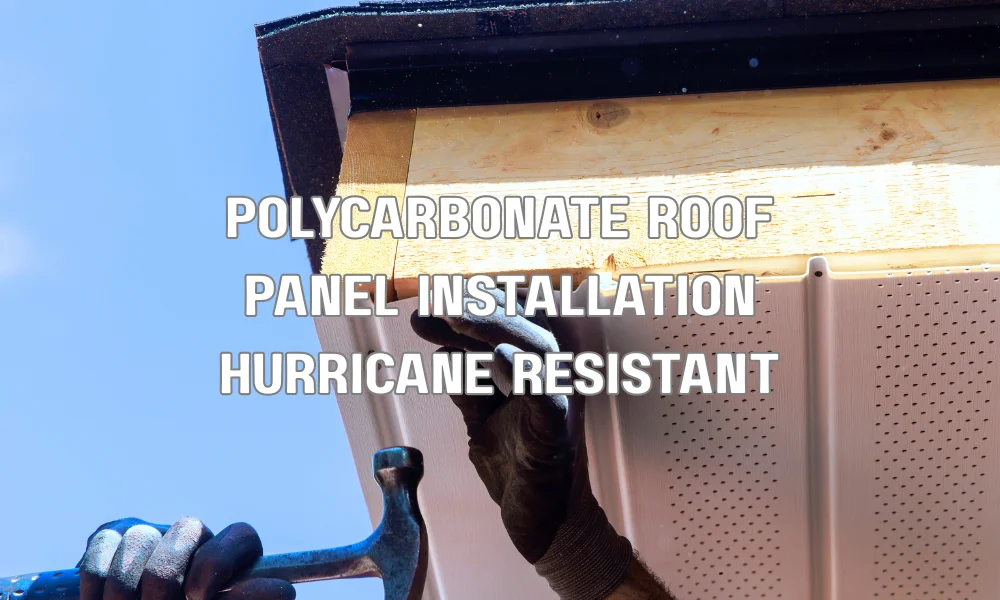
Essential installation considerations for polycarbonate in hurricane zones include using approved fastening systems, adhering to strict wind uplift requirements, ensuring adequate structural support, and meticulously sealing all connections to prevent water intrusion. In South Florida, compliance with Miami-Dade County building codes and obtaining a Notice of Acceptance (NOA) for the specific panel and system is often mandatory. Fasteners must be corrosion-resistant and spaced according to engineering specifications to resist extreme wind loads. Proper allowance for thermal expansion and contraction is also vital, preventing panel buckling or cracking over time due to temperature fluctuations. The supporting structure must be robust enough to handle the specified wind loads and the weight of the panels, and all perimeter flashing and sealing must be watertight to prevent leaks during heavy rainfall.
How can the lifespan of polycarbonate roofing be maximized in South Florida?
Maximizing the lifespan of polycarbonate roofing in South Florida involves routine cleaning to prevent mildew and algae growth, regular inspection for loose fasteners or compromised seals, avoiding abrasive cleaners, and ensuring proper drainage to prevent standing water accumulation. The humid, tropical climate creates an ideal environment for biological growth, which can degrade the panel surface and impede light transmission if not addressed. Gentle cleaning with mild soap and water, using a soft cloth or sponge, is recommended. Periodically checking and tightening fasteners, along with repairing any damaged seals or flashing, will prevent leaks and structural issues. Additionally, ensuring gutters and downspouts are clear will prevent water from backing up onto the roof.
Is polycarbonate a sustainable choice for roofing?
Critical Fact 3: Modern polycarbonate panels come with warranties typically ranging from 10 to 20 years, specifically covering yellowing and loss of light transmission, underscoring their long-term performance commitment in harsh environments.
Frequently Asked Questions
How well do polycarbonate panels withstand hurricane winds?
Polycarbonate panels are engineered to withstand significant hurricane winds, often meeting stringent impact and wind uplift requirements. Their flexibility and exceptional impact resistance prevent shattering from wind-borne debris, while proper installation with hurricane-rated fasteners is crucial for ensuring their integrity during severe storms common in South Florida.
Will polycarbonate panels yellow or become brittle in South Florida’s sun?
High-quality polycarbonate panels designed for outdoor use in South Florida come with advanced co-extruded UV protection layers. These layers effectively prevent yellowing, degradation, and embrittlement, ensuring the panels maintain their clarity and structural integrity for their entire warranted lifespan, typically 10-20 years.
Can I walk on polycarbonate roofing?
Generally, it is not recommended to walk directly on polycarbonate roofing panels, especially multiwall or corrugated types, as this can cause damage or be unsafe. If access is necessary for maintenance, distribute your weight using boards placed across the supporting purlins, following manufacturer guidelines for safe access.
How do I clean polycarbonate panels?
To clean polycarbonate panels, use a soft cloth or sponge with mild soap and lukewarm water. Avoid abrasive cleaners, stiff brushes, or high-pressure washers, which can scratch or damage the UV protective layer. Rinse thoroughly with clean water to remove any soap residue and prevent water spots.
Are polycarbonate panels insulated against heat?
Yes, especially multiwall polycarbonate panels. The air trapped within their cellular structure provides excellent thermal insulation, significantly reducing heat transfer compared to solid panels or glass. This feature helps keep spaces cooler in South Florida’s climate, contributing to energy savings.
What colors are available, and what do they do?
Polycarbonate panels are available in various colors, including clear, opal (white), bronze, and grey. Clear panels maximize light transmission. Opal and bronze panels reduce glare and offer better shading and heat reduction, with bronze providing a warmer light and opal a diffused, brighter light.
Do I need a permit to install polycarbonate roofing in South Florida?
Yes, in most South Florida municipalities, including Miami-Dade County, a building permit is required for installing or replacing roofing structures, including polycarbonate panels. This ensures compliance with local building codes, wind load requirements, and hurricane preparedness standards. Always check with your local building department.
How long do polycarbonate panels typically last?
With proper installation and maintenance, high-quality polycarbonate panels typically last between 10 to 20 years or more in South Florida’s climate. Manufacturers often provide warranties covering yellowing and loss of light transmission for this period, confirming their durability and performance.
