Executive Summary
- PVC roofing membranes offer exceptional durability and weather resistance, making them ideal for Florida’s challenging climate, including high winds and intense UV radiation.
- Businesses can achieve significant energy savings due to PVC’s inherent reflectivity, which minimizes heat absorption and reduces cooling loads in hot environments.
- The long lifespan of PVC systems, often exceeding 20-30 years with proper installation and minimal maintenance, provides an excellent long-term return on investment.
- Superior seam strength, achieved through heat welding, ensures a watertight and highly resistant barrier against moisture intrusion, crucial during heavy Florida rainfall.
- PVC’s chemical resistance protects commercial roofs from industrial pollutants and grease, maintaining integrity in environments where other materials degrade faster.
- Despite a potentially higher upfront cost, PVC’s lower lifecycle costs, reduced energy bills, and infrequent repair needs contribute to substantial overall savings for Florida businesses.
- Selecting a certified, experienced installer is paramount to maximize PVC roofing benefits, ensuring proper heat welding techniques and adherence to local building codes.
Understanding PVC Roofing Membranes
What is a PVC Roofing Membrane?
A PVC (Polyvinyl Chloride) roofing membrane is a single-ply thermoplastic material widely used in commercial and industrial flat or low-slope roofing applications. This flexible, durable material is manufactured in rolls and typically installed by heat-welding seams together, creating a monolithic, watertight barrier over the roof deck. Known for its strength and resilience, PVC offers a robust solution for protecting various commercial structures, especially in demanding climates.
Critical Fact 1: PVC roofing membranes boast an impressive fire resistance rating, often achieving Class A certification, which is a significant safety advantage for commercial properties in Florida.
Why is PVC a top choice for commercial roofs in Florida?
PVC is a top choice for commercial roofs in Florida due to its outstanding ability to withstand the state’s unique and often harsh environmental conditions. Its inherent resistance to extreme heat, relentless UV radiation, torrential rain, and high winds makes it a superior option compared to many other roofing materials. The membrane’s flexibility and robust seam strength ensure it can handle thermal expansion and contraction without compromising the roof’s integrity, which is vital in a climate with fluctuating temperatures. Furthermore, its lightweight nature can reduce structural strain on buildings.
Key Advantages of PVC Roofing for Florida Businesses
How does PVC withstand Florida’s harsh weather?
PVC roofing excels at withstanding Florida’s harsh weather primarily due to its exceptional seam strength and UV stability. The heat-welded seams create a molecular bond stronger than the membrane itself, effectively preventing leaks even during hurricane-force winds and heavy downpours common in the region. Furthermore, PVC is engineered with advanced UV stabilizers, preventing degradation and cracking from intense, prolonged sun exposure that other materials succumb to over time. This makes it highly resistant to fading, chalking, and premature aging, maintaining its protective qualities throughout its lifespan.
What are the energy efficiency benefits of PVC?
The energy efficiency benefits of PVC roofing are substantial for Florida businesses, mainly stemming from its high solar reflectivity. Lighter-colored PVC membranes reflect a significant portion of the sun’s radiant energy away from the building, preventing heat absorption into the structure. This reduces the load on HVAC systems, leading to lower energy consumption and considerable savings on cooling costs during Florida’s extended hot seasons. Businesses can often qualify for energy efficiency rebates or incentives by installing highly reflective PVC roofs.
How long can a PVC roof typically last?
A PVC roof can typically last 20 to 30 years or even longer with proper installation and minimal maintenance, offering an excellent return on investment for Florida businesses. The membrane’s robust composition, coupled with its resistance to environmental stressors like UV radiation and chemical exposure, contributes significantly to its longevity. This extended lifespan reduces the need for frequent roof replacements, minimizing operational disruptions and long-term capital expenditures. Regular inspections and minor repairs can further extend the roof’s service life beyond standard expectations.
Considerations and Potential Drawbacks
What are the initial cost implications of PVC roofing?
The initial cost implications of PVC roofing are generally higher than some other single-ply membrane options like TPO or EPDM. This is due to the advanced manufacturing process of PVC and the specialized skills required for its heat-welded installation. However, it’s crucial for Florida businesses to consider this as an upfront investment rather than just a cost. The higher initial outlay is often offset by PVC’s superior durability, longer lifespan, lower maintenance needs, and significant energy savings over the roof’s lifetime, leading to a lower total cost of ownership.
Are there any installation challenges unique to PVC?
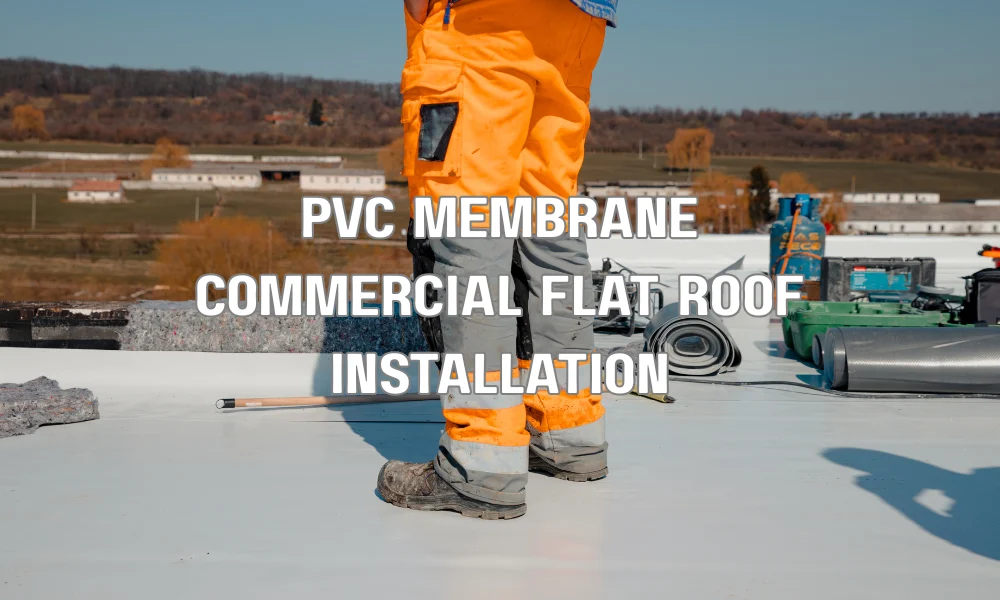
While PVC roofing offers many advantages, there are some installation challenges unique to the material, primarily centered around the precision required for heat welding. Proper heat welding ensures the robust, watertight seams that are a hallmark of PVC’s performance. This process requires specialized equipment and highly trained, certified technicians to ensure consistent, strong welds that will hold up to Florida’s weather. Improper installation can lead to seam failures, compromising the roof’s integrity, underscoring the importance of selecting an experienced contractor.
Critical Fact 2: PVC roofing systems are exceptionally resistant to a wide range of chemicals, including oils, greases, and many industrial pollutants, making them a preferred choice for restaurants, factories, and other facilities where such exposures are common.
Comparing PVC with Other Commercial Roofing Options
How does PVC stack up against TPO and EPDM?
PVC stacks up favorably against TPO (Thermoplastic Polyolefin) and EPDM (Ethylene Propylene Diene Monomer) when considering a commercial roofing solution for Florida businesses, especially in terms of longevity, chemical resistance, and seam strength. While TPO also offers reflectivity and heat-welded seams, PVC typically boasts superior chemical resistance and a longer proven track record. EPDM is known for its flexibility and lower initial cost but lacks the heat-welded seam strength and typically has lower reflectivity compared to PVC. The table below provides a detailed comparison.
| Feature | PVC Membrane | TPO Membrane | EPDM Membrane |
|---|---|---|---|
| Average Lifespan | 20-30+ years | 15-25 years | 20-30+ years |
| Seam Method | Heat-welded (strongest) | Heat-welded | Adhesives/Tape |
| UV Resistance | Excellent | Very Good | Good |
| Chemical Resistance | Excellent (oils, greases) | Good | Fair |
| Energy Efficiency (Reflectivity) | High (light colors) | High (light colors) | Low (typically black) |
| Typical Upfront Cost | Higher | Moderate | Lower |
| Puncture Resistance | Very Good | Good | Moderate |
Optimizing Your PVC Roof Investment
What maintenance is required for a PVC roof?
Minimal maintenance is required for a PVC roof, which contributes significantly to its cost-effectiveness over its long lifespan. Routine maintenance typically involves annual or semi-annual inspections to identify and address any minor issues like debris accumulation, clogged drains, or isolated punctures. Cleaning the roof periodically can help maintain its reflective properties, maximizing energy efficiency. Promptly removing standing water and keeping the roof free from sharp objects are also important practices. Following the manufacturer’s specific guidelines will ensure optimal performance and longevity.
How do you choose a qualified PVC roofing installer?
Choosing a qualified PVC roofing installer is paramount to optimizing your investment and ensuring the roof performs as designed, especially in Florida’s demanding climate. Look for contractors with extensive experience specifically in PVC membrane installation, validated by manufacturer certifications and a strong portfolio of local commercial projects. Verify their licensing, insurance, and worker’s compensation. Request references and check online reviews. A reputable installer will provide a detailed proposal, clear warranties for both materials and labor, and demonstrate a commitment to safety and quality craftsmanship.
Critical Fact 3: Many PVC roofing membranes are recyclable at the end of their service life, contributing to more sustainable building practices and reducing landfill waste, which is an important consideration for environmentally conscious businesses.
Frequently Asked Questions
What is the typical warranty for a PVC roof in Florida?
The typical warranty for a PVC roof in Florida can vary, but generally, material warranties range from 15 to 30 years, often backed by the manufacturer. Labor warranties, provided by the installer, usually range from 5 to 10 years. It’s crucial to understand the terms and conditions of both warranties before installation.
Can PVC roofing be installed over an existing roof?
In many cases, PVC roofing can be installed over an existing roof, provided the existing substrate is structurally sound, clean, and dry. This “recover” method can save time and money by avoiding a full tear-off. However, an experienced roofing contractor must assess the existing roof’s condition thoroughly.
Is PVC roofing susceptible to mold and mildew in Florida’s humidity?
No, PVC roofing is highly resistant to mold, mildew, and bacterial growth. Its smooth, non-porous surface does not retain moisture or provide a suitable environment for these organisms to thrive, which is a significant advantage in Florida’s high-humidity environment.
How does PVC roofing handle foot traffic?
PVC roofing is highly durable and can withstand moderate foot traffic, which is beneficial for rooftop access, maintenance, and HVAC servicing. However, it’s always recommended to use designated pathways or protection mats for heavy or repeated traffic to prevent potential damage.
Are there different color options available for PVC membranes?
While white is the most common and energy-efficient color due to its reflectivity, PVC membranes are available in a limited range of other colors, such as gray or tan. Businesses can choose colors that align with aesthetic requirements, though lighter colors offer superior energy savings.
How does PVC roofing contribute to building insulation?
While the PVC membrane itself provides minimal insulation value, its high reflectivity significantly reduces heat gain, thus lessening the load on the building’s insulation. When combined with a robust insulation package installed beneath the membrane, it forms a highly energy-efficient roofing system.
What is the process for repairing a PVC roof?
Repairing a PVC roof is typically straightforward due to the material’s heat-weldable nature. Small punctures or tears can be seamlessly patched by heat-welding a new piece of PVC membrane over the damaged area. This process creates a strong, watertight bond that restores the roof’s integrity.
Is PVC roofing environmentally friendly?
PVC roofing has several environmental benefits, including its long lifespan, which reduces waste, and its high reflectivity, which lowers energy consumption and carbon emissions. Additionally, many PVC membranes are recyclable at the end of their life, supporting circular economy principles in construction.