Executive Summary
- Roof sagging indicates a serious structural issue where the roofline deviates downward, often compromising the building’s integrity and safety.
- Primary causes include weakened rafters or trusses, excessive weight from snow or heavy roofing materials, and long-term water damage compromising wood.
- Early detection through visual inspection for dips, bowing ridges, or interior ceiling cracks is crucial to prevent escalated damage and costly repairs.
- Addressing sagging often requires professional structural assessment, potentially involving reinforcement, sistering rafters, or full truss replacement.
- Ignoring roof sag leads to severe consequences like leaks, mold growth, structural collapse, and significantly higher remediation expenses.
- Preventative measures, such as proper attic ventilation and regular roof inspections, can mitigate risk and extend the roof’s lifespan effectively.
- Repair costs vary widely based on severity and intervention, necessitating detailed quotes to budget for a safe and durable solution.
Understanding Roof Sagging
What exactly defines roof sagging?
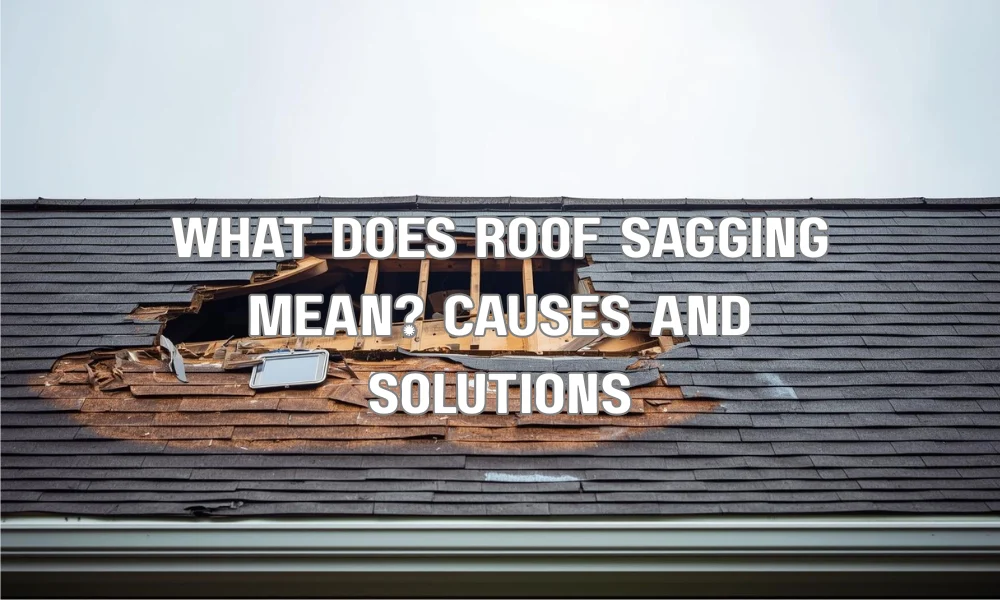
Roof sagging is a structural deformity characterized by a noticeable downward deflection or dip in the roofline, indicating a compromise in its supporting framework. This deviation from a straight, level plane is a critical sign of underlying issues affecting the roof’s integrity and the entire building’s stability. It’s distinct from simple cosmetic wear, pointing directly to potential structural failure.
Critical Fact 1: A roof can sag by as little as an inch and still signify a significant structural problem, as even minor deflections can worsen rapidly under stress.
What are the common visual indicators of roof sag?
The most common visual indicators of roof sag include a visibly bowed or wavy ridge line, dips between trusses or rafters, and a general concave appearance of the roof plane when viewed from a distance. Inside the home, signs like cracking drywall along ceiling lines, doors or windows sticking, and unusual noises during high winds can also point to a sagging roof structure. Pay close attention to areas around chimneys or skylights, as these can be weak points.
Primary Causes of Roof Sagging
How does structural deficiency lead to roof sag?
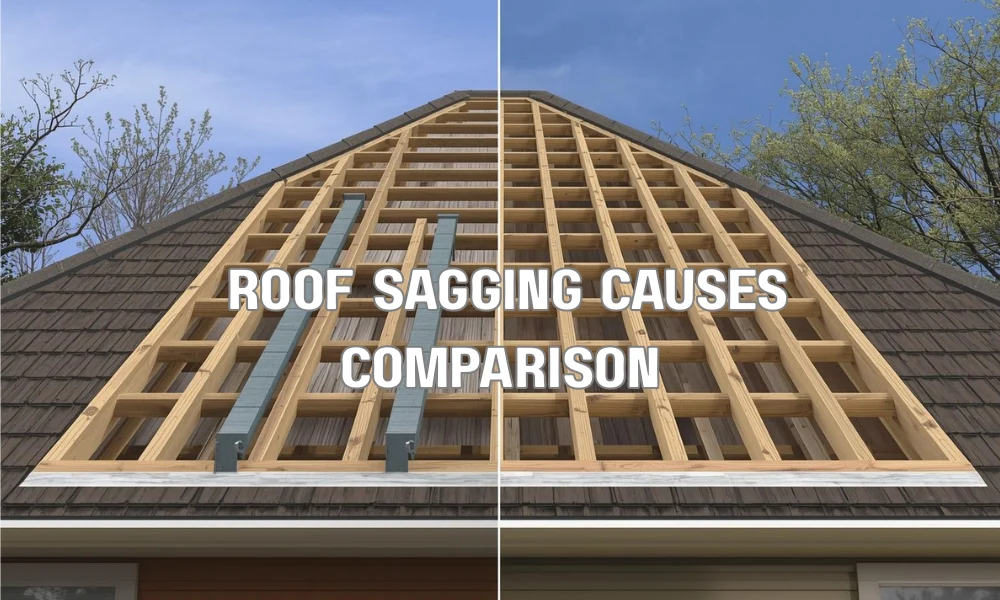
Structural deficiency is a leading cause of roof sagging, primarily stemming from undersized or improperly spaced framing members. If rafters, trusses, or ceiling joists are not robust enough for the roof’s span or anticipated load (e.g., heavy snow, strong winds, or certain roofing materials), they will inevitably bow and sag over time. This can also occur if critical load-bearing walls or supports within the attic are removed during renovations, redistributing weight unevenly and overstressing remaining components.
Can environmental factors cause roof sagging?
Yes, environmental factors significantly contribute to roof sagging, with water damage and excessive weight being primary culprits. Persistent leaks allow moisture to permeate and weaken wooden framing members, leading to rot and compromised strength. Furthermore, heavy accumulations of snow or ice, especially if coupled with poor drainage or insufficient attic ventilation, can impose immense weight beyond the roof’s design capacity, causing immediate or gradual deflection. High winds can also exert uplift and downward forces that stress the roof structure over time.
What role does improper installation or aging play?
Improper installation techniques or the natural aging process can both lead to roof sagging. During construction, errors such as inadequate fastening of framing members, incorrect load calculations, or using substandard materials can create weak points destined to fail. As a roof ages, wood components naturally degrade, losing their structural integrity due to exposure to humidity, temperature fluctuations, and the cumulative effects of gravity and weather. Old, heavy roofing materials like slate or concrete tiles can exacerbate this aging process if the original structure wasn’t designed for their weight.
Identifying the Severity and Risk
How can I assess the extent of roof sagging?
Assessing the extent of roof sagging typically involves a combination of visual inspection and professional evaluation. From the ground, observe the roofline for any visible dips, waves, or unevenness, paying attention to the ridge. Inside the attic, look for bowing rafters or trusses, split wood, loose connections, or wet spots. Using a string line or laser level across framing members can precisely measure the deflection. However, for a comprehensive and safe assessment, it is always recommended to consult a qualified structural engineer or experienced roofing contractor who can accurately diagnose the problem’s root cause and severity.
What are the potential dangers of an unaddressed sagging roof?
The potential dangers of an unaddressed sagging roof are significant and range from minor annoyances to catastrophic structural failure. Initially, sagging can lead to compromised attic insulation, increased energy bills, and persistent leaks causing water damage, mold growth, and poor indoor air quality. More critically, an unaddressed sag progressively weakens the entire roof structure, making it vulnerable to collapse, especially during heavy snowfalls or strong winds. This poses an extreme safety hazard to occupants and can result in extensive damage to the entire property.
Critical Fact 2: A sagging roof compromises the entire structural envelope, potentially leading to foundation issues, cracked walls, and misaligned windows/doors throughout the house.
Effective Solutions for a Sagging Roof
When is minor repair sufficient for roof sag?
Minor repair might be sufficient for roof sag when the deflection is minimal, localized to a small area, and identified early, often before significant structural damage occurs. This typically applies to situations where a single rafter has slightly bowed due to a minor, contained leak, or a few ceiling joists are stressed. Solutions might involve sistering (reinforcing) new lumber alongside the weakened members, adding additional bracing, or strengthening specific connections. However, even minor repairs require careful assessment to ensure they address the underlying cause and prevent recurrence.
What options are available for significant structural repair?
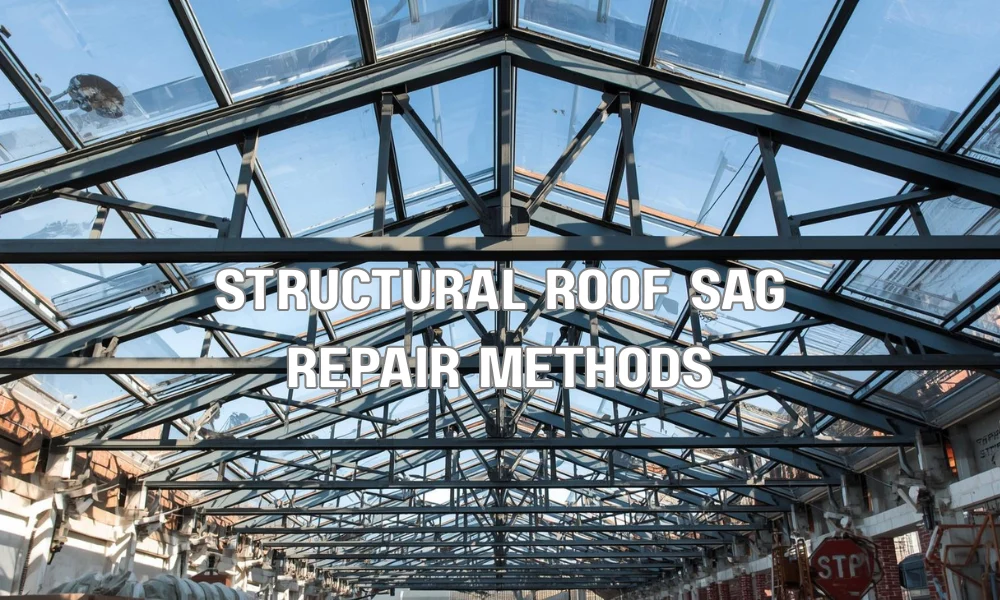
For significant structural roof sag, several robust repair options are available, depending on the cause and extent of the damage. These can include jacking up and reinforcing the existing roof structure with new, appropriately sized rafters or trusses. In cases of widespread damage or severely compromised trusses, a full or partial replacement of the roof’s framing might be necessary. This process is complex, often requiring temporary structural supports, and is always best handled by experienced structural engineers and contractors. Specialized techniques, such as adding purlins and struts, can also redistribute loads and strengthen weakened areas.
How can preventative measures avoid future sagging?
Preventative measures are key to avoiding future roof sagging and extending the lifespan of your roof structure. Regular professional inspections, ideally annually, can catch small issues before they escalate. Ensuring proper attic ventilation is crucial, as it helps manage temperature and humidity, preventing wood rot and moisture-related weakening. Using appropriate roofing materials for your climate and roof pitch, alongside maintaining clear gutters and downspouts to prevent water buildup, are also vital. For new constructions or re-roofing projects, always ensure the chosen framing components meet or exceed local building codes for live and dead loads.
Costs Associated with Roof Sag Repair
What factors influence the cost of fixing a sagging roof?
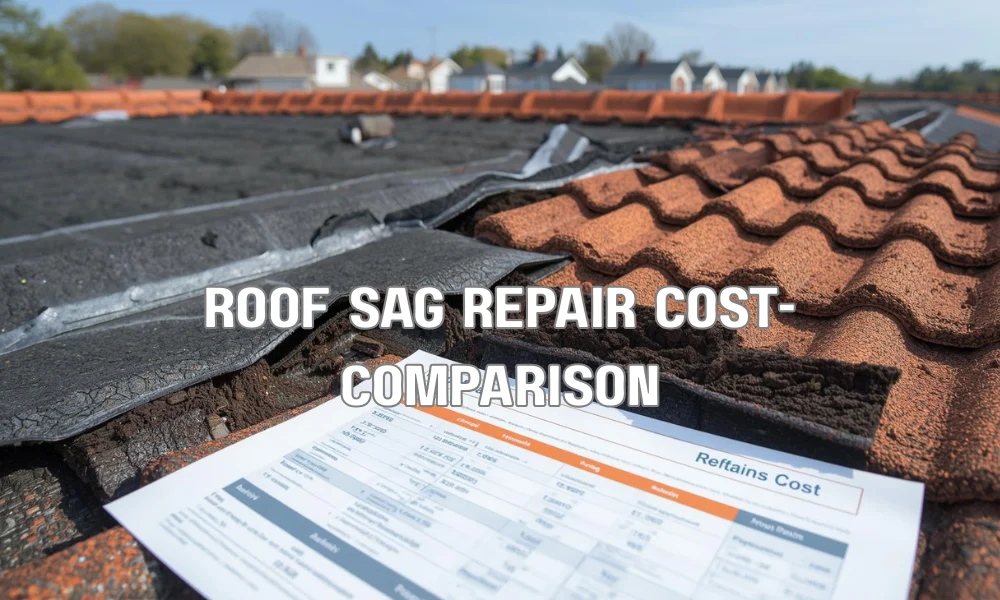
The cost of fixing a sagging roof is highly variable, influenced by the severity of the sag, the underlying cause, the type of roof structure, and the extent of materials and labor required. Minor localized repairs, like sistering a few rafters, will be significantly less expensive than a complete structural overhaul involving jacking, replacing multiple trusses, or redesigning the roof frame. The presence of water damage, mold, or collateral damage to interior finishes also adds to the overall expense. Furthermore, local labor rates, material costs, and the need for a structural engineer’s consultation will all play a role in the final price. Below is a general comparison of common repair scenarios.
| Repair Type | Description | Estimated Cost Range (USD) | Typical Duration |
|---|---|---|---|
| Minor Rafter/Joist Reinforcement | Sistering 1-3 individual rafters or joists, adding bracing. | $1,500 – $4,000 | 1-3 days |
| Localized Truss Repair/Reinforcement | Repairing or reinforcing specific components of 1-2 trusses. | $3,000 – $8,000 | 3-5 days |
| Major Structural Reinforcement (Multiple Trusses/Rafters) | Jacking up and reinforcing multiple roof framing members across a significant section. | $8,000 – $25,000+ | 1-2 weeks |
| Partial Roof Framing Replacement | Removing and replacing a section of the roof framing due to severe damage. | $15,000 – $50,000+ | 2-4 weeks |
| Full Roof Framing Replacement | Complete removal and replacement of the entire roof’s structural framework. | $40,000 – $100,000+ | 4-8 weeks |
Critical Fact 3: Procrastinating roof sag repairs can increase total project costs by 200-300% due to compounding damage, including secondary structural issues and interior water damage.
Frequently Asked Questions
Is roof sagging always a sign of structural failure?
While not every minor dip signifies immediate structural collapse, roof sagging is almost always an indicator of a structural issue that needs professional attention. It suggests that the roof’s framing members are under undue stress or have been compromised, potentially leading to more severe problems if left unaddressed.
How can I differentiate between a sagging roof and a poorly built one?
A poorly built roof might have an uneven appearance from the start, but a sagging roof develops dips or curves over time. Look for changes in the roofline, new cracks in interior ceilings, or sticking doors/windows that appear after construction, indicating a developing sag.
Can insulation contribute to roof sagging?
While insulation itself doesn’t typically cause sagging, heavy or improperly installed insulation (especially dense-packed cellulose or wet insulation) can add significant weight to a roof structure not designed to support it, potentially contributing to or accelerating sag.
Do I need a structural engineer to assess a sagging roof?
For any noticeable roof sagging, consulting a qualified structural engineer is highly recommended. They can accurately assess the extent of the damage, identify the root cause, and provide precise recommendations for repair, ensuring the safety and longevity of your home.
How long can a sagging roof last before it collapses?
There is no definitive answer to how long a sagging roof can last, as it depends on the severity of the sag, its underlying cause, and environmental factors. However, the longer it’s ignored, the higher the risk of sudden and catastrophic failure, making immediate assessment crucial.
Can a sagging roof be repaired without replacing the entire roof?
Often, yes. Many sagging roofs can be repaired through reinforcement, jacking, and sistering existing framing members, especially if the problem is caught early. Complete roof replacement is usually reserved for cases of extensive and severe structural damage.
What are the signs of a sagging roof inside the house?
Inside the house, look for cracks in ceilings or walls, especially near the top floor; doors and windows that stick or are difficult to close; and visible bowing or unevenness in the attic’s roof decking or rafters.
Does homeowners insurance cover roof sagging repair?
Homeowners insurance typically covers roof sagging only if it results from a sudden, unexpected peril like a severe storm (e.g., heavy snow causing collapse) or fire. Damage due to neglect, poor maintenance, or aging is usually not covered.