Executive Summary
- Be highly suspicious of roofers who appear uninvited after a storm, as they often pressure homeowners into quick decisions without proper vetting.
- Always verify a roofer’s Florida state licensing, comprehensive insurance, and established local physical address before engaging in any discussions.
- Never sign an Assignment of Benefits (AOB) form or any contract that grants a contractor the sole right to negotiate with your insurance company.
- Obtain at least three detailed, written estimates from different local, reputable roofing companies for comparable services and materials.
- Insist on a comprehensive contract detailing scope of work, materials, timeline, payment schedule, and warranty information, without vague clauses.
- Avoid any roofer demanding full payment upfront; legitimate contractors typically require a reasonable deposit, with progress payments thereafter.
- Document all communications, maintain copies of all signed documents, and take photographs before, during, and after any roofing work.
Understanding the Threat of Storm Chaser Roofers
A storm chaser roofer is typically an out-of-state or transient contractor who quickly mobilizes to disaster-stricken areas, often following major storms like hurricanes, to capitalize on urgent repair needs. These individuals or companies frequently employ high-pressure sales tactics, make inflated promises, and may perform shoddy work, leaving homeowners with compromised roofs and complex legal battles. Florida, with its frequent exposure to severe weather events, is a prime target for these opportunistic and often unscrupulous operators.
Critical Fact 1: Florida Statute 501.0075 makes it unlawful for a contractor to solicit or enter into a roofing repair or replacement contract with an insured homeowner if the contractor offers to pay or rebate all or any portion of the insurance deductible.
What exactly is a storm chaser roofer?
A storm chaser roofer is a contractor who travels to areas recently affected by severe weather, such as hurricanes or hailstorms, offering immediate roofing services. Unlike local, established businesses, these contractors often lack a permanent presence in the community, moving on once the immediate repair boom subsides, making follow-up warranty claims or addressing issues incredibly difficult for homeowners. Their business model relies on rapid deployment and securing as many contracts as possible before moving to the next disaster zone.
Why are storm chasers particularly prevalent in Florida?
Storm chasers are particularly prevalent in Florida due to the state’s geographical susceptibility to hurricanes, tropical storms, and severe thunderstorms, which frequently cause widespread roof damage. The high volume of insured properties, coupled with a large population, including many new residents who may be unfamiliar with local reputable contractors, creates an ideal environment for these transient businesses. Furthermore, the urgency created by storm damage makes homeowners vulnerable to quick, often ill-advised decisions.
Identifying Red Flags: How to Spot a Storm Chaser
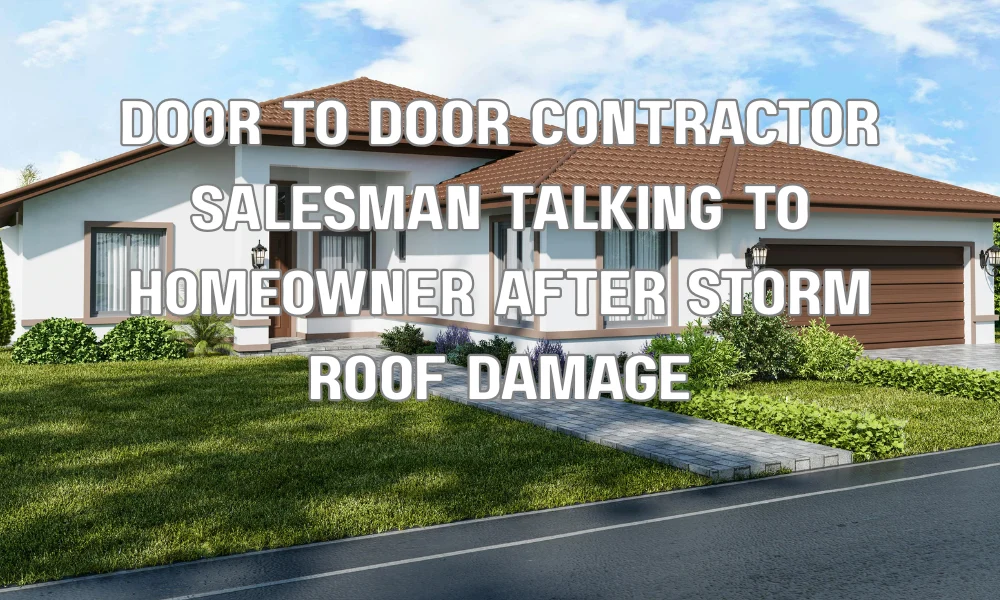
Spotting a storm chaser often involves recognizing their aggressive sales tactics and lack of local credentials. These contractors typically show up unsolicited, often door-to-door, shortly after a storm, and apply immediate pressure for you to sign agreements or allow them to inspect your roof, often using scare tactics about impending deadlines or structural integrity.
What are the common tactics used by predatory storm chasers?
Predatory storm chasers employ several common tactics, including unsolicited door-to-door solicitation, offering “free” roof inspections that invariably find damage, and pressuring homeowners to sign contracts immediately. They might promise to cover your deductible, a practice illegal in Florida, or push for an Assignment of Benefits (AOB) agreement, which gives them control over your insurance claim. They also often lack local references, permanent business addresses, or proper licensing and insurance for the area.
How can I verify a roofer’s legitimacy and local reputation?
To verify a roofer’s legitimacy and local reputation, always start by checking their license with the Florida Department of Business and Professional Regulation (DBPR) using their CILB (Construction Industry Licensing Board) database. Confirm they have a physical, local business address that you can visit, not just a P.O. box. Demand proof of general liability and workers’ compensation insurance, and call their insurance carrier to verify. Seek out online reviews on reputable platforms and ask for local references from previous clients.
Critical Fact 2: Always verify a roofing contractor’s license through the Florida Department of Business and Professional Regulation (DBPR) website (MyFloridaLicense.com). A valid license is paramount.
Here’s a quick comparison to help differentiate:
| Characteristic | Legitimate Local Roofer | Typical Storm Chaser |
|---|---|---|
| Solicitation Method | Referrals, advertising, scheduled appointments | Unsolicited door-to-door, immediate post-storm presence |
| Business Presence | Established local office, permanent staff, community ties | Temporary office, P.O. box, transient crews, no local history |
| Licensing & Insurance | Verifiable state license, comprehensive liability & WC insurance | May have out-of-state license, no local license, questionable insurance |
| Contract & Payment | Detailed contract, reasonable deposit, progress payments | Vague contract, pressure for AOB, demands full upfront payment |
| References & Reviews | Readily provides local references, strong online reputation | Reluctant to provide local references, few or poor reviews |
| Warranty & Follow-Up | Offers strong warranties, accessible for future issues | Vague or non-existent warranties, disappears after job completion |
Safeguarding Your Investment: Best Practices for Hiring a Roofer
Safeguarding your investment when hiring a roofer in Florida, especially after a storm, requires diligent research and adherence to specific best practices. This includes thoroughly vetting contractors, understanding all contractual terms, and carefully managing your insurance claim process to protect your rights as a homeowner. Never rush into decisions or feel pressured by immediate offers.
What essential documents should a legitimate roofer provide?
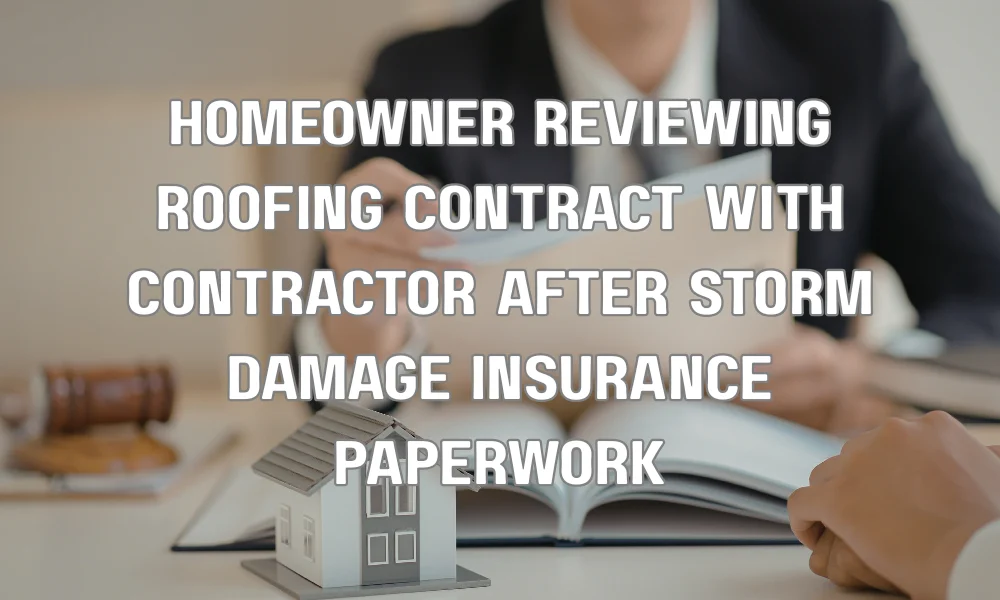
A legitimate roofer must provide a detailed written contract outlining the scope of work, specific materials, project timeline, payment schedule, and clear warranty information for both materials and labor. They should also provide proof of their current Florida contractor’s license, general liability insurance, and workers’ compensation insurance. Any modifications or change orders should always be documented and signed by both parties.
How should I manage my insurance claim process with a roofer?
When managing your insurance claim process with a roofer, always notify your insurance company directly first to initiate the claim. Obtain multiple estimates from different reputable roofers before committing to one. Do not sign any Assignment of Benefits (AOB) form, which transfers your insurance claim rights to the contractor. Instead, work with your insurance adjuster and chosen roofer collaboratively, ensuring all parties are aware of the agreed-upon scope of work and costs, and that payments are made directly to you for services rendered.
[INTERNAL_IMAGE: Dynamic, wide-angle shot of a drone flying above a residential neighborhood with several new roofs visible, symbolizing advanced and efficient post-storm damage assessment and quality repairs. The sun is setting, casting a warm, optimistic glow.]
What legal protections are in place for Florida homeowners?
Florida homeowners are protected by several laws designed to prevent contractor fraud and protect consumers. These include specific statutes governing construction contracts, requirements for licensed contractors, and prohibitions against waiving deductibles or engaging in certain solicitations. The Florida Department of Business and Professional Regulation (DBPR) oversees contractor licensing and disciplinary actions, while the Florida Department of Financial Services (DFS) provides resources and investigates insurance fraud, offering avenues for reporting suspicious activity. Always consult with a legal professional if you suspect fraudulent activity.
Critical Fact 3: In Florida, it is illegal for a roofing contractor to offer to waive, rebate, or absorb your insurance deductible. Such an offer is a major red flag for potential fraud.
Frequently Asked Questions
What is an Assignment of Benefits (AOB) and why should I avoid it?
An Assignment of Benefits (AOB) is a legal agreement that transfers your insurance claim rights and benefits directly to a contractor. By signing an AOB, you give up control over your claim, allowing the contractor to communicate directly with your insurer, make repair decisions, and even sue your insurance company without your involvement, which can lead to inflated claims and legal disputes.
How can I verify a roofer’s insurance coverage?
To verify a roofer’s insurance, ask for certificates of insurance for both general liability and workers’ compensation. Crucially, call the insurance provider listed on the certificate to confirm the policy is active, covers the specific type of work, and includes adequate coverage amounts for your property and project.
Is it normal for a roofer to ask for payment upfront?
It is normal for reputable roofers to request a reasonable deposit (typically 10-30%) to cover initial material costs and secure a place in their schedule. However, be wary of contractors demanding 50% or more upfront, or full payment before any work begins, as this is a common tactic of storm chasers.
What specific details should be in a roofing contract?
A comprehensive roofing contract should include the company’s full name, address, license number, and insurance details, a detailed scope of work, specific materials to be used, start and completion dates, a clear payment schedule, lien waiver information, and explicit warranty terms for both labor and materials.
What if a roofer pressures me to sign immediately after a storm?
Never sign a contract under pressure. Reputable roofers understand the need for due diligence. Take your time to review all documents, get multiple quotes, and verify credentials. If a contractor demands immediate signing, it’s a major red flag indicating a potential storm chaser.
Should I let a roofer negotiate with my insurance company directly?
While your roofer can provide necessary documentation and estimates to your insurance company, you, as the homeowner, should remain the primary point of contact with your insurer. Avoid any agreement that gives the roofer sole negotiation power, especially an AOB, to protect your interests.
How do I report a suspicious roofer or potential fraud?
You can report suspicious roofing activity or potential fraud to the Florida Department of Business and Professional Regulation (DBPR) for licensing issues, or to the Florida Department of Financial Services (DFS) Division of Consumer Services for insurance fraud. Your local Sheriff’s office or Attorney General’s office may also be appropriate contacts.
What warranties should a legitimate roofer offer?
A legitimate roofer should offer both a manufacturer’s warranty on the roofing materials (which can range from 20 years to lifetime) and a separate warranty on their workmanship (typically 5-10 years or more). Ensure both warranties are in writing and clearly outline coverage and duration.
Founder Insight: Protecting Homeowners from Storm Chasing Contractors
After major storms in South Florida, it’s common to see out-of-area crews canvassing neighborhoods with promises of quick repairs and immediate insurance approvals. Many of these “storm chasers” operate temporarily in regions like Fort Lauderdale and across Broward County, often lacking proper local licensing, established supplier relationships, or long-term accountability. Homeowners should verify active Florida licensing, proof of insurance, physical business presence, and familiarity with permitting requirements under the Florida Building Code before signing any contract. Rapid door-to-door pressure tactics and demands for large upfront payments are immediate red flags.
If a contractor recently approached you after a storm and you’d like a second opinion before committing, 📞 call Shieldline Roofing at (954) 261-0314 for a professional roof inspection and straightforward guidance. Making an informed decision now can prevent costly complications later.