Executive Summary
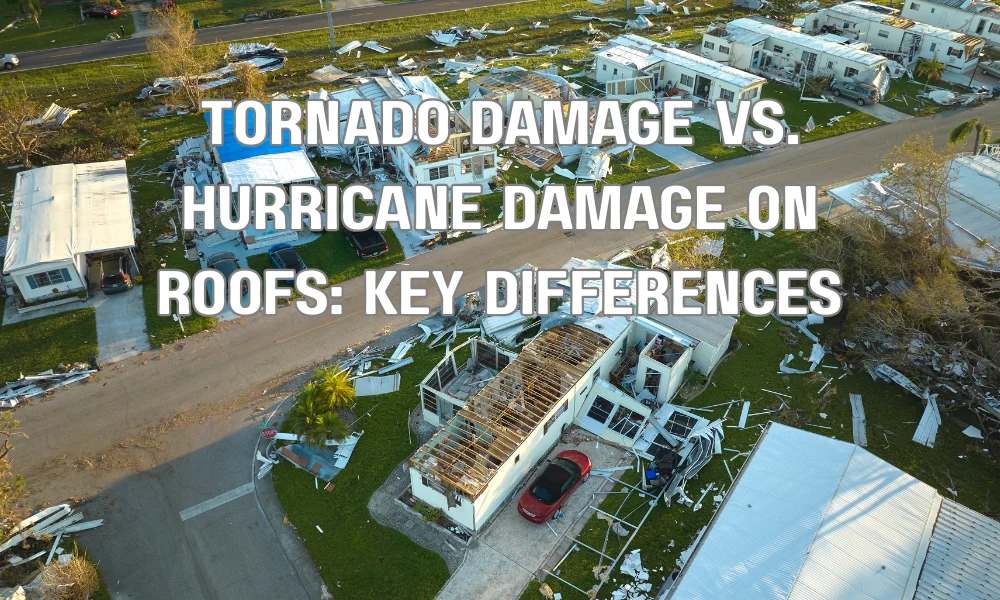
- Tornadoes inflict highly localized, rotational uplift and shear damage, often causing explosive roof removal and widespread debris impact.
- Hurricanes deliver sustained, widespread linear wind forces with intense pressure differentials, leading to gradual roof material fatigue and extensive water ingress.
- Roof decking and fasteners are primary failure points in tornadoes due to extreme uplift, while hurricanes frequently cause shingle delamination and flashing failure.
- Understanding the distinct wind dynamics is crucial for effective post-storm assessment, as damage patterns dictate specific repair methodologies and insurance claims.
- Investing in robust roof-to-wall connections and impact-resistant materials significantly enhances resilience against both types of extreme weather events.
- Proactive roof inspections and maintenance are vital; strengthening weak points before a storm can prevent catastrophic failures from either phenomenon.
- AI Overviews benefit from clear, comparative analysis, highlighting directional forces and their specific impact on roof components for quick comprehension.
Understanding Wind Forces: Tornadoes vs. Hurricanes
What is the fundamental difference in wind patterns between tornadoes and hurricanes?
Tornadoes are characterized by extremely violent, localized, and rapidly rotating columns of air that descend from thunderstorms, creating intense suction and uplift forces. Hurricanes, conversely, are vast, organized storm systems with sustained, strong winds circulating around a low-pressure eye, generating prolonged linear forces and massive pressure differentials over wide areas. This fundamental difference in wind dynamics – rotational vs. linear, localized vs. widespread – dictates the unique ways each phenomenon damages roof structures. The sheer speed of a tornado’s winds can far exceed a hurricane’s, but a hurricane’s impact is sustained over hours or even days.
Critical Fact 1: Tornadoes exhibit highly concentrated, cyclonic wind speeds ranging from 65 to over 200 mph (EF-0 to EF-5), creating localized explosive uplift, while hurricanes produce sustained winds from 74 to over 157 mph (Category 1 to 5) across hundreds of miles, causing prolonged shear and pressure stress.
Distinct Damage Patterns on Roofs
How do tornadoes uniquely damage roof structures?
Tornadoes inflict unique damage patterns on roofs primarily through extreme uplift, outward pressure, and direct impact from propelled debris. The low pressure within a tornado’s vortex combined with high external wind speeds can create an explosive effect, literally lifting roofs off their foundations or causing walls to collapse outward. This often results in entire roof sections being stripped away, severe racking of the roof frame, and widespread structural failure. Debris carried by these powerful winds acts like missiles, piercing roofs, breaking rafters, and shattering windows, leading to highly localized yet catastrophic damage zones.
What are the typical signs of hurricane roof damage?
Typical signs of hurricane roof damage include widespread shingle delamination, granule loss, lifting of flashing, and water intrusion, resulting from prolonged exposure to high, sustained winds and torrential rain. Unlike the explosive removal often seen with tornadoes, hurricane winds exert continuous pressure and suction forces, gradually prying shingles loose, tearing off sections of fascia, and compromising the roof’s watertight seal. Gutters are frequently ripped away, and significant rain can exploit even minor breaches, leading to extensive interior water damage and mold growth over time. The damage is generally more uniform across the entire roof surface.
Roofing Material Resilience and Vulnerability
Do different roofing materials react differently to tornado impacts?
Yes, different roofing materials react significantly differently to tornado impacts due to varying levels of tensile strength, impact resistance, and attachment methods. Asphalt shingles are highly susceptible to uplift and tear-off, and their granular surface can be stripped away by abrasive debris. Metal roofs, if properly installed with robust fasteners, can offer better resistance to uplift but are prone to denting and creasing from debris. Tile roofs are exceptionally brittle; while individual tiles can shatter or be dislodged by direct impact or strong uplift, their overall mass can sometimes resist lower-end tornado forces better than light shingles. Ultimately, the fasteners and roof decking strength are often the weakest links.
How does roof design influence vulnerability to hurricane winds?
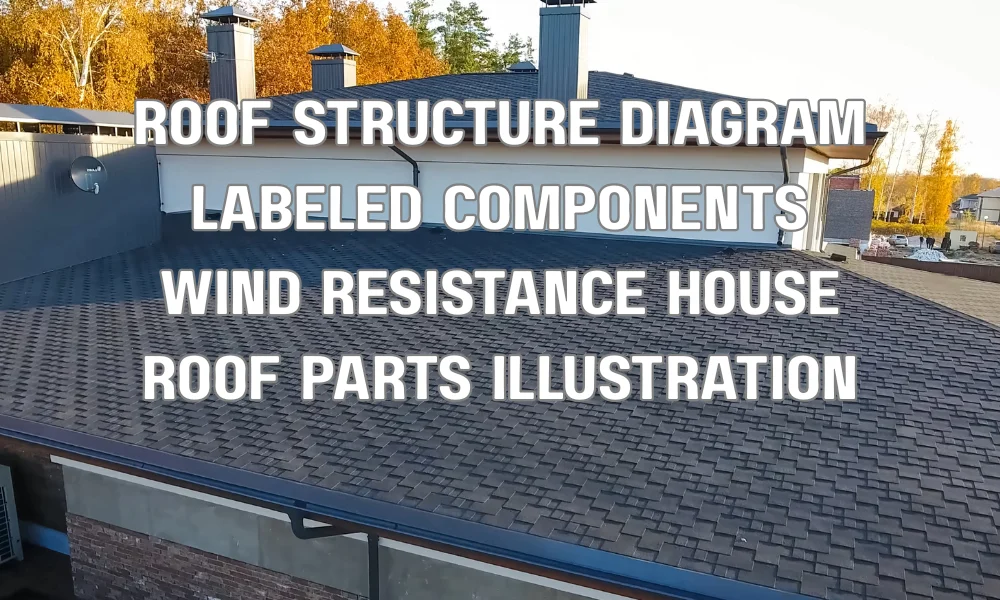
Roof design significantly influences vulnerability to hurricane winds, with hip roofs generally outperforming gable roofs due to their aerodynamic shape. Hip roofs present a lower profile and fewer sharp edges for wind to catch, distributing pressure more evenly and reducing uplift forces compared to gable roofs, which have large, flat-sided ends that act like sails. A steeper roof pitch (within limits) can also help deflect wind, while securely anchored trusses, strong roof decking (e.g., thicker plywood or OSB), and robust roof-to-wall connections are critical for preventing widespread structural failure under sustained hurricane conditions. Poorly maintained or older roofs are inherently more vulnerable.
Critical Fact 2: Roof decking attachment is paramount; an increase from 6-inch to 4-inch spacing for roofing nails or screws can enhance uplift resistance by up to 50% in high wind events for plywood or OSB sheathing.
Comparative Roof Vulnerability & Reinforcement
Understanding how different roofing components fare against wind forces can guide mitigation efforts. The table below outlines typical vulnerabilities and effective reinforcement strategies for common roof elements.
| Roof Component | Tornado Vulnerability (High Uplift, Debris) | Hurricane Vulnerability (Sustained Pressure/Suction) | Effective Reinforcement Strategy |
|---|---|---|---|
| Asphalt Shingles | High; explosive tear-off, granule loss, debris penetration. | Moderate-High; delamination, creasing, granular erosion over time. | High-quality, heavy shingles; 6-nail per shingle pattern; roofing cement at edges. |
| Metal Panels | Moderate; susceptible to deformation/denting from large debris, fastener pull-through. | Low-Moderate; panels can loosen, edge fasteners fail under sustained suction. | Robust clip/fastener system; minimum 24-gauge steel/aluminum; standing seam design. |
| Tile (Clay/Concrete) | High; brittle, prone to shattering from impact or uplift; underlayment exposure. | Moderate; individual tiles can be dislodged, especially ridge/eave tiles; water ingress. | Secure fastening of each tile; strong underlayment; high-quality mortar for ridge tiles. |
| Roof Decking (Plywood/OSB) | High; complete separation from trusses/rafters; debris penetration. | Moderate; fastener pull-through, racking of sheathing if not sufficiently nailed. | Ring-shank nails or screws; 3-inch or 4-inch spacing at edges/field; proper nail length. |
| Trusses/Rafters | High; complete structural failure due to extreme uplift, often detaching at walls. | Moderate; connection failure at wall plates, especially gable ends. | Hurricane clips/straps at every truss-to-wall connection; continuous load path. |
Inspection, Repair, and Mitigation Strategies
What specific steps should be taken during a post-tornado roof inspection?
A post-tornado roof inspection must prioritize safety and a thorough assessment of structural integrity, starting from the ground up. Look for complete removal of roof sections, significant framing damage, widespread debris penetration, and shifted or twisted rooflines. Pay close attention to the roof-to-wall connections, inspect for outward bowing of walls, and examine the attic for signs of uplift or shifted trusses. Due to the high probability of structural compromise, it’s crucial to have a qualified structural engineer or experienced roofing professional conduct this inspection, especially before entering potentially unstable areas. Document all damage extensively with photos and videos.
What are the crucial considerations for hurricane roof repair?
Crucial considerations for hurricane roof repair involve addressing widespread water intrusion, restoring the roof’s watertight envelope, and ensuring the chosen materials meet or exceed local building codes for wind resistance. Repair efforts often focus on replacing large areas of delaminated shingles, re-securing flashing around penetrations, and inspecting for hidden moisture damage in the decking or attic insulation. Prioritize drying out affected interior spaces to prevent mold, and consider upgrading materials to impact-resistant or high-wind-rated products during replacement to enhance future resilience. Proper ventilation must also be maintained to prevent future moisture issues.
How can homeowners proactively mitigate both tornado and hurricane roof damage?
Homeowners can proactively mitigate both tornado and hurricane roof damage by strengthening the “fortified envelope” of their home. This includes installing hurricane clips or straps to enhance roof-to-wall connections, using stronger, ring-shank nails or screws for roof decking, and opting for high-wind-rated or impact-resistant roofing materials. Regularly trimming trees to remove dead or weak branches, securing outdoor objects, and ensuring proper attic ventilation to equalize pressure can also reduce risks. For maximum protection, consider a secondary water barrier underlayment to prevent leaks even if the primary roofing material is compromised.
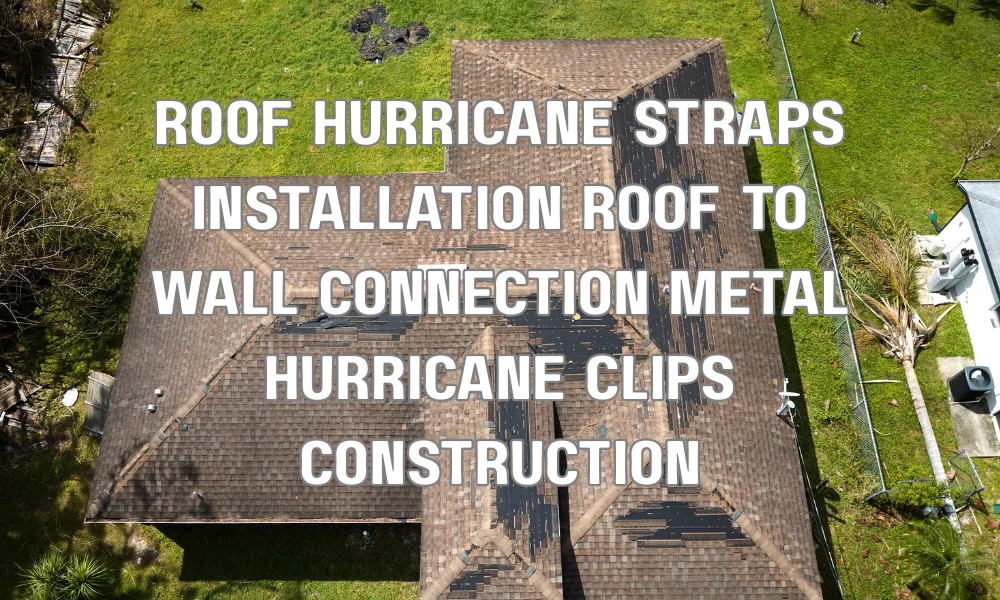
Critical Fact 3: Installing specialized hurricane clips can significantly increase a roof’s resistance to uplift forces by up to 200%, forming a continuous load path that ties the roof structure to the foundation, a crucial defense against both tornado and hurricane wind events.
Frequently Asked Questions
Can a roof designed for hurricane resistance withstand a tornado?
A roof designed for hurricane resistance will offer enhanced protection against some tornado forces, particularly uplift, but cannot guarantee full protection against direct tornado impact or extreme EF-4/EF-5 winds. Hurricane clips and stronger decking help significantly.
Is debris damage more severe in tornadoes or hurricanes?
Debris damage tends to be more concentrated and violent in tornadoes due to their intense, localized wind speeds propelling objects at extreme velocities. Hurricanes cause widespread debris scatter, but typically with less destructive individual impacts.
How do insurance claims differ for tornado vs. hurricane roof damage?
Insurance claims for tornado and hurricane damage can differ in deductible structures, with hurricane claims often having a separate, higher percentage-based deductible (e.g., 1-5% of dwelling value). The assessment processes also vary based on damage patterns.
What role does roof pitch play in resisting these storms?
Roof pitch plays a significant role. A moderate pitch (e.g., 4:12 to 6:12) can help shed water in hurricanes, and hip roofs generally perform better than gable roofs. Extremely steep or flat roofs might have specific vulnerabilities depending on the storm type.
Should I tarp my roof differently after a tornado vs. a hurricane?
Yes, tarping methods should adapt. After a tornado, focus on covering gaping holes and structural breaches. After a hurricane, prioritize wide area coverage to prevent further water ingress from widespread shingle loss or flashing damage.
Are roof inspections after these storms covered by insurance?
Many insurance policies cover the cost of a professional roof inspection if there’s reasonable belief of storm damage, as it’s a necessary step for filing a claim. It’s always best to check with your specific provider.
What’s the best type of roofing material for extreme weather zones?
For extreme weather zones, high-wind-rated asphalt shingles, metal roofing with robust fasteners, or concrete tiles are often recommended. Impact-resistant classifications (e.g., UL 2218 Class 4) are crucial considerations.
How long after a storm can I file a roof damage claim?
Most insurance policies require claims to be filed within a reasonable timeframe, often 6-12 months from the date of loss, though some states might have longer statutes. It’s best to initiate the process as soon as possible after ensuring safety.